So, picture this: you’re sitting there, maybe feeling a bit overwhelmed. Your mind’s racing, and you can’t seem to catch a break. It happens to all of us, right?
That’s where grounding techniques come in. They’re like little anchors in the stormy sea of your thoughts. Seriously! These tricks help bring you back to the present moment. You know, connect with your surroundings and get a grip on what’s happening now.
Mindfulness is all the rage these days, but let’s be real—it can be tough to practice when life gets chaotic. That’s why grounding techniques are super handy. They help you stay mindful without needing a meditation retreat or a fancy yoga class.
So why not explore some ways to ground yourself? Just think of it as having a toolbox for your mental health!
Essential Mindfulness Grounding Techniques: Download Your FREE PDF Guide
When we talk about grounding techniques, we’re diving into some really neat ways to help you stay present and connected to the here and now. Seriously, it’s all about bringing your focus back to what’s happening around you, especially when life feels overwhelming. When you’re feeling anxious or your mind is racing, grounding can pull you back into your body and your environment.
What’s Grounding?
So, grounding is like a mental reset button. It helps you step away from those swirling thoughts or emotions that can make everything feel chaotic. Plus, it can be a total lifesaver when you’re dealing with stress, anxiety, or even just that nagging sense of unease.
Here are some essential mindfulness grounding techniques that can really make a difference:
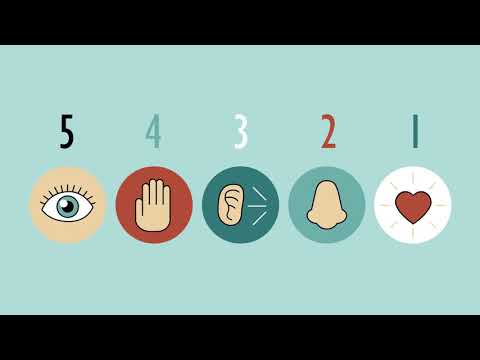
- The 5-4-3-2-1 Technique: This one’s super popular! You just name five things you can see, four things you can touch, three things you can hear, two things you can smell (or like one if that’s easier), and one thing you can taste. It’s kind of like a scavenger hunt for your senses.
- Deep Breathing: Breathing deeply through your nose and out through your mouth helps calm your nervous system. Try counting to four as you inhale, hold for four counts, then exhale for another four counts. If it sounds familiar—that’s because it works!
- Body Scan: Close your eyes and focus on each part of your body from head to toe. Notice how each area feels without trying to change anything. Just notice—like a little checklist for what’s going on in there.
- Nature Connection: If you’re near a park or even just outside for a minute, feel the grass under your feet or the breeze against your face. Nature has this incredible way of helping us reconnect.
Let me share something personal here: I once had this moment where I felt totally lost in my head during a busy day at work. I decided to try the 5-4-3-2-1 technique at my desk, and honestly? It felt like pulling myself out from under a heavy blanket of confusion. Suddenly I could hear the sound of the printer humming away—something I’d tuned out before—and it brought me back to reality like nothing else.
And remember: these techniques take practice! You might not feel an instant shift right away—sometimes it takes time to find out what feels best for you.
The beauty of grounding techniques is that they empower you with tools for those moments when anxiety creeps in or when stress piles up high. So give them a shot next time life gets too noisy—who knows how much they could help?
Enhance Mindfulness with Grounding Techniques: A Key to Mental Health Resilience
Mindfulness is a buzzword that’s been floating around a lot lately, and for good reason. It can seriously help you deal with stress, anxiety, and a whole bunch of other stuff. But sometimes, staying in the present moment can feel tough—like trying to catch smoke with your bare hands. That’s where grounding techniques come in.
Grounding techniques are basically tools you can use to anchor yourself in the here and now. They help take your mind off racing thoughts or overwhelming feelings by focusing on your senses. You know, like what you see, hear, touch, taste, or smell right at that moment? Simple enough, right?
One common technique is the 5-4-3-2-1 method. Here’s how it works:
- See: Look around and find five things you can see. Maybe it’s a plant by the window or the color of your friend’s shirt.
- Touch: Then, find four things you can touch. It could be the texture of your clothes or the cool surface of a table.
- Hear: Next up is three sounds. Could be birds outside or the hum of an air conditioner.
- Smell: Now two smells—maybe coffee brewing or fresh laundry.
- Taste: And finally one thing you can taste; perhaps a sip of water or gum.
There was this one time when I was feeling super anxious before giving a presentation. My mind was going wild—thoughts spinning like crazy! So, I took a minute to focus on these grounding techniques. I spotted my favorite mug (see), felt the smooth wood of my desk (touch), listened for my coworker typing away (hear), caught a whiff of my lavender hand cream (smell), and popped some mint gum in my mouth (taste). Suddenly, it all felt more manageable.
Another great grounding exercise is called «the safe place visualization.» This involves picturing a place where you feel completely relaxed and safe—even if it’s imaginary! Maybe it’s a beach with golden sand and gentle waves lapping at your feet or your cozy childhood bedroom filled with stuffed animals. Close your eyes and really immerse yourself in that scene: what does it look like? What do you hear? How does being there make you feel?
The idea behind grounding techniques is pretty straightforward: they promote mental health resilience. You’re not just surviving tough moments; you’re learning to bounce back from them more easily over time. It’s kind of like building muscle—you’ve gotta work at it regularly to see those gains!
Using these tools consistently can help sharpen your mindfulness skills too. When you’re stuck in your head worrying about tomorrow’s problems or beating yourself up over yesterday’s mistakes, grounding pulls you back into reality—like slapping on a wake-up slap! It helps create space between your thoughts and emotions so they don’t overwhelm you.
Of course, everyone has different techniques that resonate more than others. The key is finding what works for you personally! You might prefer something active like jogging while paying attention to how each step feels rather than sitting still; whatever fits best!
In short—enhancing mindfulness through grounding techniques isn’t just some trendy concept; it’s an accessible way to boost mental wellness while keeping anxiety at bay. Give some methods a try next time life gets hectic—you might realize you’ve got more control than you thought!
Essential Grounding Techniques: Download Your Free PDF Guide for Mental Wellbeing
Grounding techniques are like little life savers when your mind feels like it’s racing or you’re just not feeling centered. They help pull you back into the moment, keeping anxiety and overwhelming feelings in check. They’re pretty simple and can be done anywhere, anytime. Let’s dig into what grounding is all about.
Basically, grounding involves reconnecting to the present moment. When everything feels chaotic—whether you’re having a panic attack or just feeling really anxious—these techniques can help you find your balance again.
Here are some key grounding techniques that might just save the day:
- The 5-4-3-2-1 Technique: This one’s a classic! It encourages you to focus on your senses by naming:
– 5 things you can see,
– 4 things you can touch,
– 3 things you can hear,
– 2 things you can smell,
– and 1 thing you can taste.
This process pulls your attention away from stress and back into reality. - Breathing Exercises: Simple but powerful, right? Try taking deep breaths—inhale for a count of four, hold for four, then exhale for four. Focusing on your breath helps calm down that racing heart.
- Physical Movement: Sometimes, just getting up and moving around helps so much! Shake out your hands or do some stretches. Feel your feet on the ground; it reminds you that you’re here.
- Mindful Observation: Pick an object nearby—a coffee cup, a plant—and observe it closely. Notice its colors, textures, or shapes. This shifts attention away from distressful thoughts.
- Tactile Grounding: Keep something with interesting textures handy—a smooth stone or a piece of fabric—and focus on how it feels in your hands.
And hey, it’s all about finding what works best for *you*. So if one technique doesn’t quite fit, no biggie! Try another until something clicks.
Now picture this: imagine you’re at a busy café full of chatter. You’ve got deadlines looming and suddenly feel overwhelmed. You take a moment to breathe deeply and use the *5-4-3-2-1 Technique*. As you notice each of those five things around you—the green plants in the corner, the person scrolling their phone across the table—you start to feel calmer.
These techniques aren’t just quick fixes; they’re tools for better mental wellbeing over time. It’s about training yourself to recognize those moments of distress before they spiral out of control.
For anyone looking to really dive deeper into these methods or maybe gather them all in one place—a PDF guide could be super helpful! But remember, these principles aren’t set in stone; adjust them as needed so they fit comfortably snug into your life.
In short? Grounding techniques are here to lend support during tough moments by bringing awareness back to where it belongs—right here and now!
Grounding techniques are like those little life hacks for your brain when things get a bit too overwhelming. You know those moments when your thoughts start racing, and it feels like you’re spiraling down into chaos? Yeah, I’ve been there. It can feel suffocating, right? So, grounding is about anchoring yourself back to the present moment.
One time, I remember feeling super anxious before a big presentation. My heart was racing, my palms were sweaty—you know how it goes. Then I stumbled upon this simple technique: focusing on what I could see, hear, and feel around me. It was kinda magical! I looked around the room and noticed the colors of the walls and the sounds of people chatting softly. This simple switch in focus brought me back to where I actually was, instead of getting lost in my head.
There are so many grounding techniques you can play around with. Some people swear by breathing exercises—like taking a deep breath in through your nose and slowly releasing it through your mouth. Others like to use their senses more actively: touching something textured or sipping a warm drink to tune into that sensation. Seriously, even just wiggling your toes can help pull you back into reality!
Mindfulness comes into play here too—it’s all about being aware of what’s happening now rather than letting your mind wander off to worry about yesterday or tomorrow. Grounding helps with that by creating space for you to breathe without judgment.
The thing is, everyone’s different. What works for one person might not work for another. It’s like finding that perfect playlist—sometimes it takes some digging! So don’t hesitate to try out different grounding techniques until you find ones that really vibe with you.
Overall, incorporating these tools can really enhance your mental health journey. They’re there when you need a quick reset or just want to savor the little moments in life without drowning in anxiety or stress. Just remember: you’re not alone in this whole thing; we all have our ups and downs!