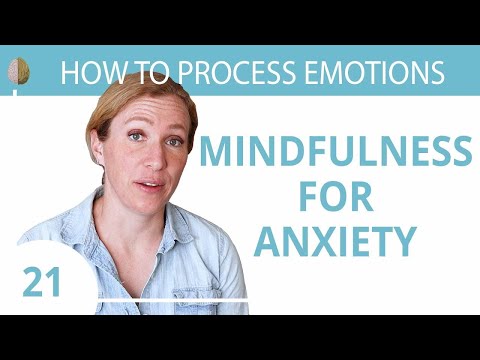
You know how life can sometimes feel like a rollercoaster? One moment you’re up high, enjoying the view, and the next, you’re in a freefall of anxiety or a deep slump of depression. It’s exhausting.
That’s where mindfulness meditation steps in. It sounds fancy, but really, it’s just about being present. Like, just focusing on right now. No beating yourself up about the past or worrying about the future.
Imagine taking a few minutes each day to breathe and clear your mind. Sounds nice, huh? All those racing thoughts start to slow down, and your heart feels a little lighter.
Trust me; it can be super helpful when life gets overwhelming. Let’s chat more about how mindfulness can genuinely make a difference for your mental health.
Transform Your Mental Health: Mindfulness Meditation Techniques for Anxiety and Depression on YouTube
Mindfulness meditation is like a warm hug for your mind when anxiety and depression come knocking. Seriously, it offers a break from those racing thoughts and heavy feelings. So, what’s the deal? Let’s break it down.
First off, mindfulness means being present in the moment, paying attention to what’s happening right now without judgment. It’s like turning down the volume on all that mental chatter. When you focus on your breath or your surroundings, you give your brain a breather.
YouTube is filled with amazing resources to help guide you through mindfulness meditation. You can find tons of free videos that walk you through different techniques. Just search for “mindfulness meditation for anxiety” or “mindfulness for depression.” You’ll discover everything from short five-minute sessions to longer, deep dives into relaxation.
Here are some popular techniques you might stumble upon:
Having struggled with anxiety myself, I remember one afternoon just sitting on my couch scrolling through YouTube when I came across a guided meditation for anxiety relief. At first, I was skeptical—would this really help? But I decided to give it a shot anyway. By focusing on my breathing and letting go of my racing thoughts, I felt lighter afterward—like I had shed some invisible weight.
However, while mindfulness meditation can be incredibly helpful, it’s also important to remember that it’s not magic. Sometimes, it takes patience and practice before you notice any big shifts in how you’re feeling.
And if you’re looking for something more structured than random videos? Well, some channels even offer full courses on mindfulness meditation that span over several weeks! These can provide deeper insights into the practice as well as community support; it’s nice knowing others are in this journey with you.
Incorporating mindfulness into daily life isn’t just about formal sitting practices either. You can try practicing mindfulness while doing everyday activities like eating or walking—paying attention to each bite or step brings awareness right into those normal moments.
The beauty of using YouTube for this is the accessibility; you’ve got something at your fingertips anytime anxiety tries to crash the party again! Just make sure you’re choosing reputable channels that have positive feedback and qualified instructors behind them.
So there you go—a little peek into transforming mental health using mindfulness meditation techniques found on YouTube! Give it a shot; what do you have to lose?
Top Mindfulness Meditation Techniques for Effectively Managing Anxiety and Depression
Mindfulness meditation is a powerful tool for managing anxiety and depression. It’s all about being present in the moment, you know? Instead of worrying about what happened yesterday or stressing over tomorrow, mindfulness helps you focus on the now. Here are some techniques that can really make a difference.
1. Breath Awareness
This one’s super simple but effective. Just sit comfortably, close your eyes, and pay attention to your breath. Feel it going in and out. When your mind starts wandering—because it will!—just gently bring your focus back to your breath. It’s like giving your thoughts a little timeout.
2. Body Scan
This technique involves focusing on different parts of your body from head to toe or vice versa. Lie down or sit comfortably, then start at the top of your head. Notice any sensations—tension, warmth, whatever’s there—and then move down slowly. This helps you connect with how you’re feeling physically and mentally.
3. Mindful Walking
You don’t have to sit still to meditate! Try walking slowly and paying attention to each step you take. Feel the ground beneath your feet and notice the movement of your legs and arms. This could be in a park or even around your living room; just make sure you’re fully engaged in each step.
4. Loving-Kindness Meditation
This one’s all about spreading positive vibes—not just to yourself but others too! Begin by focusing on yourself first: repeat phrases like “May I be happy” or “May I be at peace.” Once you feel that warmth, extend those wishes towards someone else—a friend, family member, even someone you’re struggling with can work wonders!
5. Guided Meditations
If you’re a bit unsure where to start solo, guided meditations can be really helpful! There are tons of apps and videos out there where someone talks you through meditation steps; it feels like having a buddy on this journey with you.
6. Mindful Eating
Eating doesn’t have to be mindless! Take time during meals to appreciate each bite—notice the flavors, textures, smells…really take it all in instead of scrolling on your phone or zoning out in front of the TV.
Using these mindfulness techniques can help ease the weight of anxiety and depression over time. It’s not always easy—some days might feel tougher than others—but being kind to yourself is key here too! You might not see instant results; change takes time and practice.
So remember: mindfulness isn’t just about sitting cross-legged for hours on end; it’s about bringing awareness into everyday experiences. The more regularly you practice these techniques, the more natural they become in managing those overwhelming feelings when they crop up again.
Transform Your Mental Health: Free Mindfulness Meditation to Alleviate Anxiety and Depression
Anxiety and depression can feel like relentless shadows, creeping in at the worst moments. But there’s a cool tool that many folks find helps: **mindfulness meditation**. You might wonder how sitting quietly can make such a difference. Well, it’s all about being present.
In a nutshell, mindfulness is about tuning into your thoughts and feelings without judgment. When you practice it, you learn to observe your mind like you’re watching clouds drift by instead of getting tangled up in them.
So how does this work for anxiety and depression? Let me break it down.
1. Reduces Stress: Mindfulness meditation helps lower stress levels by calming your mind. When you focus on your breath or bodily sensations, it becomes easier to let go of racing thoughts that can fuel anxiety.
2. Increases Self-Awareness: You may start recognizing patterns in your thinking. For instance, maybe you always think, «I’m not good enough.» Meditation allows you to catch that thought before it spirals out of control.
3. Cultivates Compassion: It’s easy to be hard on yourself when you’re feeling low, but mindfulness encourages self-compassion. You learn to treat yourself with kindness rather than criticism.
People often worry they need a lot of time or fancy skills for mindfulness meditation, but that’s not true! You don’t have to be an expert—just five or ten minutes can help clear your head.
Here’s a quick idea for starting out:
1. Find a quiet space where you feel comfortable.
2. Sit down or lie back—whatever feels good.
3. Close your eyes if that’s comfy for you.
4. Focus on your breath: notice the way the air moves in and out.
5. If thoughts pop up—and they will—acknowledge them without judgment and gently bring your focus back to breathing.
You may feel silly at first; everyone does! I remember the first time I tried meditating, I kept thinking about my grocery list! But over time, just like lifting weights at the gym, it gets easier and more effective.
There are plenty of apps and online resources that offer **free guided meditations** specifically designed for anxiety and depression too! These can make starting out even simpler since having someone guide you through makes a big difference.
Combining mindfulness with other therapies like cognitive behavioral therapy (CBT) has also shown promising results for many people experiencing those pesky mental health issues.
So if anxiety or depression feels heavy right now, consider giving mindfulness meditation a shot—it might just help lighten the load a little bit! It’s not a magic fix but hey, every little bit counts when you’re working on feeling better mentally and emotionally!
You know, mindfulness meditation has become quite the buzzword in recent years. It seems like everyone’s talking about it—from your friend who swears it changed her life to those trendy apps you see everywhere. But the thing is, there’s a reason behind all this chatter. When it comes to managing anxiety and depression, mindfulness can really be a game-changer.
I remember when I first tried it myself. I was in one of those spirals where negative thoughts felt like they were drowning me. Seriously, every time I thought I was getting a grip, another wave of worry would crash over me. It was exhausting. A friend suggested I give mindfulness a shot—just sitting quietly and focusing on my breath for a few minutes each day. At first, I thought it sounded too simple to work. But you know what? There was something grounding about paying attention to my breath.
Here’s why it clicked with me: mindfulness is all about being present. It helps you step outside of that whirlwind of thoughts and just observe them without judgment—like watching clouds float by instead of getting swept away in a storm. In moments filled with anxiety or sadness, that space can feel like pure relief.
But let’s break it down a bit more—how does this whole thing actually help? Well, practicing mindfulness teaches your brain to respond differently when tough emotions pop up. Rather than getting sucked into old patterns or spiraling into negative thoughts, you learn to acknowledge them without letting them take control. It’s not always easy; some days are definitely harder than others!
And don’t get me started on the physical benefits too! Stress can really mess with your body, but by focusing on the here and now—whether it’s how your feet feel on the ground or every little sound around you—you can actually lower those stress levels over time. Like magic!
Of course, meditation isn’t a one-size-fits-all solution; it’s just one tool among many for tackling anxiety and depression. But if you’re feeling stuck or overwhelmed, giving mindfulness meditation a shot might be worth considering! Even if you start small—a couple minutes at a time—it can open up new ways of seeing things.
So yeah, while it’s not some miraculous cure-all, mindfulness meditation offers that gentle reminder to pause amidst life’s chaos and simply breathe. Honestly? Sometimes that can make all the difference between feeling lost in your thoughts or finding some calm in the storm.