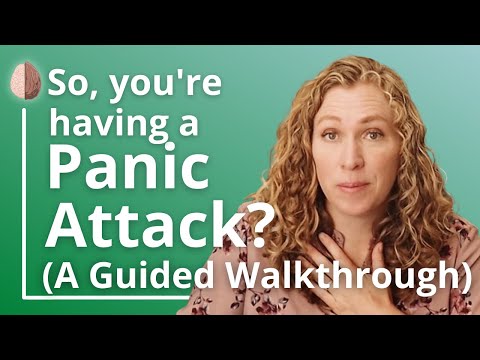
So, let’s talk about panic attacks. They can totally catch you off guard, right? One minute you’re fine, and the next you’re feeling like the walls are closing in. It’s scary stuff.
But here’s the thing: there are ways to handle that chaos. Ever heard of mindfulness meditation? It’s not just some trendy buzzword; it can really help when things get intense.
Imagine finding a little calm in the storm. Wouldn’t that be nice? You know, breathing deeply and just being present for a moment. Sounds simple, but it can make a huge difference.
So hang tight! I’m going to share some techniques for using mindfulness to manage those pesky panic attacks. You might find something here that clicks for you.
Effective Mindfulness Meditation Techniques for Overcoming Panic Attacks – YouTube Guide
Sure, let’s talk about mindfulness meditation and how it can seriously help when dealing with panic attacks. Panic attacks can feel super overwhelming, like a tidal wave crashing down on you out of nowhere. You might feel your heart racing, breathing getting all wonky, or just an intense feeling of fear that’s hard to shake off. But, hey, mindfulness meditation can be a really useful tool in managing these situations.
Understanding Mindfulness
Basically, mindfulness is all about being fully present in the moment. It’s like putting your focus on what’s happening *right now*, instead of worrying about what might happen next or dwelling on the past. This shift in awareness can help calm the storm inside your head during a panic attack.
Breathing Techniques
One effective technique involves your breath. When panic strikes, your breathing often becomes rapid and shallow. So, trying this simple exercise can help:
- Inhale deeply through your nose for a count of four.
- Hold that breath for another count of four.
- Exhale slowly through your mouth for a count of six.
- Repeat this until you start feeling more grounded.
Just focusing on how the air fills your lungs and then leaves can make a huge difference. It’s grounding.
Sensory Awareness
Another technique is sensing awareness. This involves tuning in to your senses when you feel panic rising:
- Name five things you can see: Just look around and state them out loud.
- Name four things you can touch: Maybe it’s the fabric of your clothes or the coolness of a nearby surface.
- Name three things you hear: This could be anything from birds outside to distant car noises.
- Name two things you smell: If nothing’s around, just notice any scents from memories or snacks nearby!
- Name one thing you can taste: Focus on that taste in your mouth—could be minty or just plain old coffee!
This little game shifts your mind away from panic by engaging different senses.
Praxis – Body Scan Technique
Another effective method is the body scan technique. This one helps promote relaxation by moving attention through different parts of the body:
- You start at either your head or toes and work down or up.
- Spend a few moments noticing sensations: Are they tight? Relaxed? Tingly?
- If you find tension anywhere, imagine breathing into it as if you’re filling it with warm light.
It’s kind of like giving yourself an emotional check-up while also encouraging relaxation.
Meditation Apps and YouTube Guides
There are tons of apps and YouTube guides that walk you through these techniques step-by-step! Seriously! You could find something perfect for yourself by searching terms like «mindfulness meditation for anxiety» or «guided body scan.» Many folks swear by these resources.
When you practice regularly—even if it’s just five minutes each day—you’re building resilience against anxiety over time. It becomes easier to access those calming techniques during moments of distress.
Panic attacks can be tough to navigate alone but remember: You’re not alone in this battle! Mindfulness meditation techniques are tools that may help keep those panic waves at bay while promoting an overall sense of peace in daily life. Just give yourself some grace and space as you explore what works best for *you*.
Quick Calm: 5-Minute Meditation to Alleviate Panic Attacks
So, panic attacks can feel intense and overwhelming, can’t they? A sudden wave of fear hits like a freight train, leaving you breathless and uneasy. But you know what? There’s a way to catch your breath and regain control in just a few minutes. That’s where a quick 5-minute meditation comes in handy.
Mindfulness meditation is all about being present. It helps ground you when anxiety starts to spiral. The cool thing about it is that you don’t need much time or fancy equipment—just a quiet spot and your focused mind.
Here’s how you can do a super short meditation when panic knocks at your door:
- Find Your Space: Sit or lie down somewhere comfy. Make sure it’s quiet where you won’t be bothered for five minutes.
- Close Your Eyes: This helps block out distractions. If closing your eyes feels weird right now, just soften your gaze.
- Take Deep Breaths: Breathe in slowly through your nose for about four counts, hold for two counts, and then breathe out through your mouth for six counts. Repeat this until it feels easier.
- Focus on Your Breath: While breathing, concentrate on the sensation of air filling your lungs and then leaving them. If your mind wanders—no biggie—gently guide it back to the breath.
- Acknowledge Feelings: If panic or anxious thoughts creep in, instead of pushing them away, say “okay” to yourself. Acknowledge that they’re there but remind yourself they’re temporary.
Just imagine this: Picture yourself sitting on a peaceful beach as the waves roll in and out effortlessly. That’s the essence of mindfulness—being aware without judgment.
Don’t pressure yourself into silence either! Sometimes thoughts pop up like popcorn kernels; that’s totally normal. Just notice them and let them drift away like clouds.
If you’re doing this during an actual panic attack, try tuning into those physical sensations too—the pounding heart or sweaty palms. Seriously, recognize these signals as temporary discomfort rather than something dangerous.
Now here’s something to keep in mind: This 5-minute meditation is not a magic wand. It won’t erase panic attacks overnight, but with practice, it can help lessen their intensity over time.
It takes patience—you’re learning new ways to cope here! Knowing that it’s okay not to be perfect at all times can also ease some pressure off your shoulders.
So next time panic strikes like an unwanted guest at a party, try this quick calm technique and see how it feels for you! You might just find some peace amid the chaos.
Top Meditation Techniques to Alleviate Panic Attacks and Promote Calm
Meditation can be a real lifesaver for people dealing with panic attacks. Seriously, these techniques can help you find your calm when everything feels like it’s going haywire. So, let’s chat about some top meditation techniques that could make a difference.
1. Mindfulness Meditation
This one’s all about being present in the moment. When you feel anxiety creeping in, try focusing on your breath. Count each inhale and exhale. You could also visualize your thoughts as clouds drifting by—just let them pass without grabbing onto them.
2. Grounding Techniques
When panic hits, grounding techniques can pull you back to reality. One simple method is the 5-4-3-2-1 exercise: identify
This not only calms your mind but reconnects you with your body.
3. Loving-Kindness Meditation
This one is about sending good vibes to yourself and others. Start by sitting comfortably and taking deep breaths. Then, silently repeat phrases like “May I be happy” or “May I be safe.” It sounds simple but it helps soften the hard feelings that come with panic.
4. Body Scan Meditation
Essentially, this method involves paying attention to different parts of your body, starting from your toes up to your head. Notice any tension or discomfort as it arises and breathe into those areas—a little release goes a long way!
5. Guided Imagery
Think of this like daydreaming! You choose a calming scene—maybe a beach or a quiet forest—and focus on the details: what do you hear? What do you smell? This technique helps shift gears from anxious thoughts to peaceful imagery.
Panic attacks are tough; they often come out of nowhere and leave you feeling drained afterward. Incorporating these meditation techniques into your routine may help manage those intense feelings when they pop up.
Remember the time when Sarah had her first panic attack while giving a presentation? She felt her heart racing and couldn’t breathe right at all! But after learning mindful breathing techniques, she realized she could pause, take a breath or two, and regain control over her feelings in stressful moments like that.
So yeah, practicing these methods regularly might not just help during an attack but also build resilience over time. It’s all about finding what works best for you—so try them out!
You know, dealing with panic attacks can be like getting thrown into a raging river without a raft. It’s intense and you feel totally unmoored. I remember a time when I was at a concert, and suddenly my heart started racing, my palms got sweaty, and I felt like the walls were closing in. It was overwhelming. But then someone told me about mindfulness meditation techniques, and honestly, it kind of changed the game for me.
Mindfulness meditation is all about being present—focusing on now rather than spiraling into thoughts about what might happen next or rehashing past events. So, when you feel that familiar panic creeping in, practicing mindfulness can help ground you. Basically, it’s about noticing your breath; feeling it come in and go out. Just focusing on that rhythm helps slow everything down, you know?
One technique is the 5-4-3-2-1 grounding exercise. It sounds fancy but it’s super simple. You pinpoint 5 things you can see around you—like a tree or a poster—then 4 things you can touch—a chair or your clothes—3 things you can hear—maybe music or people talking—2 things you can smell (even if it’s just the soap on your hands), and then 1 thing you love about yourself. This little routine pulls your focus back to reality rather than letting your mind race away.
Another cool thing is body scanning: lying down comfortably and “scanning” from head to toe for tension or discomfort. Acknowledging those feelings without judgment is powerful—you just let them be there for a moment. It’s like telling anxiety, “I see you! But you’re not driving this train.”
And while mindfulness isn’t a magic fix—it doesn’t make the panic go away instantly—it gives you tools to feel more in control when those waves hit hard.
So if you’re struggling with panic attacks or just feeling really anxious sometimes, give these techniques a shot! It might take some time to get used to them; that’s alright. We’re all works in progress here!