Hey, have you ever thought about how your memory changes as you get older? It’s kind of a wild ride, right? One minute you’re recalling every detail from last week’s dinner, and the next, you’re struggling to remember why you walked into a room.
Cognitive health is a big deal. It affects how we think, learn, and remember stuff. That’s where the Mini Mental Memory Test comes in! It’s a simple way to check in on your memory skills without all the fuss.
So, if you’re curious about keeping those brain cells firing or just want to see how your memory stacks up, this test might be right up your alley! Let’s explore what it’s all about together.
Understanding the MMSE Cognitive Assessment Test: Purpose, Procedure, and Importance
The MMSE, or Mini-Mental State Examination, is a **cognitive assessment tool** used to check for cognitive function. It’s like a quick brain check-up that can help identify issues like dementia or other cognitive impairments. So, if you’ve been feeling forgetful lately or noticed someone close to you struggling with memory, the MMSE might pop up in conversations with health professionals.
The purpose of the MMSE is pretty straightforward. It helps doctors and therapists understand how well someone’s thinking, remembering, and reasoning abilities are functioning. You know, everyday stuff like remembering a few words or following simple instructions. This test doesn’t diagnose conditions outright but flags things that might need further exploration.
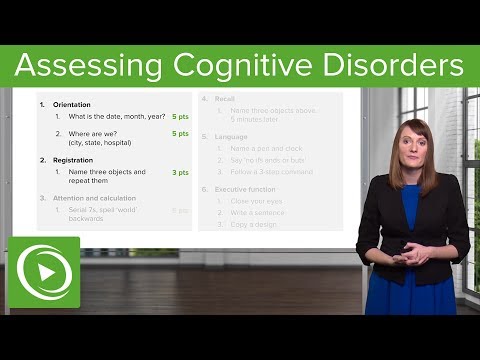
Now let’s talk about the procedure. The test usually lasts about 10 to 15 minutes. Someone will ask you a series of questions and give you tasks to complete. Here’s the deal:
- First up, they’ll ask some basic questions like today’s date or where you are.
- Next, there’s a bit of memory work—say a few words and later ask you to repeat them.
- Then there are tasks involving attention and calculation—a simple math problem could pop up.
- You might even get asked to draw something like a clock showing a specific time—this one’s always interesting!
Scoring is simple as pie: each correct answer earns points, for a maximum score of 30. A lower score suggests potential cognitive decline while higher indicates better cognitive health.
The importance of the MMSE can’t be overstated. For one thing, it helps kick-start conversations about mental health with your doctor. You know how weird it feels when something’s off but bringing it up seems daunting? The MMSE gives solid groundwork for those talks.
I remember my buddy’s grandmother; she was always sharp as a tack until one day she couldn’t remember her grandson’s name during family dinners! After an evaluation with an MMSE test came back showing signs of early-stage dementia, they were able to plan for her care better together as a family.
In summary, knowing about the MMSE gives you insight into not just its purpose and procedure but also why it’s important in understanding cognitive health. Whether it’s for yourself or someone else you care about, being aware can make all the difference in getting the help needed when times get tough.
Understanding Mini-Cog Scores: What is Considered Normal?
The Mini-Cog is a simple test used to assess cognitive health, and its scores can tell us a lot about memory and thinking skills. It’s often used in primary care settings, especially for older adults. You might have heard of it being paired with the Mini-Mental State Examination (MMSE), but it’s really its own deal.
So, what’s the Mini-Cog all about? Basically, it combines a short memory test with a simple drawing task. Here’s how it goes down:
- First, you’re given three words to remember. Like “apple,” “table,” and “penny.”
- After a few minutes—while you’re working on something else—you’ll be asked to recall those words.
- Then comes the fun part: you’re asked to draw the face of a clock with the hands set at a specific time.
Now, about scores: a score of 0-2 usually indicates some level of cognitive impairment. If you get a 3 or higher, that generally suggests normal cognitive functioning. It’s important to remember that these numbers don’t exist in isolation; they also depend on factors like age and education.
Let’s say your grandma takes the test and scores a 1. That might ring alarm bells for her doctor, but if she has some other health issues or is under stress, those could play into her results too. Similarly, if someone has more education or cognitive experience, they might score differently even if their cognitive function seems similar.
It’s not just about passing or failing; context matters! Doctors will usually compare your scores with other assessments and consider your overall health history before jumping to conclusions.
So basically, while these scores can help paint a picture of someone’s cognitive state, they’re just one piece of the puzzle. If you’re worried about yourself or someone else based on these tests, chat with a health professional—having that conversation can go a long way in understanding what those numbers really mean.
Understanding MMSE Scores: What Indicates Dementia Risk?
Okay, so let’s talk about the MMSE, or the Mini-Mental State Examination. This test is kinda like a snapshot of your memory and cognitive skills. It’s often used to screen for conditions like dementia, but it can also help in monitoring cognitive change over time.
The MMSE scores range from 0 to 30. It consists of simple tasks that you might be asked to do, like counting backwards or remembering a few words. A higher score is better—think of it as a grade on a test, where 30 is, like, an A+, and anything below 24 might raise some eyebrows.
- Score 24-30: Generally considered normal. You’ve got your head in the game!
- Score 18-23: This indicates mild cognitive impairment. It’s not necessarily dementia, but it could mean you’re at risk.
- Score below 18: This often suggests significant cognitive decline which could be linked to dementia.
You know how sometimes you just can’t remember where you put your keys? Well, for someone with early signs of dementia, that feeling happens on a much bigger scale. They may struggle with daily tasks or forget important appointments frequently.
This brings us to what’s behind those numbers. The MMSE assesses several areas: orientation (where are we?), memory (remembering those three little words), attention (like counting back from 100 by sevens), and language skills (naming objects). All these pieces together give docs a clearer picture of your brain health.
If someone gets a lower score, it doesn’t automatically mean they have dementia. Sometimes depression or anxiety can affect scores too! Imagine being super anxious about taking that test—you might not perform your best because you’re worried!
If you or someone close to you isn’t scoring well on this test, it’s important not to panic but rather to have an open conversation with a healthcare provider. They might suggest further testing or evaluations since early intervention can make a real difference down the line.
So yeah, think of the MMSE as one tool in the toolbox for understanding cognitive health. It’s helpful but definitely not the whole story when figuring out what’s going on inside someone’s head!
So, let’s chat about this thing called the Mini Mental State Examination, or MMSE for short. It’s one of those tools that gets tossed around when talking about cognitive health. You know, every now and then, you might hear someone say they took a memory test or went in for a cognitive assessment. It can sound pretty intimidating at first, but once you understand it better, it’s really just a way to check in on how your brain is doing.
I remember this time when a close friend of mine was worried about her dad. He started forgetting little things—like where he put his keys or the name of that restaurant he loved. It was scary for her to think there might be something more serious going on. So, she encouraged him to see a doctor who ran this mini mental memory test. Honestly? Watching him take the test felt like a peek into his world, you know? There were questions about remembering words and counting backward—and even drawing a simple shape! Sometimes, we forget that assessments can feel like just another day.
The thing is, the MMSE isn’t just about numbers and names; it’s also kind of comforting in its own way. It’s structured but simple enough that anyone can grasp what’s going on. If I were sitting there with my friend’s dad during the exam, I would’ve probably felt nervous for him! But as he answered questions, you could see him engage with them slowly at first and then suddenly light up when he remembered something important.
But hey, it’s not just focused on memory! The test looks at orientation too—like knowing what day it is—or even some math skills that might’ve been long forgotten since school days! It sounds silly maybe, but really these aspects play such a huge role in helping doctors gauge overall cognitive health.
Now let me be clear: taking the MMSE doesn’t mean there’s an immediate diagnosis waiting around the corner. It helps screen for issues like dementia or cognitive impairment early on so that steps can be taken if needed—and that’s pretty valuable. It’s a bit like having your car checked out before any weird noises turn into major repairs.
So yeah, think of it as a way to keep track of how our minds are holding up over time. This kind of assessment isn’t just for older folks either; everyone can benefit from understanding their cognitive health. Just like staying fit physically is important—keeping our brains sharp should be right up there too!