You know that feeling when you’re just kind of… low? Like, not super sad, but just, eh? That’s where minor depression comes in.
It’s tricky because it’s not the full-blown thing. But still, it messes with your vibe. It’s weird how something can feel so heavy without having a clear reason.
In the DSM-5, which is like this big book for mental health stuff, minor depression is one of those things that raises some eyebrows. A lot of folks don’t even realize it exists.
So let’s chat about what it really means, how it shows up in life, and why it’s something you might want to pay attention to. Because trust me, taking care of your mental health is as vital as eating right or getting enough sleep!
Understanding Minor Depressive Disorder: Its Place in the DSM-5
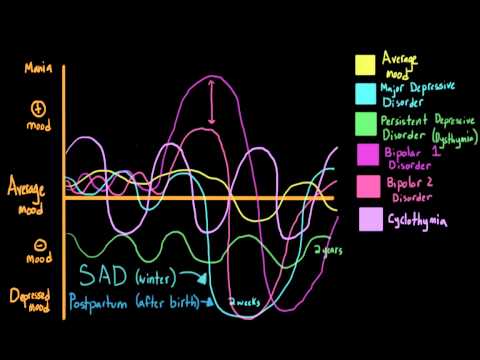
Minor Depressive Disorder, often brushed under the rug in conversations about mental health, is actually a pretty important topic. It’s officially known as “Persistent Depressive Disorder” in the DSM-5, which is the manual used by mental health professionals for diagnosis. You might be scratching your head and wondering why this lesser-known term is still relevant. Well, it provides a real glimpse into how some people deal with a kind of sadness that doesn’t fully meet the criteria for major depression but still affects their lives significantly.
So, what is it? Basically, Minor Depressive Disorder involves chronic feelings of sadness and low energy lasting for at least two years. Yup, that’s right—two whole years! During this time, a person might struggle with everyday life tasks. This can feel like trying to walk through quicksand; every little thing can seem like a massive effort.
Now let’s break down some key points related to this disorder:
- Symptoms: Even though they aren’t as severe as those seen in major depression, symptoms can include changes in appetite or sleep patterns, fatigue, difficulties concentrating, and feelings of hopelessness.
- Severity: It’s essential to understand that while these symptoms may not always feel overwhelming on their own, together they can take a serious toll on someone’s quality of life.
- Diagnosis: To get diagnosed with minor depressive disorder, you really should visit a mental health professional who will consider the duration and impact of your symptoms.
- Treatment: Therapy is often recommended for those experiencing this condition. Sometimes therapy can help address negative thought patterns or teach coping strategies that make dealing with daily life less daunting.
Imagine someone like Sarah who has been feeling persistently low but doesn’t meet all the qualifications for major depression. She struggles to get out of bed some days and finds herself avoiding friends because she feels so drained. This ongoing sadness affects her ability to enjoy things she once loved—like painting or going for walks in the park—with friends. So even if her situation isn’t classified as major depression, it still matters because it impacts her day-to-day life.
Recognizing minor depressive disorder could pave the way for earlier interventions. Many don’t realize that just because their struggle doesn’t fit neatly into ‘major’ depressive categories doesn’t mean it isn’t valid or worthy of attention.
In summary, while Minor Depressive Disorder might not grab headlines like its more famous cousin (major depression), it’s crucial to acknowledge its presence and effects on real lives. So when you’re talking about mental health—don’t forget about these nuances! They matter deeply to those who are affected by them daily.
Understanding Mild Depression: Is It Recognized as a Mental Illness?
Mild depression, often referred to as minor depression, is a term that doesn’t always get the attention it deserves. You might wonder if it’s actually recognized as a mental illness. Well, let’s break it down.
In the DSM-5, which is the handbook used by mental health professionals to diagnose disorders, mild depression doesn’t get its own shiny category. This can be a bit confusing because many people experience low moods that can impact their day-to-day lives. The thing is, mild depression can still feel pretty heavy. You know? It’s like that gray cloud hanging over you without the full storm.
When we talk about symptoms of mild depression, they usually include:
- Feeling sad or low for an extended time.
- Losing interest in activities you once enjoyed.
- Having trouble sleeping or sleeping too much.
- Changes in appetite—either eating less or more.
- Feeling tired or lacking energy.
One friend of mine shared her struggle with this kind of mood dip. She was doing okay at work and with friends but felt like a fog was constantly nearby. At first, she brushed it off as just being busy and stressed, but over time, she realized it affected her motivation and joy in little ways.
So, is this recognized as a mental illness? Well, not exactly in the same way that major depressive disorder is categorized. Mild depression might not be serious enough to warrant a diagnosis under DSM-5 criteria for disorders. Instead, it’s often viewed through the lens of other conditions like adjustment disorders or persistent depressive disorder (dysthymia). It’s tricky because even if it’s not formally labeled as an illness on some level, **it can have real effects on someone’s life**.
The key takeaway is: even if mild depression isn’t flagged as a standalone disorder in official manuals, that doesn’t mean it shouldn’t matter to you. If you’re feeling these symptoms frequently and they’re affecting your life—like your relationships or work—you might want to consider reaching out for support.
And hey—just chatting about your feelings with someone who gets it can be really helpful too! Sometimes just sharing your experiences makes things less daunting and shows you you’re not alone in this whole thing. Whether you’re seeking therapy or just opening up to friends—it all counts!
Understanding Minor Depression: Signs, Symptoms, and Management Strategies
Minor depression, sometimes called mild depression or persistent depressive disorder, might not seem as serious as major depressive episodes, but it can still pack a punch in your day-to-day life. So, what does it look like? Well, let’s break it down.
The signs and symptoms can be subtle but are definitely noticeable if you know what to look for. People dealing with minor depression often experience:
- Persistent sadness that doesn’t seem to fade—like a cloud hanging over your head.
- Lack of interest in activities you used to love. Remember that hobby you always enjoyed? Suddenly, it feels like a chore.
- Fatigue or low energy, even when you’ve had enough rest. It’s like dragging yourself out of a swamp every morning.
- Difficulty concentrating, which makes work or school feel like climbing a mountain.
- Changes in sleep patterns: You might be sleeping too much or struggling to catch those Z’s.
- A feeling of hopelessness, where everything seems bleak and the light at the end of the tunnel is nowhere to be found.
- Irritability that makes you snap at friends and family over little things. You may find yourself on edge more often than not.
- A change in appetite—either eating way too much or hardly at all; food becomes either comforting or repulsive.
You see how these might not sound as intense as what someone with major depression goes through? But the thing is, even minor depression can interfere with your life and relationships. It sneaks up on you and slowly chips away at your happiness.
If you’re recognizing some of these symptoms in yourself, don’t freak out! There are different ways to manage minor depression effectively. Here are some strategies:
- Therapy: Talking things out with someone who gets it can make a huge difference. Cognitive-behavioral therapy (CBT) is particularly effective here because it helps challenge negative thoughts and patterns!
- Exercise: Seriously! Getting moving can bump up those endorphins—the feel-good hormones—and lift your mood. Even just a daily walk can help!
- Meditation or mindfulness: Spending time being present helps quiet that noisy inner critic. Deep breathing exercises can also help calm those racing thoughts.
- A healthy diet: What you eat matters! Eating whole foods has been shown to improve mood over time. Think fruits, veggies, whole grains—all that good stuff!
- Sufficient sleep: Prioritizing rest is key since lack of sleep exacerbates symptoms. Create a relaxing bedtime routine; unplug for an hour before bed maybe?
The emotional toll minor depression takes shouldn’t be underestimated either. I remember chatting with a friend who felt so low but didn’t want to burden anyone; she thought her feelings weren’t «valid» enough for help. But everyone deserves support! Recognizing you’re struggling is step one—and there’s no shame in reaching out for help when needed.
You’ve got options if you’re feeling stuck! If these feelings linger more than two weeks or they get worse instead of better, don’t hesitate! Talk with someone—a therapist or trusted friend—because there’s light waiting for you ahead!
The reality is that managing minor depression takes time and patience—but little steps every day can lead toward brighter days ahead!
Minor depression, or what’s sometimes called “subclinical depression,” is one of those things that doesn’t always get the spotlight it deserves. So, let’s break it down a bit. It’s not listed as its own separate diagnosis in the DSM-5, which is the big book of mental health conditions used by professionals. Instead, it sits in the shadows of more recognized forms like major depressive disorder.
So here’s the deal: minor depression can feel just as heavy. You might find yourself feeling down for days or even weeks but not quite hitting that threshold required for a major diagnosis. It could be persistent sadness, fatigue that doesn’t seem to budge, or even losing interest in stuff you once loved—like binge-watching your favorite show or hanging out with friends.
Imagine a friend who loves to paint but suddenly feels blah every time they pick up a brush. They’re not officially «depressed,» but their spark is dimmed, and that really sucks! And this can happen to anyone—life can pile on stressors, and sometimes we just don’t bounce back like we used to.
What happens next? Well, if you’ve been feeling this way—and trust me; it’s super common—many people might shrug it off or think they just need to «tough it out.» But this kind of thinking isn’t always helpful. Minor depression can spiral into something bigger if left unchecked.
From a mental health perspective, recognizing these subtle feelings is crucial. You deserve space to feel what you’re feeling without judgment! Even if your struggles don’t match the textbook definition of major depression, talking about them can really help lighten the load. Therapy isn’t just reserved for those who fit neatly into diagnostic boxes; it’s there for everyone dealing with life’s ups and downs.
And let’s chat about stigma for a quick sec—people often think that unless you’re at rock bottom with your mental health, you don’t need help. That couldn’t be further from reality! The truth is that these “minor” feelings are valid and should be acknowledged and addressed.
So yeah, minor depression might not grab headlines or make dramatic stories on TV shows—but it’s real and impactful for those who experience it. It’s important to reach out when you’re not feeling like yourself—even if you don’t think you’re “sick” enough to get help. Remember: taking care of your mental wellness is just as vital as caring for your physical health!