You know, when it comes to medication, there’s always a lot to consider. Like, what are the side effects? It’s wild how something that helps your mood can sometimes mess with your body in unexpected ways.
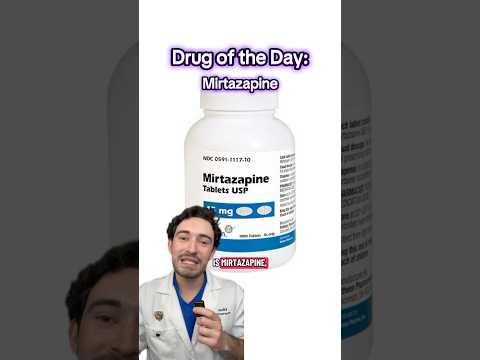
Take Mirtazapine, for example. It’s a popular antidepressant, but have you heard about its potential effects on vision? Seriously, it’s not something you hear every day.
I mean, can you imagine dealing with blurry vision on top of everything else? That’s why it’s worth chatting about. Let’s break down what you need to know—without the fancy jargon. Sound good?
Exploring the Effects of Mirtazapine: Does This Antidepressant Cause Eye Dilation?
Mirtazapine is one of those antidepressants that can help people manage symptoms of depression and anxiety. You might be wondering, though, if it has any side effects—especially when it comes to your eyes. So, does mirtazapine cause eye dilation? Well, let’s break it down in simple terms.
First off, mirtazapine works by affecting certain neurotransmitters in your brain—specifically norepinephrine and serotonin. This is important because these chemicals play a role in mood regulation. However, like many medications, it can have side effects as well.
Now, eye dilation, or mydriasis if you want to get technical about it, isn’t one of the most commonly reported side effects of mirtazapine. But that doesn’t mean it’s impossible! Some people do report changes in their vision or sensations like blurred sight or difficulty focusing while on this medication.
Let’s consider how mirtazapine connects to eye dilation indirectly. The drug can cause sedation and relaxation by blocking certain receptors that might influence how your body reacts to light and other visual stimuli. So, if you’re feeling drowsy or out of sorts after taking mirtazapine, your eyes might also respond differently.
There are also a few points worth keeping in mind:
- Your reaction can be unique: Everyone reacts differently to medications. What causes eye dilation for one person may not have the same effect on someone else.
- Other factors matter: If you’re taking other medications alongside mirtazapine, those could also contribute to eye dilation or other visual disturbances.
- Pre-existing conditions play a role: If you have any eye conditions already—like glaucoma—that could influence how mirtazapine affects you.
Here’s a little story for perspective: A friend of mine started taking mirtazapine after struggling with insomnia and low moods. At first, she felt great relief from her anxiety—but then she noticed her vision wasn’t quite as sharp as usual. One day she asked me about it during brunch; I thought maybe she was just super tired from her new sleep schedule! It turned out that once she talked to her doctor about her blurry vision, they figured out a better dosage for her.
So yeah, while the likelihood of mirtazapine causing noticeable eye dilation isn’t high for most people, there are nuances involved that might affect some folks differently. If you’re ever concerned about changes in your vision or any side effects from medication—talking it over with a healthcare provider is always the best call! They can help you sort through what’s normal and what might need addressing specifically for you.
Exploring the Connection Between Mirtazapine and Cataracts: What You Need to Know
Mirtazapine is a medication that’s often prescribed for depression and anxiety. It works by balancing certain chemicals in your brain, helping lift your mood and improve sleep. But like any medication, it can have side effects. One area that’s been getting some attention is its potential connection to cataracts.
Cataracts are basically cloudy areas that develop in the lens of your eye, which can make things look blurry or hazy. They’re usually just part of aging, but certain medications might increase the risk.
So, let’s break down what you need to keep in mind about mirtazapine and cataracts.
Research on Mirtazapine and Cataracts
There isn’t a mountain of evidence linking mirtazapine directly with cataract formation. Studies often focus more on its other side effects like weight gain or sedation. However, some smaller studies and reports suggest there might be an association between mirtazapine use and increased risk of cataracts.
Potential Eye Effects
When taking mirtazapine, you might experience some eye-related side effects, though these are usually mild. Common ones include:
- Dizziness: This can affect depth perception.
- Blurred Vision: It isn’t exactly pleasant if you’re trying to read something.
- Dry Eyes: That scratchy feeling can be annoying.
While these symptoms can be uncomfortable, they don’t necessarily mean you’re headed toward developing cataracts.
Anecdotal Evidence
Some patients have reported changes in their vision after starting mirtazapine—like one friend who noticed her glasses prescription seemed off shortly after beginning treatment. After chatting with her doctor, it turned out she needed an update anyway! So it’s important to regularly check in about any changes in your vision if you’re on this medication.
Long-Term Use
If you’re taking mirtazapine for a while, keep an eye on those visual changes (pun intended!). Regular check-ups with your eye doctor are key to catching any issues early on before they escalate into something bigger.
The Bottom Line
While there’s no clear-cut evidence that says mirtazapine causes cataracts directly, it’s essential to stay informed about your health when using this medication. If you notice anything funky with your vision or just have concerns, reach out to a healthcare professional. They can help clarify what’s going on and whether adjustments need to be made.
Remember: You know your body best! Don’t hesitate to advocate for yourself when it comes to mental health and overall well-being!
Exploring the Rare Side Effects of Mirtazapine: What You Need to Know
Mirtazapine is one of those medications that can really help with depression and anxiety. It’s known for its calming effects, but like all medications, it can come with some side effects—some of which are pretty rare. One area that folks don’t often think about is how Mirtazapine might affect your vision. So, let’s break this down a bit.
First off, vision-related side effects aren’t super common, but they can happen. For instance, some people report blurred vision or even dry eyes after starting this medication. It’s kind of wild how something meant to help your mood can mess with your peepers, huh?
Another thing to consider is changes in pupil size. Some have experienced dilation of their pupils, which can cause sensitivity to light or difficulty focusing on objects close-up. You could be sitting outside on a sunny day thinking, «Why am I squinting so much?» Well, it could be related!
Then there are those cases where people notice an increase in eye strain or discomfort. Imagine staring at a computer screen for hours and feeling that annoying pressure behind your eyes. That can be even more pronounced when you’re on Mirtazapine.
You might also hear about something called visual disturbances. This is a fancy term for things like seeing spots or flashes of light. Although it doesn’t happen often, if you start noticing weird visuals, it’s definitely worth chatting with your doctor.
One important thing to remember is that everyone reacts differently to medications. Just because one person has an eye issue doesn’t mean you will too. But still—it’s good to keep an eye (pun totally intended!) out for changes in your vision if you’re taking Mirtazapine.
If any of these symptoms pop up—like blurred vision or strange visual effects—don’t just brush them off! Talk to your healthcare provider about what you’re experiencing; they might adjust your dose or switch you to something else entirely.
In summary, while Mirtazapine can be effective for treating depression and anxiety, its impact on vision should not be overlooked. Keep yourself informed and don’t hesitate to advocate for yourself because your comfort and health matter most!
So, let’s chat about mirtazapine, a medication that’s often prescribed for depression and anxiety. You might not think about how it could mess with your vision, but hey, it’s something we should talk about.
Mirtazapine can have some side effects, and changes in vision can certainly be one of them. Imagine this: you’re just going about your day, feeling a bit better thanks to this med. But then you notice that your eyes feel weird or maybe things aren’t as clear as they used to be. That’s when a little worry might creep in. You’re not alone in feeling that way; plenty of folks have reported odd visual experiences while taking it.
Now, the science behind it is a bit tricky. Mirtazapine affects certain chemicals in your brain, like serotonin and norepinephrine, to help improve mood and maybe even sleep. But sometimes these changes can influence how your eyes work too. Blurry vision or dry eyes don’t sound like the worst problems out there—but they can be pretty annoying!
There was this one time I heard from a friend who started mirtazapine after struggling for ages with sadness and sleepless nights. Sure enough, she felt more rested and her mood lifted after using it for a while. But then she mentioned her eyes felt really dry, like they were sandpaper or something! She was understandably concerned because who wants to deal with that on top of everything else? Eventually, she brought it up with her doctor, who suggested some eye drops to help ease those symptoms.
So what’s the takeaway here? If you’re experiencing any weird eye stuff while on mirtazapine—like blurriness or dryness—it’s super important to talk to your healthcare provider. They can help sort through those feelings and figure out if it’s truly the medication causing the issue or something else altogether.
Honestly, mental health medication is such a personal journey. Every person reacts differently; some might sail through without any side effects at all while others experience bumps along the way—like those pesky eye problems! Just remember: you’re not alone in this journey; reaching out for support can make all the difference in managing not just how you feel emotionally but also physically too.