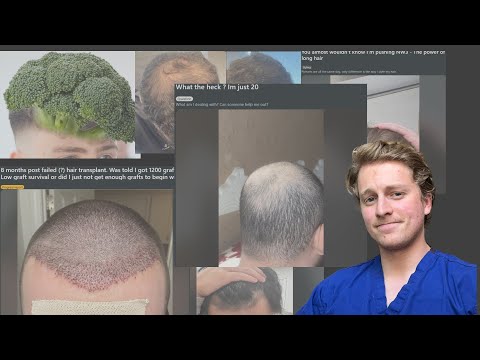
So, you’ve been scrolling through Reddit, right? And you keep running into threads about mirtazapine and hair loss. It’s like people can’t stop sharing their stories.
Seriously, it’s wild how many folks are dealing with this combo. Some are frustrated, while others seem to just shrug it off. It’s like a rollercoaster of emotions.
But what’s the deal? Why does a med for mental health have such an unexpected side effect? Let’s chat about it. I mean, we all want to feel better, but not at the cost of losing our hair, am I right?
Join me as we dig into these experiences and maybe even find some answers along the way. You ready for this ride?
Exploring the Link Between Mirtazapine and Hair Thinning: What You Need to Know
Mirtazapine is an antidepressant that’s often used to treat major depressive disorder and sometimes anxiety disorders. It works by affecting certain neurotransmitters in the brain, like serotonin and norepinephrine. So here’s the thing: while many people find it beneficial for their mental health, there have been some reports about hair thinning or hair loss as a possible side effect.
Now, let’s get into why this might be happening.
First off, medication side effects can vary widely from person to person. Some folks are more sensitive to certain drugs than others. In the case of mirtazapine, hair loss isn’t super common, but it does show up in conversations on platforms like Reddit. It can be frustrating for those who are already dealing with depression or anxiety; you’re trying to feel better mentally and then this happens. You follow me?
Another point to consider is that stress itself can lead to hair loss. If you’re battling mental health issues and taking mirtazapine for help, any additional stress—like noticing your hair thinning—can feel like a double whammy. Talk about adding insult to injury!
Some people might also experience what’s known as telogen effluvium. This condition is often temporary and can be triggered by various factors—including medications, stress, or even changes in your hormonal levels. Basically, it causes hair follicles to enter a resting state too soon, leading to increased shedding.
Here are some key points regarding mirtazapine and hair thinning:
- Common Side Effects: Weight gain and sedation are way more common than hair loss.
- Individual Responses: Not everyone will experience hair loss; it depends on your unique body chemistry.
- Consult Your Doctor: If you’re worried about this side effect, chatting with your healthcare provider is essential.
- Monitor Changes: Keep an eye on any noticeable changes in your hair; documenting them might help when you discuss with your doctor.
In one thread on Reddit, a user shared their frustration after noticing increased shedding while taking mirtazapine. They were already in a vulnerable spot due to depression and felt disheartened by this new challenge. It really emphasized how intertwined mental health and physical appearance can be.
Honestly? Hair thinning can feel like another layer of stress on top of everything else you’re dealing with when you’re struggling with mental wellness. But remember—not every medication affects everyone the same way.
So if you’ve noticed changes after starting mirtazapine or any other medication, don’t hesitate to reach out for support! Your mental health care team is there for a reason; they’re not just there for prescriptions—they’re there for all aspects of your well-being!
To wrap things up: while mirtazapine may lead to some concerns about hair thinning for some people, it’s not a universal side effect—just something worth discussing openly if it pops up for you.
Exploring the Impact of Mirtazapine on Personality: What You Need to Know
When it comes to mirtazapine, there’s a lot more than just the usual talk about depression and anxiety. This medication, often prescribed for major depressive disorder, can have some pretty interesting effects on your personality and even raise questions around issues like hair loss. Let’s break this down.
Mirtazapine’s Role
First off, mirtazapine is an antidepressant that works differently from others. It boosts the levels of certain chemicals in your brain, like serotonin and norepinephrine. This can help lift mood and improve overall well-being. People often notice a shift in how they view life and themselves—it might even make you feel more open or social.
But here’s where it gets complex: while some feel better emotionally, the shift in brain chemistry can potentially lead to changes in personality traits too. For instance, someone who was previously anxious might feel more relaxed and outgoing after starting treatment.
Personality Changes
So what does this mean for personality? Well, not everyone reacts the same way—some people report feeling more **assertive** or **confident**, while others may experience increased **emotional sensitivity** or even irritability. If you’ve ever been on any kind of medication, you probably know it can be a bit of a roller coaster at first.
Take Sarah’s story as an example. Before mirtazapine, she struggled with social anxiety—so much that she avoided gatherings altogether. After starting her treatment, she suddenly felt comfortable joining friends at happy hour! It felt life-altering for her. But then she also found herself tearing up during movies that never made her cry before. It’s a mixed bag; it really depends on how your unique brain reacts.
Hair Loss Concerns
Now let’s touch on another hot topic: hair loss. Some folks on platforms like Reddit share personal experiences about noticing their hair thinning after they started mirtazapine. While it’s not the most common side effect, it does happen for some people.
Here’s the scoop: medications can affect hair growth cycles because they change hormonal levels and stress responses in the body. Mirtazapine isn’t usually linked directly to hair loss like others may be (think certain antidepressants or blood pressure meds), but individual reactions vary quite a bit.
What You Need to Know
Let’s recap some key points:
So if you’re considering mirtazapine or are currently taking it, keep these things in mind! Talk with your doctor if you notice any drastic changes in how you feel or if hair thinning is bothering you. This way, you’ll get personalized guidance tailored just for your situation.
In short? Mirtazapine can reshape parts of who you are—some good stuff there—but don’t hesitate to check in with your healthcare professional about any worries that pop up along the way!
Empowering Strategies to Cope with Alopecia: A Guide to Mental Wellness
Dealing with alopecia can be really tough, not just physically but emotionally too. Losing your hair can shake your confidence, and it’s normal to feel overwhelmed. But you’re not alone in this, and there are ways to cope that can help you feel more empowered.
First, it’s super important to acknowledge your feelings. If you’re feeling sad or angry about your hair loss, that’s totally valid. It’s okay to grieve the change in how you look. Recognizing those emotions is a key step in moving forward. Just as one Reddit user mentioned after starting mirtazapine for anxiety—it helped with their mental health struggles even though they noticed some side effects like hair thinning.
Another strategy that might help is finding a support network. Surround yourself with people who understand what you’re going through—friends, family, or even online communities focused on alopecia. Sharing experiences can be quite cathartic. And hey, sometimes just venting to someone who gets it makes all the difference, right?
Then there’s the idea of self-acceptance, which isn’t always easy but is super empowering. You can embrace your new look in different ways—maybe trying out new styles or rocking headscarves! There’s something liberating about finding what feels good for you and owning it.
Let’s not forget about practicing self-care. Whether it’s regular exercise that boosts your mood or engaging in hobbies that make you happy—you gotta find what fills your cup! Even things like meditation or yoga can help center your thoughts; they give you tools to manage stress and anxiety.
Also, consider speaking to a mental health professional if you’re feeling really overwhelmed. They can provide strategies tailored specifically for your feelings around alopecia and support coping mechanisms like cognitive-behavioral therapy (CBT). And believe me; having someone guide you through this journey is invaluable.
Remember that everyone’s experience is unique; what works wonders for one person might not click with another. But trying out various strategies could uncover what helps YOU the most. So don’t hesitate—experiment with different coping methods until something resonates!
In summary:
- Acknowledge your feelings: It’s okay to feel upset about hair loss.
- Find support: Connect with others who share similar experiences.
- Practice self-acceptance: Embrace changes in appearance.
- Engage in self-care: Boost mood through exercise and hobbies.
- Seek professional help: Therapy can offer tailored strategies.
You got this! Remember, it’s okay to take time figuring things out. Each step toward empowerment counts—even when it feels small.
You know, I was scrolling through Reddit the other day, and I stumbled onto some discussions about mirtazapine and hair loss. It’s kind of wild how people share their experiences with meds there, and honestly, it got me thinking.
So, mirtazapine is often prescribed for anxiety and depression. It can really help lift some heavy clouds for folks who feel stuck in a rut. But then there’s the hiccup: some people mention hair loss as a side effect. And while it might sound trivial compared to battling mental health issues, losing your hair can seriously shake your confidence.
I saw one post where someone talked about feeling like their treatment was a double-edged sword. They were finally getting relief from their anxiety but then faced this unexpected side effect that made them feel even worse about themselves. It’s like you’re trying to fix one thing but end up worrying about another, you know?
And what struck me most was how open people were about feeling vulnerable in that thread. You’d think hair loss is just a cosmetic issue, but it digs deeper into self-esteem and body image—how we see ourselves in the world. One user mentioned looking in the mirror and not recognizing who they were anymore. That hits hard because mental health struggles are already isolating enough without dealing with added insecurities.
I get it; everyone reacts differently to medications—what works wonders for one person might not be so great for someone else. It’s all a balancing act between managing our mental health while trying to feel good about ourselves physically too. If you’re ever feeling caught in that tug-of-war, just know you’re not alone; it’s something others have grappled with as well.
So yeah, those conversations on Reddit showcase real human experiences—raw and unfiltered. It reminds us that mental health isn’t just about what’s going on inside our heads or when we’re having a tough time; it’s also tied up in how we perceive ourselves physically and emotionally together.