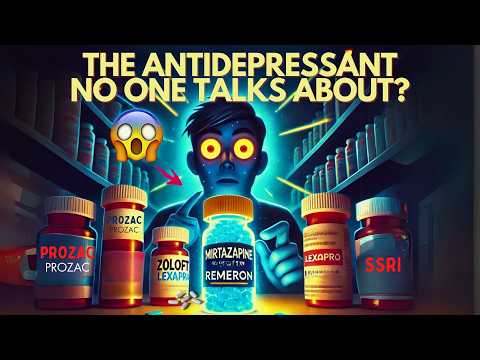
Hey there! So, let’s chat about something kinda intense today—mirtazapine and hallucinations. Sounds heavy, huh? But hang tight; it’s actually super interesting.
Mirtazapine is an antidepressant, and it can be a game changer for some people dealing with depression and anxiety. But you know what? It also has this weird side effect—hallucinations.
Yeah, that’s right! Picture someone who’s trying to feel better but ends up seeing or hearing things that aren’t there. It’s wild how these meds can sometimes throw a curveball like that.
So, let’s break it down together! We’ll explore what mirtazapine does, why hallucinations can happen, and how to navigate this tricky terrain in mental health. Sound good? Let’s get into it!
Understanding Hallucinations: The Effects of Mirtazapine on Mental Health
Understanding Hallucinations can feel like navigating a maze. They’re not just something out of a sci-fi movie; they can show up in real life, affecting how you perceive the world. Hallucinations are sensory experiences that seem real but occur without any external stimuli. You might see, hear, or even feel things that aren’t there. It’s like your mind playing tricks on you, making reality seem a bit skewed.
Now, let’s talk about Mirtazapine. This is an antidepressant often prescribed for major depressive disorder and anxiety. It works by balancing chemicals in your brain, especially serotonin and norepinephrine—think of them as mood stabilizers that help keep you feeling more «you.» But here’s where it gets interesting: Mirtazapine can have some unexpected side effects, including hallucinations.
You might be wondering how that even happens. Well, medications like Mirtazapine can alter brain chemistry in ways that lead some people to experience these sensory disturbances. For someone already dealing with mental health issues like schizophrenia or bipolar disorder, this could become a serious concern.
Imagine someone named Alex who started taking Mirtazapine for anxiety. At first, things seemed great—his mood lifted and he felt more relaxed. But after a few weeks, he began hearing whispers when no one was around and seeing shadows moving in the corner of his eye. These hallucinations really freaked him out and made him stop wanting to take his medication altogether.
So what should you know about the relationship between Mirtazapine and hallucinations? Here are some key points:
- Individual Reactions Vary: Not everyone will experience hallucinations while on Mirtazapine.
- Underlying Conditions Matter: People with pre-existing mental health issues may be at higher risk.
- Dosage Comes Into Play: Higher doses can increase the likelihood of experiencing side effects.
- Communication is Key: Always talk to your doctor if you notice any weird changes or symptoms.
If you’ve had hallucinations or are feeling unsure about your medication, reach out to a healthcare professional for guidance—they’re there to help! Remembering stories like Alex’s is crucial; they shed light on how important it is to monitor what’s going on when starting new meds.
Always keep in mind that mental health is sensitive territory; what works for one person might not work for another. So don’t hesitate to dig deeper into this complex topic with your doc—after all, understanding these nuances could be vital for your well-being!
Exploring the Link Between Mirtazapine and Altered Mental Status: What You Need to Know
Mirtazapine is one of those medications that can stir up a lot of conversations. You’ll often hear it thrown into the mix when talking about antidepressants. But there’s a twist here: it’s not just your typical happy pill. Some people find themselves experiencing altered mental status while on it. So, let’s break this down.
What’s Mirtazapine?
It’s an antidepressant that works differently from others like SSRIs. It actually boosts certain neurotransmitters in your brain, which can help with mood and sleep. But here’s where it gets interesting—some users report experiencing hallucinations or other changes in perception after starting this medication.
The Link to Altered Mental Status
When we talk about altered mental status, we’re referring to anything from confusion and agitation to more severe symptoms like hallucinations and delusions. People respond differently to medications, so what works for one may not work for another.
- Dosage Matters: The higher the dose, the more likely you might experience side effects like these.
- Younger Users: Teenagers and young adults are particularly susceptible to these kinds of reactions.
- Interactions: If you’re on other meds, those combos can mess with your brain chemistry in unexpected ways.
Imagine Sarah, a 28-year-old dealing with depression. She starts taking mirtazapine and feels better at first; her mood lifts and she sleeps through the night for once! But then she begins hearing whispers at night that seem all too real. Not cool, right?
Why Does This Happen?
The thing is, mirtazapine affects serotonin and norepinephrine levels in your brain—but everyone’s chemistry is different. Sometimes serotonin can lead to overstimulation in certain areas of the brain. In rare cases, that can manifest as hallucinations or paranoia.
Your Mental Health History
If you’ve got a history of mental health issues—like bipolar disorder or schizophrenia—be extra cautious with mirtazapine. Medications affecting your mind carry risks if you have any underlying conditions.
Some might wonder if they need to switch meds if these symptoms pop up. It’s crucial not to make any changes without chatting with a healthcare provider first! Snapping off mirtazapine abruptly isn’t usually recommended; they might suggest tapering down slowly instead.
Real talk: being honest about how you feel while on this drug is key for getting the right help sort of fast! If you’re experiencing odd thoughts or feelings, reach out to your doc quicker than a flash.
In summary, while mirtazapine provides relief for many suffering from depression or anxiety disorders, its link to altered mental states—like hallucinations—is something worth considering seriously before diving in headfirst. Always keep an open line with your healthcare team; they’re there for all those awkward but necessary chats about what’s going on inside your head!
Understanding Mirtazapine Hallucinations: Insights and Experiences from Reddit Users
Mirtazapine is an antidepressant that’s often prescribed for depression and certain anxiety disorders. It’s in the class of medications known as tetracyclic antidepressants. So, you might be wondering, what’s the deal with hallucinations? This isn’t super common, but some users on platforms like Reddit have shared their experiences.
First off, let’s clarify what hallucinations are. They’re basically sensory experiences that feel real but aren’t actually there. Imagine thinking you see something out of the corner of your eye and then realizing it’s just a shadow. That’s a mild example, but hallucinations can get way more intense.
Some Reddit users have reported weird experiences after starting mirtazapine. You might hear voices, see things that aren’t there, or feel like you’re in a different place altogether. For instance, one user mentioned how they started to see shadowy figures moving in their room at night after taking mirtazapine for just a week.
Now, it’s important to know that these experiences can be related to dosage or even interactions with other medications. If you’re on a higher dose or mixing it with other stuff, your brain might react differently than expected. As one user pointed out, when they lowered their dose from 30mg to 15mg, the hallucinations subsided significantly.
Withdrawal symptoms can also play a role if someone stops taking mirtazapine suddenly. You know how sometimes people say quitting cold turkey can mess with your head? That’s true! A few Redditors shared how stopping the medication led to intense dreams and visual disturbances that felt real and frightening.
Another aspect worth mentioning is the individual differences. Everyone’s brain chemistry is unique—what works for one person might not work for another. Some people felt sleepy but didn’t experience any negativity from the drug at all, while others had these unsettling visions just after starting their prescribed treatment.
You also have to consider the context of mental health itself. Sometimes, people who are already dealing with anxiety or depression may be more prone to experiencing hallucinations while on medication like mirtazapine because of their underlying conditions. Anxiety alone can make your mind play tricks on you!
If you’re ever faced with these kinds of issues while taking mirtazapine or any other medication, it’s wise to talk to your doctor or therapist about it—not just because it’s cool to share stories from Reddit but because they can help adjust your treatment plan if needed.
In summary:
- Mirtazapine is linked to possible hallucinations for some users.
- Dose adjustments may lead to changes in symptom intensity.
- Individual brain chemistry plays a big role in reactions.
- Underlying mental health issues may contribute as well.
Navigating medication can be tricky! If something feels off—like seeing shadows or hearing voices—don’t hesitate to reach out for help!
So, let’s chat a bit about mirtazapine and how it can sometimes connect with hallucinations. You know, mirtazapine is one of those medications that’s mainly used to treat depression and anxiety. It can help lift your mood and make you feel more stable. But like anything in the mental health world, it doesn’t always play nice.
I remember this time when a friend of mine started taking mirtazapine. She was super hopeful; finally, she thought she might get some relief from the weight of her depression. But then, out of nowhere, she started experiencing these weird visuals at night—like seeing shadowy figures creeping across her walls or hearing whispers that weren’t there. It was really unsettling for her, and I could see how much it freaked her out.
Now, hallucinations aren’t super common with mirtazapine but they can happen—especially if your dosage gets adjusted or if you’re taking other meds alongside it. The thing is that everyone’s brain reacts differently to these medications. Like, some folks may not have any side effects at all while others might hit a rough patch.
It’s crucial to keep an open line with healthcare providers when this kind of stuff happens. Sometimes it’s an indication that the meds need tweaking or maybe there’s something else going on altogether that’s causing those experiences.
So yeah, while mirtazapine can offer relief for many people, it’s not without its quirks and risks. Being aware of potential side effects like hallucinations can make all the difference in navigating your mental health journey more safely and effectively. And if you or someone you know does start experiencing things like this? Don’t hesitate to reach out for help—because no one should have to go through that alone!