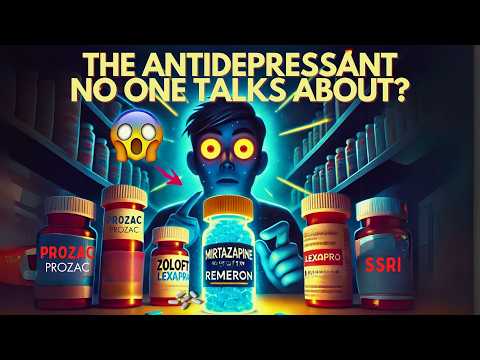
So, let’s chat about mirtazapine. Ever heard of it?
Yeah, it’s a medication, but it’s got some different names floating around depending on where you look. It’s like those secret code names people use at a party when they wanna talk about something without everyone knowing.
And honestly, understanding these alternate names can help you make sense of prescriptions or conversations with your doc.
I mean, we all want clarity on what we’re putting in our bodies, right? So, let’s break it down together in a super chill way!
Exploring Alternative Names for Mirtazapine: A Comprehensive Guide
Mirtazapine is one of those medications that can be a helpful ally when dealing with conditions like depression or anxiety. Sometimes, though, you might come across it under different names. Let’s break down what those alternative names are and why they matter.
First off, the most common alternate name for mirtazapine is **Remeron**. That’s the brand name you’ll see on the prescription bottle. It’s important to know this because if you’re talking to a healthcare provider or pharmacist, they might refer to it by its brand name.
Additionally, in some contexts, mirtazapine is also called **Mirtazapine Tablets** or simply **Mirtazapine Oral Tablets**. These are generic terms that describe the form of the medication but still point back to mirtazapine itself.
Another thing you might run into is the term **Remeron SolTab**. This refers to the orally disintegrating tablet form of mirtazapine. Basically, it dissolves in your mouth instead of needing water to swallow—that’s super handy for some people who have trouble with traditional pills.
So, why are there so many names? Well, different manufacturers might put their spin on branding this medication. Plus, using different names can help clinicians quickly understand exactly which version they’re discussing.
Here’s a quick round-up of key points about alternative names for mirtazapine:
- Remeron: The most common brand name.
- Mirtazapine Tablets: A generic description.
- Remeron SolTab: The dissolvable version.
It’s kind of like how soda can be called “pop” or “cola” depending on where you’re from; they all refer to similar products but in slightly different ways.
Having multiple names around can sometimes get confusing—especially if you’re discussing treatment options or looking up information online. Just remember: they’re all pointing back to that same medication designed to help improve mood and tackle other issues—so don’t stress if you see another name pop up!
If you ever have questions about what medication you’re taking or how it fits into your mental health journey, just reach out and ask your doctor or pharmacist. They’re there to help clear things up!
Understanding Mirtazapine: Uses, Benefits, and Effects on Mental Health
Mirtazapine is one of those medications that gets thrown around a lot in conversations about mental health. It’s mainly used to treat major depressive disorder, but you might hear people talking about it for other issues too.
How Does Mirtazapine Work?
So, here’s the thing. Mirtazapine is classified as an antidepressant, but it does things differently compared to some of the more common ones like SSRIs. Instead of just boosting serotonin levels, it affects other neurotransmitters like norepinephrine and histamine too. That’s partly why it can help with anxiety and sleep issues.
Uses of Mirtazapine
People usually take mirtazapine for:
- Major depressive disorder: This is its main gig. It helps lift the mood when you’re feeling really low.
- Anxiety disorders: Some folks find that it eases anxiety symptoms.
- Sleep disturbances: Because of how it works on histamine receptors, mirtazapine can help you catch some Zs, making it a good option for insomnia related to depression.
Benefits You Might Notice
Many people experience some pretty positive effects from mirtazapine:
- Increased appetite: If you’ve lost your love for food during depression, this medication often helps bring back your appetite.
- Better sleep quality: Since it can make you feel sleepy, many find they get more restful nights.
- Mood enhancement: Over time, users tend to feel less bogged down by their negative thoughts.
Here’s a little story: I remember chatting with someone who had been on mirtazapine for a few months. At first, they were super skeptical about trying another medication since they had been through several before without much change. But slowly, they started noticing small shifts—like feeling more energetic and actually wanting to hang out with friends again.
Potential Side Effects
But hey, let’s keep it real; no medication comes without potential side effects. Some folks may experience:
- Drowsiness:This can be great if you have trouble sleeping but might be an issue during the day if you’re not careful.
- Dizziness or lightheadedness:This sometimes pops up when standing up too fast or if caffeine kicks in while on the med.
- Weight gain:The increase in appetite can lead to gaining some extra pounds for some users.
It’s wild how different medications work differently for everyone! Always talk with your doctor about what you’re experiencing—they’re there to help tailor the treatment that’s best suited to you.
Mirtazapine Alternatives
If mirtazapine doesn’t seem like a fit after trying it out or if side effects outweigh benefits, there are alternatives available. Other medications targeting depression and anxiety exist; SSRIs like fluoxetine or sertraline are among them.
In short, understanding mirtazapine is all about knowing what it’s good at and what you might watch out for while taking it. It could very well lighten up those emotional storms you’re facing or help with getting better sleep—just remember to keep an open dialogue with your healthcare providers!
Exploring Effective Alternatives to Mirtazapine for Treating Depression
When looking at alternatives to Mirtazapine for treating depression, there are a few options you might want to consider. Mirtazapine is an antidepressant that helps some people but isn’t the best fit for everyone. You follow me? So, let’s explore a bunch of different avenues.
First off, it might be useful to look into another class of antidepressants called SSRIs, or Selective Serotonin Reuptake Inhibitors. They work by increasing serotonin levels in the brain, which can really help boost your mood. Some common SSRIs are Fluoxetine (Prozac), Citalopram (Celexa), and Sertraline (Zoloft). The thing is, they might take a few weeks to kick in, but many find them effective.
Another option could be SNRIs, or Serotonin-Norepinephrine Reuptake Inhibitors. These babies not only target serotonin but also norepinephrine. This can be seriously helpful if you feel more than just sadness; if you’re also dealing with fatigue and lack of motivation. Medications like Duloxetine (Cymbalta) and Venlafaxine (Effexor) are in this category.
Then we got some atypical antidepressants too! Take Bupropion, for example—it’s known for being different from the usual suspects. It’s particularly popular for those who want to avoid weight gain or sexual side effects, both of which can happen with other meds. Plus, it’s also used sometimes to help quit smoking.
And let’s not forget about therapy! Sometimes it’s not about finding a new pill but diving into talk therapy options like Cognitive Behavioral Therapy (CBT). This kind of approach helps you tackle negative thought patterns head-on and can improve your mood without needing medication at all.
Oh, and speaking of alternatives, there are also pretty interesting approaches like using herbal supplements or natural treatments. Things like St. John’s Wort have been used for ages but don’t skip talking with your doc first because they could mess with other meds.
In any case, remember that everyone reacts differently to medications and therapies—what works wonders for one person might not do much for another. It’s super important to keep an open line of communication with your healthcare provider about what you’re experiencing.
So yeah, don’t feel tied down by Mirtazapine if it doesn’t vibe well with you! There are plenty of other paths to explore in tackling depression that could potentially make a huge difference in how you feel day-to-day.
Alright, so let’s chat about mirtazapine for a sec. You might know it as Remeron, which is its brand name. But the thing is, it gets tossed around in different contexts, and that can be a little confusing.
Picture this: a close friend of mine struggled with anxiety and depression for years. When they finally got on mirtazapine, they mentioned how it felt like the fog was lifting. Seriously, I could see the change in their energy levels and mood. It’s prescribed mostly for depression but can help with anxiety too.
In mental health circles, you might hear it referred to as an “atypical antidepressant.” Sounds all fancy but let’s break that down: it just means it works differently than your usual SSRIs like Prozac or Zoloft. Mirtazapine primarily boosts norepinephrine and serotonin levels, giving someone that extra push they need to feel more like themselves.
People also talk about this med in terms of its sedative effects. Some folks find that one of the perks is better sleep! Can you imagine? For someone who has tossed and turned every night for years, being able to rest easy feels like a freaking miracle.
But hey, not everything’s sunshine and rainbows! Just like any other medication, it has side effects—weight gain being one of the biggest concerns. So you gotta weigh the pros and cons when considering medication options.
In conversations about mental health meds or even therapy options often these alternative names pop up; they’re an integral part of navigating treatment plans. The goal is to find what works best for each person. Everyone’s different.
So yeah, next time you hear someone mention mirtazapine or Remeron in passing at a dinner party or online chat forum, remember it’s all tied up in helping people feel better when life gets heavy. It can really change lives—like my friend’s experience shows us—but everyone’s journey with mental health is unique!