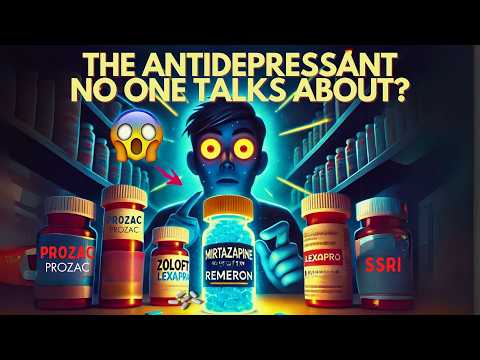
So, let’s chat about mirtazapine, or you might have heard it called Remeron. It’s one of those medications that people often discuss when they’re looking into mental health treatments.
You know how some days can feel a bit like you’re running on empty? Well, that’s where this little pill comes into play. It’s not just about feeling better; it’s about finding balance and stability in your life.
But hey, there’s a lot more to it than just taking a tablet and calling it a day. There are reasons why it might be the right fit for some folks and not for others.
Stick around—let’s break it down together!
Understanding Remeron: Uses and Benefits for Mental Health Treatment
Mirtazapine, also known by its brand name Remeron, is an antidepressant that’s often used to treat conditions like depression and anxiety. You know, sometimes life throws a lot at us, and we just don’t feel like ourselves. That’s where Remeron comes in.
How It Works
So, here’s the deal: Remeron works by affecting brain chemicals that are linked to moods. It’s classified as an atypical antidepressant. What this means is it alters the levels of certain neurotransmitters—primarily serotonin and norepinephrine. This can help lift your mood and even improve your sleep.
Uses in Mental Health Treatment
A big reason why doctors prescribe Remeron is for major depressive disorder. If you’ve been feeling down for an extended period, it could be something to consider.
Also, it’s sometimes used for:
But remember, everyone reacts differently to medications. What works wonders for one person might not be as effective for another.
The Benefits
Now let’s talk about why some people find Remeron helpful:
First off, it’s quite effective for improving your mood. Many users report feeling less hopeless or empty after starting treatment with it.
Another cool thing? It can really help with sleep disturbances too. Have you ever laid awake at night with racing thoughts? The sedative effects can help calm your mind so you can actually get some rest.
Side Effects and Considerations
Of course, no medication is without its quirks. Common side effects may include:
It’s crucial that you discuss these aspects with your healthcare provider before diving into any treatment plan involving Remeron.
Anecdote Time!
There was this guy I knew named Mark. He had been battling depression for years and tried several meds without much luck. After starting Remeron, he noticed things weren’t so gray anymore—he even started painting again! Sometimes just that little spark of creativity can make all the difference in the world.
Everyone’s journey through mental health treatments is unique, much like Mark’s experience shows us. Connecting with a healthcare professional will always give you the best shot at finding what works for you individually!
In summary, Mirtazapine (Remeron) has its place in mental health treatment as an antidepressant that not only helps elevate mood but also aids sleep—a two-for-one deal! Just keep in mind the importance of discussing options with your doctor to find what suits you best!
Understanding Mirtazapine Side Effects: What You Need to Know for Mental Health
Mirtazapine, also known as Remeron, can be a helpful medication for people dealing with depression and anxiety. But just like any other drug, it comes with its own set of side effects that you should be aware of. The thing is, understanding these side effects can really help you make informed decisions about your mental health.
Common Side Effects
When starting mirtazapine, some of the common side effects you might notice include:
- Weight Gain: A lot of folks find they gain weight while on mirtazapine. This can feel frustrating if you’re already struggling with body image issues or your self-esteem.
- Increased Appetite: Many people report feeling hungrier than usual. It’s like the snack cravings hit a new level!
- Drowsiness: You might feel more sleepy or lethargic, especially when you first start taking it. If you’re one to crash early on Netflix, this could lead to some interesting nights.
- Dizziness: Some experience dizziness or lightheadedness when standing up quickly. It’s like that moment after getting up from a long gaming session—your head spins!
- Dry Mouth: This one’s annoying but manageable. Sipping water or chewing gum often helps.
These side effects might sound tough to handle. I remember talking to a friend who started taking mirtazapine after feeling overwhelmed by life. At first, the drowsiness made it hard for her to keep up with daily tasks—but once she adjusted her routine and knew what to expect, things got way better.
Less Common Side Effects
There are also some less common side effects that are important to know:
- Poor Coordination: Some might find themselves feeling a bit clumsier than usual.
- Panic Attacks: While mirtazapine helps many, a few individuals report an increase in anxiety symptoms.
- Bizarre Dreams: Vivid dreams may become part of the package; some people love them while others find them unsettling.
It’s super important to keep an open line of communication with your doctor about how you’re feeling throughout this journey because these less common side effects can impact your daily life differently.
Tolerance and Withdrawal
If you’ve been on mirtazapine for a while and want to stop, never just quit cold turkey without talking to your therapist or doctor first! It’s key because stopping suddenly can lead to withdrawal symptoms—like nausea, mood swings, or insomnia—that aren’t fun at all.
You know how life can throw curveballs? Well, if you’re dealing with mental health challenges and mirtazapine isn’t working out for you due to side effects or any other reason, there are usually alternative meds available. Just be proactive in discussing options!
The Takeaway
Ultimately, mirtazapine can be effective but comes with potential side effects worth keeping in mind. Listening to your body and getting the right support is crucial as you navigate through mental health treatment! So stay informed and don’t hesitate to reach out—not just because it matters but because **you matter**!
Effective Combinations with Mirtazapine for Managing Anxiety: What You Need to Know
Mirtazapine, also known as Remeron, is an antidepressant that can be pretty helpful for managing anxiety. It works by changing the balance of chemicals in your brain. Now, you might be wondering how to make it even more effective. Well, combining mirtazapine with other treatments can sometimes lead to better results.
First off, let’s talk about therapy. Pairing mirtazapine with cognitive-behavioral therapy (CBT) is a solid combo. CBT helps you change negative thought patterns, which can be super helpful if you’re dealing with anxiety. Imagine that moment when your therapist helps you see a situation in a new light—totally eye-opening!
Diet and lifestyle changes can also play a role here. Some people find that maintaining a balanced diet and regular exercise helps enhance the effects of medication like mirtazapine. Seriously, I once heard about this guy who started jogging regularly while on meds and noticed he felt way better overall. It’s all connected, right?
Then there are supplements like omega-3 fatty acids or magnesium that some folks consider adding to their routine. They may support brain health and could potentially work well with mirtazapine for reducing anxiety symptoms.
Of course, working closely with your healthcare provider is crucial here. They’ll help you find the right mix of treatments based on your unique situation. Never hesitate to reach out if something feels off or just doesn’t sit right with you.
Also, keep in mind that some people might experience side effects from mirtazapine alone or in combination with other treatments—things like drowsiness or weight gain can pop up. Monitoring these effects and adjusting as necessary is part of the process.
Lastly, it’s important not just to rely on medication alone but rather see it as one piece of the puzzle in managing anxiety effectively.
In summary:
- Cognitive-behavioral therapy (CBT): A great partner for mirtazapine.
- Diet and exercise: Can enhance medication effectiveness.
- Supplements: Omega-3s or magnesium may help.
- Work closely with your provider: They guide you through adjustments.
- Monitor side effects: Adjust treatments as needed.
So yeah, it’s all about finding what works best for you while keeping communication open with those helping you along the way!
So, let’s chat about Mirtazapine, or you might know it better as Remeron. This medication is often prescribed for depression and sometimes for anxiety, too. But here’s the catch: like with any treatment, it’s not a one-size-fits-all solution.
I remember when a friend of mine was going through this tough season in life. She’d tried a bunch of different meds with little success. Then her doc suggested Mirtazapine. Honestly, she was skeptical at first—who wouldn’t be? But, after giving it some time, things started to shift for her. She felt less weighed down by that heavy cloud of sadness and could finally enjoy her favorite things again, like going out for coffee or hanging with friends.
Mirtazapine works a bit differently than other antidepressants. It boosts certain neurotransmitters in the brain—specifically norepinephrine and serotonin—which are big players in mood regulation. But what’s interesting is that it also has histamine-blocking effects which can make people feel drowsy. This can be a blessing for those who have trouble sleeping due to their anxiety or depression.
But let’s keep it real: it’s not all sunshine and rainbows. Some folks experience side effects like weight gain or increased appetite, while others might feel groggy during the day if they take it at night. So finding the right dosage can be a bit of a balancing act.
It’s also super important to pair any medication with talk therapy or lifestyle changes because mind and body are so connected—you dig? It’s not just about popping pills; it’s about understanding yourself better, finding coping mechanisms, and maybe even leaning on support networks.
All in all, Mirtazapine can play an important role in someone’s mental health journey but it really depends on the individual. No two stories are the same! If you’re considering it or know someone who is thinking about trying it out, just remember that communication with healthcare providers is key—like keeping them in the loop about how you’re feeling and any side effects that pop up.
That said, it’s always good to approach your own mental wellness journey with curiosity rather than fear—you’re not alone in this!