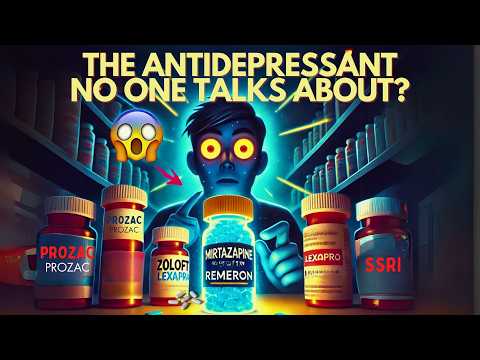
So, let’s chat about something that comes up a lot in mental health talk—medications. You know, the stuff that can sometimes feel like a maze?
First off, there’s this interesting combo: Mirtazapine and SSRIs. They’re both used to help with things like depression and anxiety. But they do their job in kinda different ways, which can be super confusing.
I mean, have you ever felt like your brain has a mind of its own? Trust me, you’re not alone in that. Figuring out what works best for you can be a journey.
Let’s break it down together and see how these meds fit into the bigger picture of feeling better. It might just help clear things up!
Is Combining SSRIs and Mirtazapine Safe? Exploring the Effects and Considerations
When it comes to combining medications like SSRIs (Selective Serotonin Reuptake Inhibitors) and mirtazapine, the first thing you should know is that it’s a pretty common topic in mental health treatment discussions. Loads of people wonder if mixing these two types of meds is safe or effective, so let’s break it down.
SSRIs work by increasing serotonin levels in the brain, which can help with depression and anxiety. Mirtazapine, on the other hand, works a bit differently. It also affects serotonin but mainly boosts norepinephrine. So putting them together might sound like a good idea since they tackle similar problems in different ways.
Now, the safety of combining these two really depends on several factors:
- Your personal health history: If you’ve had bad reactions to medications before, you definitely need to chat with your doctor about this.
- The dosages involved: Sometimes doctors prescribe lower doses of both to minimize side effects while still getting benefits.
- Your overall mental health diagnosis: If you’ve got more than one issue going on—like depression plus anxiety—the combination might work better for you.
- Possible side effects: Mixing these drugs can increase the risk of side effects such as drowsiness or weight gain. So keep an eye out for how your body reacts.
But here’s a little story: I once knew someone who struggled with depression and anxiety; their doctor suggested adding mirtazapine to their SSRI regimen because they weren’t finding enough relief. Initially, they were nervous—who wouldn’t be? But after monitoring closely with their doc and adjusting dosages carefully, they found real improvement in their mood and sleep patterns. It went way better than they expected!
That said, it’s crucial to work closely with your healthcare provider when dealing with any medication changes. They can monitor for things like serotonin syndrome—a rare but serious condition that can happen when too much serotonin builds up in your system.
So basically, combining SSRIs and mirtazapine *can* be safe under proper medical guidance; just make sure you’ve got a solid plan in place with your healthcare team. Keep open lines of communication about what you’re experiencing—don’t hesitate to voice any concerns!
Exploring the Safety and Efficacy of Combining Zoloft and Mirtazapine for Mental Health Treatment
When it comes to mental health treatments, sometimes doctors mix medications to get the best results. One combo that pops up a lot is Zoloft (an SSRI) and Mirtazapine. Let’s break down what that means for you.
First off, Zoloft is a selective serotonin reuptake inhibitor (SSRI). It’s mainly used to treat depression and anxiety. What it does is increase serotonin levels in your brain, which helps boost your mood. It’s kind of like giving your brain a little pick-me-up.
On the flip side, Mirtazapine works differently. It’s actually an atypical antidepressant, and it helps with depression too, but mostly by affecting norepinephrine and serotonin levels in a unique way. Some people find it helps them sleep better or increases their appetite—could be really helpful if you’re feeling down and not eating well.
Now, combining these two can sound like a good idea for some folks. Here’s why:
- Enhanced Effects: Sometimes one medication alone isn’t enough to tackle depression or anxiety fully. Pairing Zoloft with Mirtazapine can provide a more rounded approach.
- Side Effect Management: Mirtazapine might help balance out some side effects of Zoloft, like insomnia or low appetite.
- Dosing Flexibility: Doctors may use this combo to adjust dosages more effectively until they find what works best for you.
But hold on a second! Just because it sounds good doesn’t mean it’s safe for everyone. As with any medication mix, there are risks involved:
- Serotonin Syndrome: This is something you’ve probably heard about—when there’s too much serotonin in your system. Symptoms can include confusion, rapid heart rate, and tremors.
- Increased Side Effects: While mixing can sometimes reduce side effects from one med, it can also make them worse. You might end up feeling drowsy or dizzy depending on how your body reacts.
- Lack of Research: Not everyone has been studied on this combo extensively. So if you’re not typical in some way (like age, other health conditions), things could be different for you.
Here’s something personal: I remember having a friend who struggled with anxiety and depression. She was on Zoloft but still felt pretty low energy and wasn’t sleeping well at all. After chatting with her doctor about Mirtazapine as an add-on, they decided to give it a shot together. It wasn’t instant magic—there were bumps along the way—but they eventually found the right balance that helped her feel more like herself again.
In short, the combination of Zoloft and Mirtazapine isn’t uncommon—and many people do find relief this way! But remember: always consult with your healthcare provider before mixing medications so they can monitor you closely for any weird reactions or symptoms. It’s important to have that safety net while figuring out what works best for you!
Combining Lexapro and Mirtazapine: What You Need to Know for Mental Health Management
Combining medications for mental health can feel a bit overwhelming, especially when it comes to drugs like Lexapro and Mirtazapine. Both are used to treat different aspects of mental health conditions, so let’s break down how they work together.
Lexapro, or Escitalopram, is a selective serotonin reuptake inhibitor (SSRI). It increases serotonin levels in the brain, which helps with things like anxiety and depression. You might find that it lifts your mood over time.
On the other hand, Mirtazapine works a bit differently. It’s classified as a noradrenergic and specific serotonergic antidepressant (NaSSA). It not only boosts serotonin but also works on another neurotransmitter called norepinephrine. So, if you’re struggling with both anxiety and sleep issues or appetite problems, Mirtazapine might help with that too.
Sometimes doctors will prescribe these two together. Why? Well, the combination can be more effective than either drug alone for some people. This combo can tackle various symptoms better than one medication could on its own.
But like anything else, there are a few things to keep in mind:
- Side Effects: Mixing these drugs can increase the risk of side effects like drowsiness or weight gain.
- Dosing: Your doctor will likely start you off with lower doses of each medication and adjust them as needed.
- Monitoring: Regular check-ins with your healthcare provider are essential when you’re on multiple meds.
- Individual Reactions: Everyone reacts differently to medications; something that works wonders for one person might not do much for another.
- Tapering Off: If you ever need to stop taking one or both medications, make sure you talk to your doctor about how to safely taper off.
I remember a friend who was prescribed Lexapro for anxiety but still felt low energy and had trouble sleeping at night. Her doctor suggested adding Mirtazapine after assessing her overall symptoms. Over time, she noticed not just an improvement in her mood but also slept better and had more energy during the day.
Remember, it’s super important to have open conversations with your healthcare provider about how you’re feeling on these medications. Combining treatments can be complex but finding what works best for you is totally doable! Just hang in there; it’s all about finding that right balance for your mental health journey.
Alright, so let’s chat about mirtazapine and SSRIs when it comes to mental health treatment. You know, a lot of folks find themselves faced with tough choices when it comes to medication. And it can get pretty overwhelming trying to figure out what’s right for you or someone you care about.
Mirtazapine is kind of its own thing among antidepressants. Unlike SSRIs, which are like the go-to options for treating depression and anxiety—think of them as the classic rock of meds—mirtazapine works differently. It operates on various neurotransmitters, not just serotonin. This can lead to some unique effects, like increased appetite and sedation. I’ve heard stories from people who found relief with mirtazapine when SSRIs didn’t quite do the trick.
But here’s the kicker: everyone’s experience is different. A friend of mine tried an SSRI to tackle her anxiety, and while at first it seemed great, she soon felt super jittery and couldn’t sleep well at all. Then her doc switched her to mirtazapine after realizing she needed something that wouldn’t ramp up her anxiety even more. And wow, what a difference! She finally started sleeping better and felt more relaxed in general.
That said, mirtazapine isn’t without its quirks either—some folks gain weight unexpectedly or feel kind of groggy during the day. This makes picking the right med pretty tricky because you have to balance benefits against potential side effects.
SSRIs can keep you feeling steadier by boosting serotonin levels but sometimes they come with their own baggage too: like sexual dysfunction or emotional blunting. That’s why having an open conversation with your doctor is so crucial—you want to find what helps you personally.
At the end of the day, figuring out these medications feels a little like a game of trial and error, doesn’t it? You try one thing; if it doesn’t work out, you move on to another option until something clicks for you. And sometimes all that back-and-forth can feel really frustrating.
So whether it’s mirtazapine or an SSRI you’re considering, know that you’re not alone in this journey—there’s support out there! Finding a med that works for you is all about patience and persistence…and maybe just a little bit of luck along the way!