You know that feeling when you just can’t quite put your finger on what’s going on inside your head? Like, sometimes it’s overwhelming, right?
Well, there’s this tool called the MMPI that can really help out. It’s like a mental health detective. Seriously.
Think of it as a giant quiz that dives into your thoughts and feelings. But it does way more than just scratch the surface.
Whether you’re figuring stuff out in therapy or getting assessed for something specific, the MMPI gives some pretty cool insights.
Let’s take a closer look!
Understanding the MMPI: Its Role and Applications in Psychology
The MMPI, or Minnesota Multiphasic Personality Inventory, is like that friend who knows you really well—like, maybe a bit too well! It’s a psychological assessment tool widely used in the field of psychology to help understand a person’s mental health and personality traits. You can think of it as a detailed questionnaire that digs deep into your thoughts, feelings, and behaviors.
So, what does the MMPI do? Well, it measures various psychological conditions by examining multiple scales. Each scale targets different aspects of personality and psychopathology. Here are some key applications:
- Diagnosis: Clinicians often use the MMPI to help diagnose mental health disorders. For example, someone presenting with symptoms of anxiety might take the test to see if underlying issues like depression might be at play.
- Treatment Planning: The results from the MMPI can guide therapy. Let’s say a person scores high on certain scales; this insight helps therapists tailor their approach specifically to that individual.
- Research: Researchers frequently use it in studies to gather data on various psychological phenomena. This research helps enhance our understanding of mental health as a whole.
Now here’s a quick story for you: Imagine Sarah, who constantly feels anxious and struggles in social situations. After discussing her concerns with her therapist, she takes the MMPI. The results reveal not just anxiety but also hint at underlying traits linked to avoidance styles. Knowing this helps her therapist adjust their sessions to focus more on confronting fears and building confidence.
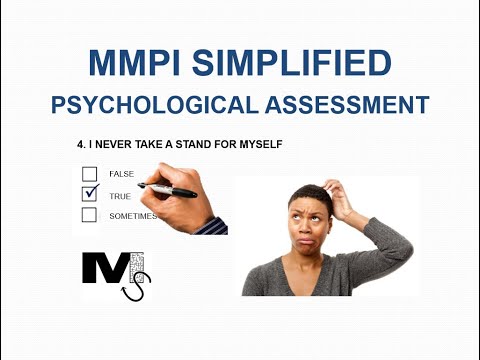
The structure of the MMPI is pretty interesting too! It consists of true/false statements that respondents answer honestly (or at least try to). A higher score on certain scales could indicate more severe issues or traits worth exploring further during therapy.
Another cool thing about the MMPI is its validity measures—these check if someone is answering truthfully or trying to fake good or bad responses. You know how sometimes people want to look better than they are? Yeah, this test can catch that kind of stuff.
Some people might feel nervous about taking such extensive assessments. They might worry about what their results will say about them. But remember—it’s just one piece of the puzzle! The MMPI shouldn’t define someone; it helps inform understanding.
In terms of administration, professionals usually give it in a controlled setting—like an office—often with follow-up discussions after scoring it up. This makes sure any lingering questions get answered without leaving anyone feeling lost or misunderstood.
To wrap things up: The MMPI is vital for psychological assessment and treatment planning—it reveals so much about us! From diagnosing disorders to shaping therapies based on individual needs, this tool remains essential in clinical settings today.
If you ever encounter it during your own journey or someone else’s, you’ll now have some insight into how powerful this little test can be!
Unlocking Insights: Understanding MMPI Therapy and Its Benefits for Mental Health
The MMPI, or Minnesota Multiphasic Personality Inventory, is one of those tools that really helps when it comes to understanding mental health. You can think of it as a kind of personality quiz, but way more in-depth and scientifically backed. It’s often used in therapy to get a clearer picture of someone’s psychological state.
So, what exactly does the MMPI do? Well, it consists of a series of true-or-false statements that people answer. The way they respond gives therapists hints about their emotional well-being, personality structure, and even possible mental health conditions. It’s been around since the late 1930s and has undergone multiple revisions to ensure it’s up-to-date with current psychological knowledge.
When you take the MMPI, you may be surprised by how much it covers. It looks at things like:
And here’s the thing: many people find that just answering those questions helps them reflect on their own thoughts and feelings. I remember a friend telling me how when they took the MMPI, they started connecting dots about themselves they’d never noticed before. They had struggled with anxiety but didn’t quite understand why until they saw how certain patterns appeared in their responses.
The benefits for mental health are significant. Therapists can use the results to tailor treatment plans better suited for you as an individual. For example, if someone scores high on anxiety-related items, their therapist might focus on anxiety management techniques more intensely than they would for someone without those issues.
Also, because it’s standardized—meaning it’s tested across many different groups—therapists can compare your results to larger populations. This adds a layer of accuracy that’s pretty helpful when making assessments about what you’re going through.
Now, some folks worry about privacy or feel weird about sharing personal information with tests like this. That’s totally understandable! But remember, therapists are trained professionals who handle your information sensitively and ethically.
All in all, using the MMPI in therapy isn’t just about filling out a questionnaire; it can really open doors for understanding yourself better. You might find that once you’ve got that insight into your patterns or behaviors, working through challenges feels less overwhelming—or at least gives you clearer direction on where to start.
So if you’re thinking about exploring this type of assessment in therapy—especially if you’re feeling stuck or confused—the MMPI could be worth considering!
Understanding the MMPI: Key Uses and Insights into Mental Health Assessment
The MMPI, or the **Minnesota Multiphasic Personality Inventory**, is like a big personality test that helps mental health professionals understand you better. It’s one of the most widely used tools for assessing psychological conditions. So, here’s the lowdown on what it is and how it’s used.
First off, the MMPI was first developed way back in the 1940s. Crazy, right? But it’s still around today because it’s really effective. The test includes **567 true-or-false questions** about your thoughts, feelings, and behaviors. Because there’s a lot of info packed in there, it can take a couple of hours to finish.
Key Uses:
- Diagnosis: Therapists often use the MMPI to help identify mental health disorders like depression, anxiety, or personality disorders. It pinpoints specific problems that might need attention.
- Treatment Planning: Based on what comes up in your results, therapists can tailor their approach to fit your unique needs. It’s like customizing a playlist for your therapy sessions!
- Progress Monitoring: You can retake the MMPI over time to see if therapies are working. If you’re feeling better or worse, those scores can really tell the story.
But what makes the MMPI particularly interesting is how it measures different dimensions of personality and psychopathology. It has various scales that help assess everything from **hypochondria** (worrying too much about health) to **social introversion** (feeling awkward in social situations).
Oh! And I should mention **validity scales**, too. These are essential because they check if someone’s being honest or trying to present themselves in a certain way—like if they’re trying to look better than they feel or vice versa.
Here’s something cool: when I took the MMPI for fun (yes, fun!), I remember feeling a bit nervous about how my results would come out. But after chatting with my therapist about them, I realized it was less about scoring well and more about understanding myself better—what I struggled with and where I thrived.
How reliable is this thing? Well, it’s been tested countless times over decades so you could say it’s pretty consistent! Yet it’s important not to rely solely on this test; it’s just one part of the bigger puzzle when it comes to understanding someone’s mental health.
In summary, the MMPI isn’t just some random quiz you find online; it holds serious weight in psychology circles for diagnosing and treating mental health issues. Whether you’re struggling with something specific or just wanting to learn more about yourself, this tool offers valuable insights that could benefit anyone’s therapy journey.
The MMPI, or Minnesota Multiphasic Personality Inventory, is like that friend who spills the tea about your personality when you don’t even realize it. Seriously, it’s been around for decades and is still one of the go-to tools for psychologists trying to figure out what’s going on in someone’s head.
I remember when a close friend of mine went through a rough patch. She was feeling super anxious and didn’t know why. Her therapist suggested she take the MMPI as part of her assessment. At first, my friend was like, “What even is this?” But after diving into those questions — some felt odd, others super insightful — she started to see connections between her responses and her emotional struggles. It was almost like holding up a mirror to her inner self.
The beauty of the MMPI lies in its ability to pinpoint personality traits and emotional functioning. You answer a bunch of true-or-false questions about yourself, and then this massive scoring system analyzes it all. It’s wild how nuanced it can be! The results help therapists develop a picture of who you are. They can identify potential mental health issues and shape treatment plans tailored just for you.
But here’s where things get interesting: while the MMPI does provide valuable insights, it shouldn’t be seen as the be-all-end-all. Just because you score high on certain scales doesn’t mean you’re doomed or perfect; it’s just one piece of the puzzle that helps paint a bigger picture.
And honestly? Sometimes folks get nervous about taking assessments like this. It feels invasive or judgmental — but really? It’s more about understanding than labeling you with some boxy title. My friend learned so much from her results that she could talk more openly with her therapist about what was really going on underneath all those layers of anxiety.
So yeah, if you’re ever faced with an MMPI in therapy, think of it as a tool rather than a test. It’s not there to judge; it’s there to help guide you through all that emotional noise we experience sometimes. And if anything, remember that your story doesn’t end at those results—it actually opens things up for deeper healing and understanding!