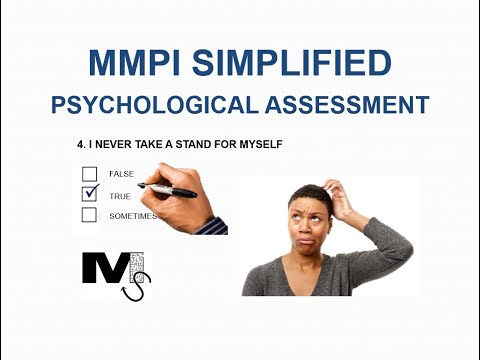
So, you’re curious about the MMPI test, huh? Well, it’s not just some boring questionnaire. It’s like a deep dive into your mental landscape. Seriously!
You know when you have those days where everything feels a bit off? The MMPI can help pinpoint what’s going on. It’s a big deal in mental health assessments.
Imagine getting insights about yourself that you never really thought about before. Sounds pretty cool, right? Whether you’re feeling anxious, unsure, or just want to understand yourself better, this test might be worth your time.
Let’s break it down together!
Understanding MMPI Test Costs: What to Expect for Online Administration
Sure, let’s break it down.
The MMPI, or Minnesota Multiphasic Personality Inventory, is like a psychological tool that helps professionals assess mental health issues. Think of it as a lengthy questionnaire that dives deep into your personality and emotional functioning. Now, if you’re considering taking this test online, you might be wondering about the costs involved.
First off, the **cost of taking the MMPI online can vary widely**. Prices usually range from about $50 to $150. This depends on a few things:
- Provider: Different institutions or platforms charge different rates based on their services.
- Administration Format: Some might offer additional support or interpretation of your results, which can bump up the price.
- Insurance Coverage: Sometimes insurance will cover part of the cost if it’s linked to a specific treatment plan.
When you opt for an online administration, you generally get immediate access to the test after payment. This can be super convenient because you can take it whenever you want—no need to schedule hard-to-get appointments.
Now, about **what happens after you take the test**: Once you’ve completed it, a trained professional will analyze your responses. The results usually take some time to come back—this could range from a few days to a couple of weeks—depending on how quickly your provider processes them.
You also might wonder about **the reliability of online tests** compared to in-person ones. Honestly? They’re pretty much on par if administered correctly by licensed professionals. It’s just essential that you’re taking it through a reputable source.
And here’s something important: make sure you’re in a comfortable environment when taking the test. You know, somewhere free from distractions? Your mood and mindset can totally influence how honestly and accurately you answer those questions.
Finally, just keep in mind that while the MMPI offers valuable insights into your mental health, it’s not an end-all-be-all solution. It’s one part of understanding yourself better and should ideally be paired with personal assessments by mental health professionals.
So yeah, there’s definitely some investment involved in taking the MMPI online, but what’s good is that you’re taking an active step towards understanding your mental health better!
Discover the Best Mental Health Screening Tools for Accurate Assessment and Support
When it comes to figuring out what’s going on in your head, having the right tools is super important. Mental health screening tools are those nifty questionnaires and tests designed to help catch emotional or psychological issues early. They can guide you or a healthcare provider toward what kind of support might suit you best.
One widely known tool is the MMPI, which stands for the Minnesota Multiphasic Personality Inventory. It’s not just some random quiz you find online; it’s been around since the late 1930s, and there’s a ton of research backing it up. Basically, this test helps identify personality structures and psychopathologies. You’ll answer a variety of statements—some may seem odd, but trust me, they’re all designed to give insight into your mental processes.
Now, you might wonder how accurate such tests can be. Well, the MMPI is pretty reliable when it comes to assessing conditions like depression, anxiety, or even more serious issues like bipolar disorder or schizophrenia. But here’s the thing: it’s not just about scores; it needs to be interpreted by a qualified professional who knows their stuff.
Aside from the MMPI, there are other screening tools too:
- Beck Depression Inventory (BDI): This one focuses specifically on measuring depression levels through self-reporting.
- Generalized Anxiety Disorder 7-item scale (GAD-7): A quickie for anxiety evaluation that helps gauge how anxious you’ve really been feeling.
- Patient Health Questionnaire-9 (PHQ-9): Primarily used for depression screening but also digs into how symptoms have impacted your daily life.
And these assessments aren’t just for professionals only! You can usually take them online through various mental health platforms if you’re looking for some insights right away. Just remember: these screenings aren’t replacements for in-depth evaluations or therapies. They’re more like signposts along your mental health journey.
Speaking of journeys—let me tell ya about a friend of mine who took an MMPI test because he was feeling off but wasn’t really sure why. After getting his results interpreted by a psychologist, he realized he had some unresolved childhood issues affecting his adult relationships. Crazy how something as simple as a questionnaire opened up that dialogue!
So yeah, if you’re considering using these tools either for yourself or someone close to you, know they can provide valuable insights—but make sure to follow up with a therapist or counselor to explore those findings further. The path towards better mental health often requires understanding what’s beneath the surface!
Understanding the Limitations: Why the MMPI Is Not Available Online
The MMPI, or Minnesota Multiphasic Personality Inventory, is like a deep dive into someone’s psychological well-being. It’s been around since the late 1930s and is widely used by mental health professionals. But you might wonder: why can’t you just take it online? Well, let me break this down for you.
First off, the MMPI is a structured assessment that requires trained professionals to interpret the results accurately. You can’t just throw on a website and expect it to spit out your personality profile. The thing is, accurate interpretation of the MMPI needs a solid understanding of psychology and access to context about your personal history. Without that, even the most accurate answers could be misleading.
Additionally, there’s this whole aspect of confidentiality and security. Mental health assessments can reveal sensitive information about someone’s emotional state or past experiences. If it were available online without proper safeguards, there could be serious risks regarding data privacy. Imagine sharing your deepest insecurities on a public forum; yeah, not cool.
Another factor is standardization. The MMPI has been rigorously tested across various demographics to ensure its reliability and validity. If people were allowed to fill it out online without proper controls, the results would be hard to compare with established norms. Basically, you’re messing with something that works when you go off-script like that.
Also worth mentioning is the issue of follow-up support. When taken in a clinical setting, therapists can provide immediate feedback and guidance based on the results. This isn’t just about answering questions; it’s about understanding what those answers mean for your mental health journey. Taking it online may leave you hanging if something serious comes up in your responses.
Finally, while using an online format might seem convenient—especially in our busy lives—it strips away that human connection that’s so crucial in therapy. It’s not just about answering questions; it’s about having someone who understands and can help process those answers with you.
So yeah, while it might be super tempting to think you could just chill at home and tackle the MMPI online like some kind of personality quiz, there are real world reasons why that’s not happening anytime soon! You’re dealing with complex stuff here—better left in capable hands rather than Google’s search bar!
You know, the MMPI, or the Minnesota Multiphasic Personality Inventory, kinda pops up a lot when we talk about mental health assessments. It’s like this big deal in psychology circles. People often wonder if taking it online is as effective as doing it in person. So, let’s break it down a bit.
First off, the MMPI’s been around since forever—it’s got this solid reputation for helping get a clearer picture of someone’s personality and mental health. When you take it online, you can really do it at your own pace. That means if you need a minute to think about how you feel or remember some details about your experience, that’s totally cool.
I remember my friend Sam telling me how nervous he was before going to see his therapist for the first time. It felt like such a big step! But then he found out he could take some assessments online before they even met. It made him feel more relaxed. He could just chill in his own space and answer honestly without all that pressure of eye contact or sitting in an office.
But here’s the thing: while online tests can be super convenient, they do need to be used with caution. There are all those nuances and subtleties that come up in face-to-face interactions that an algorithm just might miss. If you’re answering questions on a screen without someone there to clarify things or ask deeper questions, there might be some gaps in understanding your full story.
And let’s not forget about the importance of context! The way we answer those questions can change based on our mood or environment at that moment. So if you’re taking the MMPI online while you’re feeling kinda off or distracted? Well, that might affect how your results come out too.
So yeah, the MMPI online definitely offers some benefits—like accessibility and comfort—but it shouldn’t completely replace personal interaction with a mental health professional when possible. For true effectiveness with assessments, it’s always best when technology joins hands with good ol’ human connection!