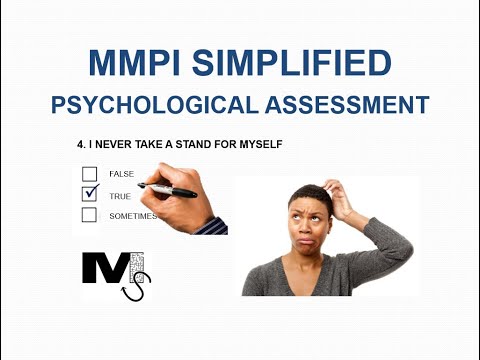
Hey there! So, let’s get real for a second. You ever wonder what your mind is really up to? Like, seriously, sometimes our thoughts and feelings can feel like a jumbled mess.
Well, if you’re curious about your mental health and want some insights without the hassle of a therapist’s office, I’ve got something cool for you. There’s this free online MMPI test floating around.
It’s kinda like a mental health check-up but way more chill. You just answer some questions and get a peek into what’s happening in that beautiful brain of yours.
Think of it as a little window into yourself—you know? It might give you some clarity or at least spark some interesting thoughts. So why not give it a shot?
Discover Your Personality: Exploring Free Online Personality Tests You Can Take Today
There’s something pretty fascinating about diving into your own personality, right? You know, getting a sneak peek into what makes you tick. Free online personality tests can actually be a fun way to explore that. They’re like little mirrors reflecting your characteristics, quirks, and maybe even some surprises.
First up, let’s chat about what these tests usually do. Most personality assessments are designed to categorize your traits. They might help you understand how you react in different situations or how you relate to others. Each test has its own way of diving into these themes.
One of the most well-known tests out there is the MMPI, which stands for the Minnesota Multiphasic Personality Inventory. It’s primarily used in clinical settings to evaluate mental health disorders, but versions of it can be found online for free. Just keep in mind that while it can give insights into your personality, it’s not a substitute for professional evaluation.
When taking these tests, here are a few things you might find useful:
- Variety: There’s tons of free tests available! From the Myers-Briggs Type Indicator (MBTI) to the Enneagram, each offers a unique perspective.
- Fun Factor: These quizzes often come with quirky questions that make them enjoyable—like «Which animal best represents your personality?»
- The ‘Take It With a Grain of Salt’ Rule: Results can be interesting but remember: they’re not always 100% accurate or definitive.
Now let me share something personal here. A friend of mine took an online personality test just for kicks and ended up discovering he was an INFP (that’s one of those Myers-Briggs types). He was kind of stunned because it described him perfectly—as sensitive and idealistic—with his head often in the clouds. It sparked conversations about his passions and career choices that he hadn’t thought about before!
That said, online tests can offer some helpful insights but don’t overthink them too much. They’re more like conversation starters than life-defining truths. So after taking one or two—and if it feels right—you might find yourself thinking about how you interact with others or why certain situations stress you out.
In short, whether you’re hunting for self-discovery or just looking for something fun to do on your lunch break, free online personality tests can be a cool way to engage with who you are. Just remember they’re tools—not crystal balls predicting your future!
Discover Free Mental Health Tests: Assess Your Well-Being Today
So, you’re looking for some free mental health tests to check in on your well-being? That’s a smart move! Mental health is just as important as physical health, and sometimes we need a little help figuring out where we stand.
One popular option is the **MMPI test**, which stands for the Minnesota Multiphasic Personality Inventory. It’s like a mental check-up that helps you understand your thoughts and feelings better. Basically, it’s designed to uncover personality traits and psychological conditions. It can help shine a light on things you might not even be aware of.
Now, before you jump into taking one of these tests online, here are some things to keep in mind:
- Free Access: There are several websites offering free versions of the MMPI or similar assessments. Just make sure they’re reputable sources.
- How It Works: Usually, you’ll answer a series of statements or questions about how you feel in various situations. The results can give insights into your emotional state.
- No Diagnosis: Remember, while these tests can highlight areas of concern, they aren’t substitutes for professional diagnosis.
A friend once told me he took the MMPI online during a particularly rough patch. At first, he was skeptical about it—but afterward, he realized it helped him gain perspective on things he had brushed off as “just normal.” He didn’t get all the answers but got some solid insights to discuss with his therapist.
It’s crucial to remember: **trust your feelings** when taking these assessments. If something resonates or feels off after getting your results, definitely consider chatting with someone who can help—like a counselor or therapist.
Another point worth mentioning is **privacy**. When you take these tests online, make sure you’re doing so on secure sites that respect your confidentiality.
In short, free mental health tests like the MMPI can be valuable tools for self-reflection and awareness. They’re not perfect but can offer helpful information for understanding yourself better and potentially guiding next steps in taking care of your mental health!
Understanding the Limitations: Why the MMPI Test is Not Available Online
Understanding psychological assessments can be kind of tricky, right? Like, you may have heard about the MMPI test, which stands for Minnesota Multiphasic Personality Inventory. It’s a big deal in the mental health world because it’s designed to help professionals figure out someone’s personality traits and possible mental health issues. But you won’t find it just sitting around online for free, and there’s a reason for that.
First off, the **MMPI is a standardized test**. It means it’s gotta be given in a specific way to get reliable results. If you were to take it online without supervision, there’s no way to ensure you’re answering honestly or under proper conditions. Plus, there are these pesky nuances in your responses that trained professionals can catch, but a random online test? Not so much.
Then there’s the whole issue of **interpretation**. Each answer on the MMPI isn’t just read at face value. A psychologist looks at your answers compared to norms, examines patterns over different psychological scales, and considers context—all stuff that needs training and experience. Without a therapist guiding you through those results, it could lead to misunderstandings about what they mean.
An example here could be kinda like taking an eye test by yourself at home—sure, you can read letters off a chart, but when someone trained looks at your prescription history and checks how your eyes react under light? That gives them a clearer picture than just squinting at letters through your phone screen.
Another big point is **ethics** and **safety**. Mental health is sensitive stuff! If someone takes the MMPI without proper context and then worries they might have an issue based on (possibly misinterpreted) results—well, that could lead them down a rabbit hole of unnecessary anxiety or confusion. Licensed therapists provide support that makes all this less scary.
Also consider **legal reasons**—the MMPI is protected as copyrighted material. Making it freely available online would open up tons of liability issues for both the distributor and users if something went wrong with an interpretation or if someone felt misdiagnosed after taking it casually.
In short:
So while free tests might pop up claiming they’re “just like” the MMPI—you’ve got to be cautious! They likely don’t have the depth or rigor of the real deal. It’s kinda like biting into what looks like chocolate cake only to find out it’s actually fruitcake—you really want that satisfying slice of chocolate instead! In this case, getting accurate assessments from licensed pros is always going to serve you better than some random clickbait quiz online.
So, you’ve probably heard of the MMPI, right? It’s one of those long tests that people take to get a gauge on their mental health. It’s like this big questionnaire that dives into your personality and emotional functioning. Well, nowadays, there are tons of free online versions floating around. But the thing is, using them can be kind of a mixed bag.
I remember when I took an online version once. I was curious about how I was feeling and thought it might help me figure things out. The questions were a little weird—like asking me if I sometimes hear voices or if I feel sad for no reason. Some made me laugh but also made me think, huh? Is this really how my brain works? Anyway, after all the clicking and answering, I got some results.
Now, here’s where it gets tricky. The results felt vague—like they touched on some things but didn’t really dig deep into my actual experiences. Sure, they gave me a general idea of where I might stand mentally. But without context or a professional to back it up? Sometimes it felt like looking at a blurry picture when you’re expecting clarity.
Of course, these tests can be fun and give you something to ponder. You might see patterns in your answers that make you realize stuff about yourself—or maybe even spark curiosity to talk with someone more qualified later on.
But let’s be real: while those free online tests are accessible and easy to find, they’re not substitutes for real-life assessment by a mental health professional. There’s just something about sitting down with someone who knows what they’re talking about that goes beyond “scoring” your feelings from behind a screen.
So if you decide to take one of these tests, just keep in mind they’re more like conversation starters than final answers. Use them as tools for self-reflection but don’t forget—they’re not gospel! Your mental health is so much more complex than any quiz can capture.