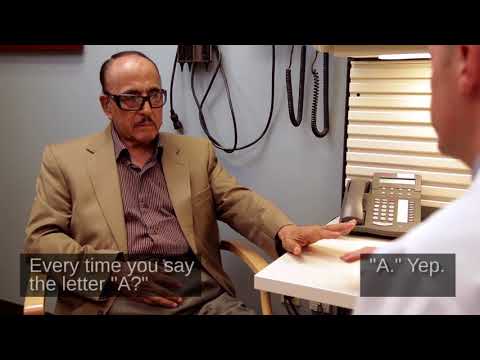
So, you know those days when you walk into a room and totally forget why you’re there? Yeah, we’ve all been there! Memory plays such a big role in our daily lives.
Now, imagine if forgetting things could signal something bigger, like a mental health issue. Crazy, right? That’s where the Montreal Cognitive Assessment, or MoCA for short, comes into play. It’s a nifty little test that helps folks and professionals figure out what’s going on up there in our brains.
But here’s the deal: it’s not just about checking if you remember your groceries. It digs deeper into memory, attention, language—basically everything that makes us tick mentally.
Let’s chat about how this simple test can actually change the game for mental health assessments.
Understanding the MoCA Assessment: A Key Tool for Mental Health Evaluation
The MoCA assessment, short for the Montreal Cognitive Assessment, is a tool that’s often used to evaluate different aspects of cognitive function. Think of it as a quick check-up for your brain. It was originally designed to detect mild cognitive impairment, but it’s grown to be way more than that over time.
So, what does the MoCA actually test? Well, it assesses various cognitive domains. Here are some key areas it covers:
- Attention: You’ll be asked to pay attention to lists of words or numbers.
- Memory: They’ll want you to remember some words and then recall them later.
- Linguistic abilities: You might have to name animals or repeat phrases.
- Visuospatial skills: This part often includes drawing shapes or copying drawings.
- Executive functions: It tests planning and problem-solving abilities through tasks like trail-making.
The cool thing about the MoCA is that it’s designed to be quick—usually taking just about 10-15 minutes. This makes it easy for clinicians who need a snapshot of someone’s cognitive health without taking up too much time. And believe me, those extra minutes can make all the difference when juggling a busy clinic!
Now, let’s jump into why this assessment is so crucial in mental health evaluation. First off, identifying problems early can lead to better outcomes down the line. If there’s mild cognitive impairment or even early signs of dementia, catching it early gives individuals and families more options for care and planning.
To illustrate this point: imagine Sarah, a 72-year-old woman who recently began misplacing her keys more often. Her family notices her becoming forgetful about appointments too. After a brief MoCA assessment by her doctor, they discover significant memory issues that would’ve otherwise gone unnoticed for longer. This enables Sarah’s family to seek support resources sooner rather than later.
Another neat aspect is how widely recognized the MoCA is across different healthcare settings—from primary care facilities to specialized memory clinics. It’s like having a universal language when discussing cognitive health.
One thing worth mentioning is its adaptability; if someone has language difficulties or other challenges due to various conditions (like stroke), adaptations can be made so they can still participate in the assessment meaningfully.
Understanding MCI in Mental Health: What It Means and Its Impact on Well-Being
Mild Cognitive Impairment (MCI) is one of those terms that can sound a bit scary, but don’t worry, I’m here to break it down for you. Basically, MCI is a condition that involves noticeable changes in memory and other cognitive functions. It’s more than just the occasional forgetfulness we all experience, like misplacing your keys or forgetting someone’s name. People with MCI have memory issues that are significant enough to be noticeable but not severe enough to interfere dramatically with daily life.
So, what does this mean for someone’s overall well-being? Well, MCI can lead to increased anxiety and stress. Imagine constantly worrying about your memory slipping away; that can take a toll on anyone’s mental health. A friend of mine once shared how she felt after being diagnosed with MCI. She worried about her job performance and her relationships because she was scared people would see her as “not sharp” anymore. It hit her hard.
Now, when it comes to assessing MCI, a common tool used by professionals is the Montreal Cognitive Assessment, often called the MoCA. This test is designed to evaluate various cognitive skills such as attention, concentration, and memory. You might be wondering how it works—well, it typically takes around 10 minutes and includes tasks like recalling words after a short delay or drawing a clock face.
The MoCA results can help determine if someone has MCI or if their cognitive changes are part of normal aging. Here are some key points about the MoCA:
- Quick and Effective: It’s a brief assessment that gives clinicians useful insights into cognitive function.
- Wide Range of Skills: It tests various domains such as executive function, language skills, and visuospatial abilities.
- Cultural Sensitivity: There are versions in different languages to accommodate various populations.
But here’s the thing: while the MoCA can provide valuable information, it doesn’t provide a full picture on its own. It’s just one piece of the puzzle in understanding someone’s mental health.
It’s important to remember that having MCI doesn’t mean you’re doomed to develop dementia later on; some people stabilize or even improve over time with lifestyle changes or treatment strategies like cognitive therapy or medication.
Overall, addressing MCI is crucial for nurturing well-being—both mentally and emotionally. The more we understand this condition and its implications through tools like the MoCA, the better we can support ourselves or loved ones facing these challenges. It’s all about taking steps together during what could feel like an isolating journey.
Understanding the Role of MoCA in Cognitive Assessment and Mental Health
The Montreal Cognitive Assessment, or MoCA, is a handy tool used to evaluate cognitive functions. It’s like a quick check-up for your brain. Seriously, it helps professionals figure out if someone might be dealing with issues like memory loss or other cognitive impairments.
You know how sometimes you forget where you put your keys? Well, that can happen to anyone, but when it’s more frequent and affects daily life, that’s when MoCA comes into play. The test covers lots of ground—everything from short-term memory to attention and language skills.
Why use MoCA? It’s simple: it’s a fast and effective way to spot potential problems early on. So even if you’re just having an off day, this tool can help separate normal forgetfulness from something more serious.
Here are some key features of the MoCA:
- Time-efficient: It’s usually done in around 10-15 minutes.
- Comprehensive: Tests various areas like orientation, attention, memory, language, and even visuospatial skills.
- Sensitivity: It’s great at detecting mild cognitive impairment that other tests might miss.
Let’s say you visit a doctor because you’ve been feeling foggy lately. After chatting about your symptoms, they might give you the MoCA test. You could find yourself doing things like recalling words or drawing a clock. If you score lower than expected for your age group, it could signal the need for further evaluation.
Why does this matter? Early detection is crucial! If there are issues with cognition—like those seen in conditions such as Alzheimer’s or dementia—knowing sooner means better planning for the future. Just imagine being able to prepare for what’s next instead of waiting until things get worse.
It’s also important to note that while the MoCA is super useful, it’s just one part of the puzzle. Mental health is complex and involves factors beyond cognition—like emotional health and social well-being. So you can’t rely on this test alone.
If someone scores low on the MoCA and shows signs of distress or functional decline in daily life—that’s when mental health specialists can provide support through therapy or other interventions.
In summary: the MoCA is an essential tool in understanding cognitive health and helps unravel some parts of mental well-being. Whether you’re worried about yourself or someone close to you, knowing about tools like this can help take positive steps toward maintaining brain health!
The MoCA, or Montreal Cognitive Assessment, is kind of like a friendly little check-up for your brain. You know? It’s designed to spot any early signs of cognitive decline and help professionals figure out if someone might be facing issues like dementia or other memory-related conditions.
I remember when my aunt was going through some health challenges. She kept forgetting where she left her keys, and sometimes she’d even misplace her phone—right in her hand! We were all a bit worried, as you can imagine. A doctor suggested the MoCA test, and it was such a relief to see that it’s not just about scoring low or high. It really helps professionals understand what’s going on up there.
So, what happens in this test? Well, it has different parts that assess things like attention, concentration, and memory. There’s even a bit where you have to draw a clock—easy peasy for some; tough for others! It gives mental health pros insights into how someone’s mind is functioning day-to-day.
But here’s the kicker: the MoCA isn’t just a diagnostic tool. It can also spark conversations about mental health among family and friends. Like when my aunt got her results back; instead of hiding behind worries, we all sat together and talked about it openly—what could be done next? That made such a difference.
Using the MoCA can lead to earlier interventions if needed. This little assessment opens doors to support networks or therapies that can really help someone navigate their journey with mental health issues. It serves as an early warning system in many ways.
In the grand scheme of navigating mental health care, tools like the MoCA remind us that awareness is key—whether it’s for yourself or someone you care about. So yeah, it’s not just numbers on a page; it really connects to people’s lives in profound ways.