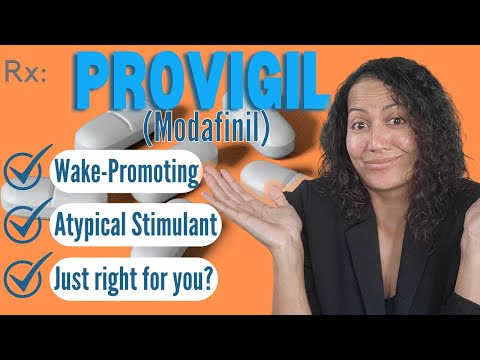
You know those days when you just can’t shake off that fog? Like, you’re awake, but your brain feels all sluggish? I get it. Many folks turn to stuff like Modafinil to get that mental boost.
Then there are SSRIs. These meds are often thrown into the mix for managing things like depression and anxiety. They serve a different purpose, but together with Modafinil, they might just create a new kind of balance.
So what’s the deal with these two? How do they work out in the grand scheme of mental health treatment? Let’s chat about it!
Exploring the Safety of Combining Modafinil and SSRIs: What You Need to Know
Alright, let’s talk about modafinil and SSRIs. You might be wondering, “Are these things safe to take together?” Well, it’s a good question. Lots of people rely on both for different reasons.
Modafinil is a medication often used to treat sleep disorders like narcolepsy or shift work sleep disorder. It helps you stay awake and alert. On the other hand, SSRIs (selective serotonin reuptake inhibitors) are a class of antidepressants that help manage depression and anxiety by increasing the level of serotonin in your brain. This can really lift your mood.
But mixing them? That’s where it gets a little tricky. Scientists are still studying how these medications affect each other. Some folks think taking modafinil might reduce the effectiveness of SSRIs because it can influence how your body processes these meds.
So, what do you need to keep in mind? Here are some key points:
- Consult Your Doc: Before mixing anything, always check with your healthcare provider first. They’re the ones who know your medical history.
- Potential Interactions: Modafinil could speed up how quickly your body metabolizes some SSRIs, potentially leading to lower levels in your system.
- Side Effects: Both medications have their own side effects. You could feel jittery or anxious if you combine them without professional guidance.
- Your Unique Situation: Everyone’s different! Your response to medication can vary based on genetics, overall health, and lifestyle factors.
Now, there’s this emotional layer too. Imagine you’re struggling with depression and fatigue at the same time—it’s almost like wading through mud every day. You hear about modafinil helping some people power through their days while taking an SSRI for their mood… Sounds appealing! But jumping into this mix without guidance? Not the best idea.
Ultimately, it’s about finding what’s right for you while staying safe—like walking a tightrope with someone holding your hand! So stay connected with your healthcare team and don’t hesitate to ask questions as you navigate these waters together.
In short: safety comes first when considering combining meditations like modafinil and SSRIs!
Exploring Modafinil: Can This Smart Drug Serve as an Effective Antidepressant?
Modafinil is often dubbed a «smart drug» because it’s mainly used to enhance wakefulness and focus. But lately, people have been asking if it could also play a role as an antidepressant. So, let’s break this down.
First off, modafinil is primarily prescribed for conditions like narcolepsy and sleep apnea. It helps keep you alert when you otherwise feel like snoozing through life. The question of its potential in treating depression comes from its ability to boost motivation and concentration. Imagine struggling with feelings of hopelessness and fatigue; that’s where modafinil might come into the picture.
Now, many folks take antidepressants, especially SSRIs (that’s short for selective serotonin reuptake inhibitors). These medications help increase serotonin levels in the brain. You know, serotonin is that feel-good chemical that can brighten your day. But sometimes SSRIs don’t work for everyone, or they can take weeks to kick in. This is where modafinil may show promise as an alternative or complementary treatment.
Some studies have suggested that combining modafinil with SSRIs might enhance their effects. For example:
But wait—before jumping on the modafinil train, it’s essential to consider some important aspects. Research on this topic isn’t super extensive yet. Some initial findings are promising, but it doesn’t mean everyone will benefit from it or that it’s safe for long-term use.
There are also potential side effects to be aware of—like headaches, anxiety, or even insomnia—which can be tricky when you’re already battling depression or anxiety issues. Plus, since this drug influences brain chemistry differently than traditional antidepressants do, the long-term impacts are still under review.
Real-life experiences show mixed results too. Like my friend Jess who tried modafinil after feeling stuck on her SSRI regimen for a couple of years. She noticed more energy but still struggled with underlying issues—not exactly the magical solution she hoped for.
In summary, while there’s some excitement around using modafinil as a potential antidepressant or in combination with SSRIs, we need more solid research before giving it a thumbs up across the board. If you’re thinking about it as an option to explore further in your treatment journey? Definitely chat with your therapist or psychiatrist first!
Exploring the Effects of Modafinil on Bipolar Disorder: Can It Help?
Bipolar disorder can be a real rollercoaster ride, right? You’ve got those extreme highs, known as manic episodes, and those crushing lows that make everything seem gray and dull. Managing it often feels like trying to balance on a tightrope. So when new treatments pop up, it’s worth looking into them, especially something like modafinil.
Now, modafinil is primarily known for keeping folks awake and alert. It’s often prescribed for conditions like narcolepsy or sleep apnea. But there’s been some buzz about its effects in the realm of mental health too. Could it help with bipolar disorder? That’s what many are curious about.
The thing is, modafinil has stimulant-like properties. This means it can increase wakefulness and alertness. However, with bipolar disorder, the key concern is the risk of triggering mania. You see, if someone experiences a manic episode while using a stimulating medication like modafinil, things can get chaotic fast. Imagine being on top of the world one minute—full of energy and creativity—and then crashing down hard again when you lose control.
So what does the research say? Well, there isn’t a ton out there specifically linking modafinil to improved outcomes in bipolar disorder. Some studies hint at potential benefits when combined with other treatments like SSRIs (selective serotonin reuptake inhibitors), which are commonly used to manage depression in bipolar patients. But because everyone reacts differently to medications—like some people love chocolate while others can’t stand it—you’ve really got to approach this carefully.
A key point is that if someone’s already on mood stabilizers or antidepressants and thinking about adding modafinil into the mix, it’s super important they discuss this with their doctor first. Combining medications without professional guidance can lead to unexpected side effects.
If you’re wondering how someone might feel after starting on modafinil while managing bipolar disorder—it can really vary based on individual experiences and circumstances! Picture someone named Alex who struggles with fatigue during depressive episodes but also has moments where their enthusiasm shoots through the roof during mania. For Alex, introducing modafinil helped with alertness during low phases but brought worries about potential manic swings.
Additionally, we need to recognize that treatment isn’t one-size-fits-all; there’s usually some trial and error involved to find what works best for each person individually. It’s like finding your favorite pair of shoes; sometimes you have to try several before you find one that fits just right.
In sum: could modafinil potentially help some individuals with bipolar disorder? Sure! But it comes with risks that shouldn’t be overlooked—not all heroes wear capes; sometimes they wear caution signs instead! Keeping an open dialogue with healthcare providers will help navigate these waters safely.
So, let’s chat about modafinil and SSRIs. Both play roles in the mental health scene, but they’re pretty different in what they do.
You know, SSRIs—like Prozac or Zoloft—are these common go-tos for folks battling depression and anxiety. They work by boosting serotonin levels, which can really help lift that heavy fog of sadness many feel. I remember when a friend of mine started on an SSRI. At first, there was this awkward adjustment period where she felt weird, like she was up and down emotionally. But then, after a few weeks, it was like someone turned the lights on for her. The relief was amazing to see.
Now, modafinil is a different beast altogether. It’s mainly used to treat sleep disorders like narcolepsy or sleep apnea but has found its way into the spotlight for off-label use in addressing fatigue and even focus issues in broader contexts—some people might even refer to it as a “smart drug.” Some studies suggest it might help with symptoms of ADHD or depression too when you’re feeling particularly drained.
But here’s the thing: while modafinil can increase wakefulness and alertness, it doesn’t change your mood in the same way SSRIs do. It’s more of a kickstarter—you know? Like coffee on steroids—but without that jittery crash afterward. Still, not everyone responds to it the same way. You’ve got to be careful with any medication because they can come with their own baggage.
The beauty—and sometimes frustration—of mental health treatment is that there’s no one-size-fits-all solution. What works wonders for someone might not be great for another person at all! When we talk about combining these treatments or switching from one to another, communication with healthcare providers is key. It’s so important to be open about what you’re feeling because that feedback helps fine-tune your journey toward feeling better.
So yeah, both modafinil and SSRIs have their place in this big puzzle we call mental health care. And honestly? Just finding what helps you feel like yourself again is worth navigating all those options out there!