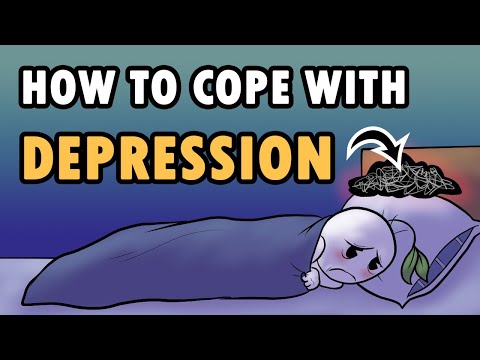
So, you know that feeling when everything just seems a bit… heavy? Like, getting up in the morning feels like climbing a mountain? Yeah, that’s real. That’s moderate clinical depression creeping in.
It can sneak up on you. One minute you’re okay, and the next you’re staring at your phone for hours, not really knowing what to do with yourself. You might be feeling stuck or like you’re moving through molasses.
But here’s the thing: you’re not alone in this. Seriously. Lots of people are navigating these murky waters every single day.
Let’s chat about it—what it’s like, how to cope, and maybe even how to find a little light in those cloudy days. It’s totally possible to find ways to breathe easier and feel better. So grab a comfy spot; we’re diving into this together!
Understanding Recovery Time: How Long Does It Really Take to Overcome Moderate Depression?
It’s a tough question for so many people: How long does it really take to overcome moderate depression? The thing is, recovery is super individualized. There’s no one-size-fits-all answer. But let’s break it down a bit.
First off, moderate depression can feel like an endless fog. You might notice that you struggle with motivation, find it hard to enjoy things you once loved, or feel pretty low most days. A lot of folks ask, “When will this end?” But the reality is that recovery time varies greatly from person to person.
Factors Influencing Recovery Time
There are several key factors that play into how quickly someone might find their way back to feeling better:
- Personal History: If you’ve dealt with depression before or have other mental health issues, it might take longer to bounce back.
- Support System: Friends and family can make a big difference. Having a strong support network usually helps speed up the recovery process.
- Treatment Options: Whether you’re in therapy, taking medication, or both can influence timeline significantly. Some folks see improvement in weeks; others take months.
- Lifestyle Changes: Things like diet, exercise, and sleep can affect how quickly you start feeling better. It’s all connected!
Now picture this: Sarah was really struggling with moderate depression for about six months. She found herself withdrawing from friends and feeling tired all the time. After finally getting help – therapy sessions combined with some lifestyle changes – she started noticing improvements after a few weeks of working on things consistently.
The Journey of Recovery
Recovery often isn’t linear either; it’s more like a winding road filled with ups and downs. You might feel great one week and then hit a bump the next. That’s completely normal! It’s essential to give yourself grace during this process.
You probably also want to hear about some timelines generally seen in recovery:
- Weeks 1-2: Initial steps often involve therapy or medication adjustments.
- Weeks 4-6: Many start noticing small improvements in mood or energy levels.
- 3 Months: This is when folks often begin feeling like themselves again… but don’t be surprised if there are tough days along the way.
- 6 Months+: For some, that’s where real change happens; others may still be navigating their journey.
To wrap it up; understanding that moderation means different things for different people is crucial! Recovery takes time and patience – but it *is* possible! It’s alright to lean on others and seek professional help when needed.
So if you’re feeling overwhelmed by your journey through moderate depression, just remember: progress isn’t always quick but every step you take counts! Keep looking ahead—you’ve got this!
Understanding Moderate Depression: Symptoms, Effects, and Path to Recovery
Moderate depression can feel like you’re stuck in a fog. You know something’s off, but it’s hard to put into words. It’s that feeling when getting out of bed feels like climbing a mountain or when even your favorite music sounds dull.
Symptoms of moderate depression can vary a lot, but you might notice:
- Persistent sadness: This isn’t just feeling blue for a day; it lingers, wrapping itself around you.
- Fatigue: You wake up tired, even after a good night’s sleep. Simple tasks become exhausting.
- Changes in appetite: This could mean eating more than usual or hardly eating at all. Your body just feels off.
- Difficulty concentrating: Maybe you find it hard to focus on work or remember things that used to come easily.
- Loss of interest: Hobbies and activities you once loved might feel unworthy of your time and energy.
Anyone experiencing this often feels alone in their struggles. I remember my friend Sarah—a lively person who loved painting—started shutting herself away in her room for weeks. She couldn’t muster the will to pick up her brushes anymore. It was as if her color had drained away.
The effects of moderate depression can seep into every aspect of life. Work performance might drop, relationships could become strained, and even self-care routines may slide down the priority list. You might find yourself snapping at friends or pulling away from family gatherings because social interactions feel too demanding.
But here’s where the light comes in: the path to recovery. A lot of people mistakenly think recovery means bouncing back overnight, but that’s not how this works.
- Therapy: Talking things out with a therapist can really help sort through feelings and gain insights.
- Medication: Sometimes doctors prescribe antidepressants that can balance chemicals in your brain.
- Lifestyle changes: Regular exercise and healthy eating can make a difference; moving your body releases those feel-good chemicals called endorphins.
- Meditation and mindfulness: These practices are great for grounding yourself during rough patches—think of them as mental first-aid kits!
Recovery is just that: a journey. Each step counts, no matter how small it may seem at the time. Maybe one day you get out for a short walk instead of staying inside all day—celebrate that!
Moderate depression doesn’t define you; it’s something happening to you right now. It may take time, effort, and support from others, but healing is absolutely possible! Never forget there are people who want to help you along the way because no one should have to face this alone.
Understanding Clinical Depression: Can It Really Go Away?
So, you’re curious about clinical depression and whether it can really go away, huh? Well, let’s talk about it. First off, clinical depression isn’t just feeling sad for a few days. It’s like this heavy fog that settles in your brain and doesn’t want to budge. You know what I mean? But here’s the thing: it can get better over time.
Understanding Clinical Depression means recognizing that it involves lasting feelings of sadness, hopelessness, and a lack of interest in things you used to enjoy. It can mess with your sleep, energy levels, and even how you think about yourself or your future.
- It Can Improve: Many people find that symptoms lessen significantly with treatment, which may include therapy or medication. Others might benefit from lifestyle changes—like exercise or nutrition. Seriously, small changes can have a big impact.
- Coping Strategies: Even on tough days when everything feels overwhelming, there are ways to cope. You could try mindfulness or journaling your thoughts. Sometimes just talking to a friend helps too.
- Support Matters: Connecting with others who understand can be a game-changer. Whether it’s family, friends or support groups—having people you trust makes the journey easier.
I remember when my friend Lisa went through this dark patch. She felt trapped in her mind for months—so distant from her bubbly self—and thought she’d never feel happy again. With therapy and some small lifestyle shifts—like getting back into painting and regular walks—she slowly found her way out of that fog.
The thing is not everyone experiences recovery the same way; it varies from person to person. Some see improvement quickly; for others, it takes time and patience.
Your Journey is Unique: Keep this in mind: it’s not a race! You don’t have to push yourself through all those feelings immediately—or ever! Healing is often non-linear; ups and downs are part of the process.
If you’re wondering if clinical depression can really go away? The answer is yes—it can improve significantly for many people over time! But remember: even if it feels tough now, there’s hope ahead. And that alone makes facing today easier.
Dealing with moderate clinical depression can be like carrying this heavy backpack around all day. Seriously, some days it feels like I’m trudging through mud. But you know what? You find ways to cope, and that becomes your lifeline, kind of like a little raft in a stormy sea.
So, picture this: you wake up and just the thought of getting out of bed feels monumental. You might think about all those things you usually enjoy—maybe reading a book or watching your favorite show—but it’s hard to muster the energy. I get it! There are times when my brain feels like it’s stuck in slow motion.
One thing I’ve learned is that breaking tasks down helps a lot. Like, instead of saying “I need to clean the whole house,” I’d focus on just one room or even one corner. It’s amazing how much lighter that makes things feel! And hey, getting even a small win like tidying up one spot? That can seriously boost your mood.
Connections with people are also essential during these times, right? Sometimes it’s tough to reach out when you’re feeling low, but having even one trusted friend to talk to really matters. It might seem awkward at first—like you’re burdening them—but most people are more than willing to lend an ear or share a laugh over coffee. I remember feeling so alone once until I decided to chat with an old buddy; the relief felt like sunshine breaking through clouds.
Then there’s self-care—sounds cliché, but hear me out. It doesn’t have to be anything extravagant; sometimes it’s as simple as taking a warm shower or going for a brief walk outside. Being in nature—even just for those twenty minutes—can change your perspective a bit and clear some mental fog.
Mindfulness practices can feel weird at first too, but they’re worth giving a go. Taking just five minutes to breathe deeply and focus on being present can often calm that racing mind of yours. It’s not always easy, but over time it gets more manageable.
So yeah, life with moderate clinical depression isn’t easy—you have ups and downs for sure. But by leaning into small coping strategies and holding onto connections that matter, you start creating little moments of lightness amidst the heaviness. And those moments? They add up!