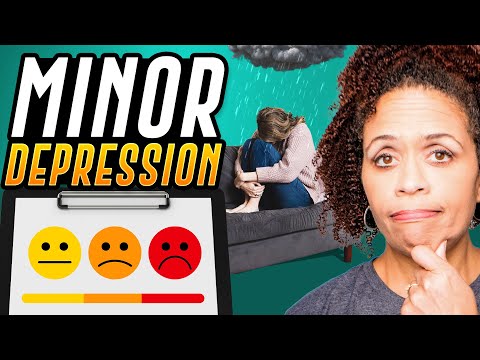
You know, life can throw some serious curveballs at us. Like, one minute you’re cruising along, and the next? Everything feels heavy.
That’s what moderate major depression can feel like. It’s not just about feeling sad; it’s like this dark cloud that kinda sticks around, messing with your vibe.
Sometimes, people don’t even realize how deep that cloud goes. It’s more than just a bad day or a rough week; it lingers for a while.
But hey, you’re not alone in this struggle. A lot of folks have been there—or are there—right now. Talking about it can really help lift some of that weight off your shoulders.
So let’s dive into what it means to navigate life with moderate major depression together. Sound good?
Effective Strategies for Coping with Moderately Severe Depression: A Comprehensive Guide
Managing moderately severe depression can feel like an uphill battle. Seriously, it’s tough. You might find yourself stuck in a rut, unable to enjoy things you once loved or just feeling heavy all the time. What’s important, though, is that you’re not alone in this. There are effective strategies out there to help you cope and navigate through it.
Talk Therapy: Engaging with a therapist can be incredibly empowering. Talking about your feelings, thoughts, and experiences allows you to process emotions that might be hard to verbalize otherwise. Cognitive Behavioral Therapy (CBT) is one of the most common forms used for depression. The idea is to challenge negative patterns of thinking that can spiral and make things worse. A good therapist can guide you through this maze.
Medication: For some people, medications might be a necessary part of the equation. Antidepressants can help balance out chemicals in your brain that affect mood. But hey, it’s not a “one-size-fits-all” situation. Everyone reacts differently to these meds, so working with a healthcare provider to find what suits you best is crucial.
Support Systems: Surrounding yourself with understanding friends and family can really lighten your load. Don’t hesitate to lean on them when you’re feeling low; they want to help! Maybe it’s just someone to watch a movie with or talk about how you’re feeling—whatever makes you comfortable counts.
Self-Care Routines: This isn’t just about bubble baths (though, those are nice too). It’s about creating routines that prioritize your well-being daily:
- Sleep Hygiene: Keeping a regular sleep schedule helps regulate mood.
- Nutrition: Eating balanced meals fuels your body; think of food as medicine.
- Exercise: Even light activity like walking can boost endorphins and lift spirits.
Meditation and Mindfulness: These practices are gaining traction for good reason. They help ground you in the present moment and foster acceptance of your feelings without judgment. Even five minutes of focused breathing can have surprisingly positive effects.
Kicking Stigma to the Curb: It’s easy to feel isolated when struggling with depression. Remember, there’s no shame in seeking help or expressing how you feel—doing so doesn’t make you weak; it shows strength.
It’s worthwhile trying these strategies out—they may take time before they feel effective but hang in there! Life with moderate major depression is tough but not unmanageable. Finding what resonates best for you could make all the difference on this journey toward brighter days ahead!
Understanding Moderate Major Depression: Symptoms, Impact, and Coping Strategies
Moderate major depression is more than just feeling sad. It’s like walking through life with a heavy backpack that you didn’t even pack yourself. You know, it can feel overwhelming, and some days you just wish you could take that weight off your shoulders.
Symptoms of moderate major depression can vary a lot, but here are some that people often experience:
- Persistent feelings of sadness or emptiness.
- A loss of interest in things you once loved—like hanging out with friends or enjoying your favorite hobby.
- Fatigue or low energy, making even simple tasks feel like climbing a mountain.
- Changes in sleep patterns—either sleeping too much or too little.
- Difficulties concentrating or making decisions; sometimes it feels like your brain is moving in slow motion.
This can all sound pretty heavy, right? But the impact doesn’t stop at just how you feel. It can affect how you interact with the world around you. Social situations might drain you instead of energizing you. You might notice friendships slipping away because it feels too hard to reach out. I remember talking to a friend who described how she missed her best buddy’s wedding because she felt so low. It was heartbreaking for both of them.
Coping strategies are super important when navigating this tricky terrain. Here are a few ways to help deal with moderate major depression:
- Talk about it: Whether it’s with friends, family, or a therapist, sharing what you’re going through can lighten the burden.
- Create a routine: Establishing structure can offer some stability during those chaotic times when everything feels off-kilter.
- Exercise: Getting even a little physical activity—like going for a short walk—can boost those feel-good hormones. Seriously, it’s like magic!
- Avoid isolation: Though resisting the urge to hide away is tough, try to engage with others—even just a quick text message check-in counts!
The thing is, coping isn’t one-size-fits-all. What works for one person might not work for another. So it’s okay to experiment and find what helps you most. Sometimes it’s about picking yourself up enough to try something new! Like this guy I knew who started doodling every night before bed—it became his little escape from those negative thoughts swirling around in his head.
If things ever feel too much to handle alone, don’t hesitate to reach out for professional help. There are people trained specifically to walk alongside you through this journey.
Remember: You’re not alone in this.” Taking that first step toward support is really courageous and important.
Navigating life with moderate major depression can be overwhelming at times, but with the right tools and support system—and maybe some humor along the way—you can find your way back into the sunlight again!
Understanding Moderate to Severe Depression: Key Signs and Symptoms to Recognize
Moderate to severe depression can feel like this heavy fog that just doesn’t lift, you know? It’s more than just feeling down for a few days. If you’re wondering whether someone—or even yourself—might be dealing with this, recognizing the signs is super important.
Key Signs and Symptoms of Moderate to Severe Depression
- Persistent Sadness: Feeling sad or empty most of the time. It’s like carrying a weight around that you can’t shake off.
- Lack of Interest: Things that used to bring joy now seem dull. Hobbies, socializing, or even your favorite shows might just lose their spark.
- Fatigue: Feeling tired all the time, even after sleeping. It’s not just “I didn’t get enough sleep last night,” but rather an unshakeable tiredness.
- Cognitive Issues: Trouble concentrating or making decisions can happen too. You might find yourself staring blankly at a screen or forgetting why you walked into a room.
- Changes in Appetite: Eating too much or too little. Some people turn to food for comfort while others struggle to eat anything at all.
- Sleep Disturbances: Insomnia or sleeping too much. You could be tossing and turning all night, unable to catch a break, or sleeping like it’s your full-time job but still feeling exhausted.
- Irritability: Feeling more irritable or angry than usual for seemingly no reason. Little annoyances might become bigger deals, and it’s frustrating!
- Feelings of Worthlessness: Harsh self-criticism or feeling like you’re not good enough can creep in. You start doubting everything about yourself.
- Thoughts of Death: This is serious stuff—having recurring thoughts about death or suicide needs immediate attention. If someone is feeling this way, reach out for help ASAP!
Let me tell you—it can be tough dealing with these feelings alone. In my friend Sarah’s case, she used to love painting; it was her escape! But then she found herself staring at her canvas for hours without picking up her brush. All those bright colors felt muted and lifeless.
Recognizing these signs in ourselves changes everything, though. The sooner we get help—be it through therapy, medication, or support from loved ones—the better chance we have at easing those heavy feelings.
In short: if things seem overwhelming and these signs resonate more than just occasionally? Don’t hesitate to reach out! Getting help is totally okay; it’s actually pretty brave when you think about it!
Living with moderate major depression can feel like you’re trying to wade through thick mud. Some days you just want to crawl back into bed and pull the covers over your head. Other days, it’s like you’re running on empty, struggling to find even a hint of joy in things that used to light you up. It’s such a strange mix of feeling heavy yet numb, and honestly, it can be really confusing.
I remember a friend sharing her experience with this kind of depression. She’s super passionate about painting but found it so hard to pick up a brush when everything felt gray. Just seeing her art supplies collecting dust made me ache for her. The thing is, underneath that heaviness, she still had those beautiful bursts of creativity trying to come out—but the cloud of depression made every step feel so daunting.
Moderate major depression isn’t just about feeling a little sad now and then; it’s like there’s an invisible weight holding you down. It can mess with your sleep patterns—either sleeping too much or not at all—and even how you eat. You might find yourself skipping meals or overeating because food is one of the few things that can feel comforting or even familiar in the chaos.
Connecting with others often becomes tricky too. You might want support from friends and family but also push them away because socializing takes so much energy. It’s like being caught in this awkward dance where you crave connection yet feel so alone at the same time.
And therapy… man, that can be a lifesaver! Finding someone who gets it—and I mean truly gets it—makes such a difference. Talking things out can help sift through those muddied thoughts and feelings, shining a little light on what feels dark.
Medication could also be part of the picture for some folks navigating these waters, offering support when the lows feel too steep to climb alone. It’s all about finding what works best for you, though that process can take some time and patience.
But let’s not forget about those small victories! Even getting out of bed or taking a shower counts as progress on tough days. Also, as cheesy as it sounds, doing something nice for yourself—like enjoying your favorite show or going for a walk—can spark tiny moments of hope amid the heaviness.
So yeah, if you’re journeying through moderate major depression or know someone who is, remember: it’s okay to not have everything figured out. Just taking things one step at a time is perfectly fine. And realizing there are folks who understand and care? That’s what makes those tough times just a bit lighter to bear together.