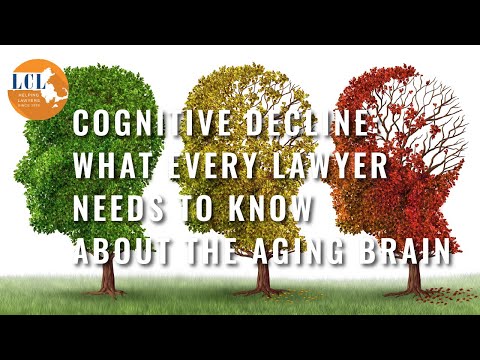
So, let’s chat about something that can feel pretty heavy: moderately severe cognitive decline. I know, sounds daunting, right? But hang tight.
You’re not alone in this. Seriously, more people than you think are grappling with it. It’s tricky and can change everything in daily life.
Imagine forgetting names or struggling to follow a conversation—yeah, that’s what we’re talking about here. It can feel frustrating and scary at times. But hey, there are ways to cope and make things easier.
This journey is all about understanding those bumps in the road. Because knowledge is power, my friend! Let’s dig into it together and figure out what this really means for you or someone you care about.
Understanding Mild Cognitive Decline: Does It Progress Over Time?
Cognitive decline isn’t just a term you hear thrown around casually; it really relates to how our brain functions over time. When we talk about **mild cognitive decline**, we’re not saying someone’s lost their marbles completely, but rather they might be experiencing some subtle changes in memory, attention, or decision-making skills.
You know that feeling when you walk into a room and forget why you went in there? We all have those moments, but with mild cognitive decline, those lapses can happen more often than usual. It’s like your brain’s got a little fog hanging around. You might misplace things more frequently or struggle to follow conversations.
Now, the big question is: **does it progress over time?** Well, it can— but not always. Some people experience it as a slow evolution and may stay at that mild stage for years. Others might find that it gradually gets worse and crosses over into more moderate levels of decline.
Here are some thoughts on why this happens:
- Underlying factors: Things like age, genetics, lifestyle choices (like diet and exercise), and overall health play huge roles in how cognitive decline progresses.
- Types of conditions: Mild cognitive decline can stem from various issues, such as Alzheimer’s disease or other forms of dementia. Not every case will develop into something severe though.
- Emotional health: Depression or anxiety can also cause or worsen cognitive difficulties. If someone’s mental health isn’t great, their brain might struggle even more.
- Intervention: Engaging in brain-stimulating activities—like puzzles or socializing—can help keep your mind sharp. Some folks see improvement! It’s like giving your brain a workout.
Imagine this: there’s a woman named Sarah who noticed she was forgetting her grocery list often or sometimes couldn’t quite remember names when meeting new people. After visiting her doctor, they discussed this mild cognitive decline together. With some encouragement to stay active socially and keep her mind busy with reading and games, she found ways to cope without falling into deep worry about what could happen down the line.
It’s essential to remember that **not everyone** with mild cognitive decline will progress to something more severe. The brain is complex! Factors like personality type and support systems really influence outcomes too.
So if you notice these kinds of changes in yourself or someone else, don’t panic! It’s important to check in with a healthcare professional who can provide guidance tailored specifically to those experiences.
In summary, while mild cognitive decline can progress for some folks over time due to various factors – from lifestyle choices to emotional well-being – there’s no one-size-fits-all answer here. Staying engaged mentally and physically can potentially make a difference along this journey through life.
Understanding Stage 4 Moderate Cognitive Decline: Symptoms, Causes, and Coping Strategies
When we talk about Stage 4 Moderate Cognitive Decline, we’re stepping into a pretty challenging territory. It’s like your brain is experiencing a kind of mental fog that just won’t lift. It’s more than being forgetful—this stage is often linked to issues like Alzheimer’s disease or other dementias. But let’s break it down together.
First off, what are the symptoms? At this stage, you might notice:
- Increased Forgetfulness: Forgetting recent conversations or events becomes more frequent.
- Difficulty with Complex Tasks: Something like preparing a meal or following instructions starts feeling overwhelming.
- Confusion About Time and Place: Getting lost in familiar locations or struggling to recall the day or month.
- Withdrawal from Social Situations: You may find yourself shying away from gatherings you once enjoyed because they feel daunting.
I remember once talking to a friend whose mom was in this stage. She’d call him and ask where she was even though she had lived in the same house for decades! It was heartbreaking for both of them.
Navigating through these symptoms can be tough, but knowing the causes helps too. Most cognitive decline at this point can be attributed to changes in the brain due to disease processes affecting memory and thinking skills. Other factors might include:
- Aging: As we age, it’s not uncommon for our cognitive abilities to shift.
- Nutritional Deficiencies: Lack of essential vitamins like B12 can significantly affect brain function.
- Mental Health Issues: Depression and anxiety can also interfere with cognitive abilities, making things worse.
A key thing here is that recognizing these symptoms doesn’t have to feel hopeless. There are some Coping Strategies. They’re not cures, but they can help manage daily life better:
- Create Routines:Your daily routine should be as consistent as possible; it provides comfort and familiarity during uncertain times.
- Simplify Communication:Simpler language can help ease frustration during conversations. Asking yes/no questions might work better than open-ended ones.
- Tactile Reminders:This could mean leaving notes around the house or using alarms on your phone to remind you of important tasks or appointments.
- Pursue Meaningful Activities:The more engaged someone feels, the better! Encourage hobbies they used to enjoy—it makes life feel a bit less heavy.
The thing is, dealing with moderate cognitive decline isn’t all gloom and doom. While it can be stressful and emotional for everyone involved, there’re ways to hold onto good moments and maintain connection throughout the journey! Just remember: It’s okay to seek help from professionals whether caregivers or therapists—nobody has to tackle all this alone!
If you suspect someone you care about is facing Stage 4 Moderate Cognitive Decline, don’t hesitate to reach out for guidance—and always take care of yourself too! Supporting someone through this can be emotionally draining because yeah, it’s a lot… but it’s also rewarding when you get those little sparks of joy along the way!
Recognizing the Early Signs: 5 Key Indicators of Cognitive Decline You Should Know
Recognizing the early signs of cognitive decline can be really important for taking steps to maintain mental health. It’s like noticing that little warning light on your car dashboard before it becomes a bigger issue. You don’t want to ignore it, trust me! Here are some key indicators you should know.
1. Memory Loss
So, let’s start with memory. Everyone forgets stuff now and then, like where you put your keys or someone’s name. But if you find yourself forgetting recent events or important information more often, that could be a red flag. For instance, if you’re regularly losing track of conversations you just had, it might mean something’s going on.
2. Difficulty with Familiar Tasks
Next up is having trouble with tasks you’ve done forever. You know how you can probably make your favorite recipe without even thinking about it? Well, if suddenly that feels challenging and you’re confused about the steps—even if you’ve done it a million times—something might be off.
3. Struggling to Find Words
Ever catch yourself stumbling over words or have that awkward moment when you’re searching for that one word but can’t find it? Look, we all have those days. But if this is happening on a regular basis—like losing your train of thought in the middle of speaking—this could indicate cognitive decline.
4. Changes in Mood and Personality
Your mood and personality changes can also signal something deeper. If someone who was always upbeat becomes easily frustrated or apathetic about things they used to enjoy—that shift isn’t always normal aging; it’s worth paying attention to.
5. Withdrawal from Social Activities
Lastly, withdrawal from social activities is another sign to think about seriously. Let’s say your friend used to love game nights but stops showing up because they feel overwhelmed or confused in social situations—don’t brush this off! Connections matter so much for mental health; stepping back can signify underlying issues.
Catching these signs early can lead to better outcomes later on! If any of these resonate with you or someone close to you, reaching out for help is a great next step—whether it’s talking with a doctor or seeing a mental health professional. It doesn’t have to be scary; sometimes just getting things off your chest feels like lifting a weight off your shoulders!
Navigating moderately severe cognitive decline can feel like wandering through a fog. One moment, you might feel fine, and the next, everything seems just out of reach. Memory slips, difficulty concentrating, or even forgetting words mid-sentence can be frustrating and confusing. I mean, let’s be honest—it’s unsettling when your brain doesn’t seem to cooperate like it used to.
I remember talking to a friend whose dad was going through this kind of decline. She told me about how he would sometimes forget her name or mix up stories from their past. At first, it felt like just normal forgetfulness—everyone has their moments, right? But over time, she realized this was something deeper. The way he’d look lost in thought or get upset when he couldn’t remember something that was once so clear—ugh, it was heart-wrenching. She felt helpless at times.
Living with someone experiencing cognitive decline can create a whirlpool of emotions. You might find yourself feeling sad one minute and then frustrated the next as you watch them struggle with tasks that were once second nature. It’s tough because you want to help them but also respect their dignity and independence.
And then there’s the whole mental health aspect. What happens is that both the person experiencing decline and their loved ones start feeling isolated. You know how sometimes everyone just wants to connect? But when communication gets shaky, those connections can fray pretty fast! So much focus goes into managing daily life that it often overshadows emotional support.
It’s essential to be patient and compassionate—not just toward the person going through this but also toward yourself because it can be heavy stuff. Reaching out for support groups or even therapy can help both parties cope better with the emotional rollercoaster.
Whether it’s developing new routines or finding tech tools designed for memory aids—these little things can make a difference in managing daily life while still preserving that essential connection with loved ones. So if you find yourself on this journey or know someone who is, lean into those resources and keep talking openly about what you’re feeling.
Navigating moderately severe cognitive decline isn’t easy; it’s complicated and messy sometimes. But remembering you’re not alone in this crazy ride is crucial—it helps lighten the load a little bit!