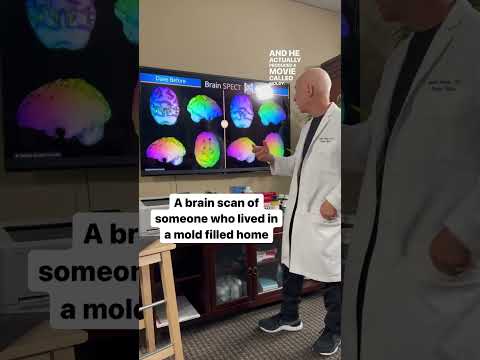
You know how you sometimes just feel off? Like, your head’s all fuzzy, and you can’t seem to focus? Well, it might not just be stress or lack of sleep. Seriously.
Mold is this sneaky little troublemaker that can pop up in our homes. You might not even notice it at first. It tends to hang out in dark, damp corners, living its best life while you’re just trying to get through the day.
But here’s the kicker: mold exposure can mess with more than just your allergies. It can really affect how clear your mind is. I’ve seen friends struggle with this, and it’s eye-opening.
So if you’ve been feeling stuck in a mental fog lately, stick around! We’re gonna dig into how this pesky mold could be messing with your brain function more than you’d expect.
Understanding the Symptoms of Extreme Mold Exposure: A Comprehensive Guide
Mold exposure isn’t just an inconvenience you have to deal with when you find a little fluffy stuff growing in your house. It can actually mess with your health, both physically and mentally. Let’s break down what happens when you’re exposed to extreme mold, particularly how it can throw your mental clarity for a loop.
First off, what is mold? Mold is basically a type of fungus that thrives in damp environments. You’ll usually find it in areas like basements, bathrooms, and around windows where condensation collects. It releases tiny spores into the air, which can be inhaled or land on surfaces.
When we talk about extreme exposure, we mean being around a lot of mold for an extended period. This could happen if there’s a severe leak in your home or if you’re working in an environment like a damp building that’s been poorly maintained. So, what might you experience?
Here are some common symptoms:
Here’s an example: My friend Jake lived in this pretty old apartment for years before he noticed he was always feeling sluggish and forgetful. He thought maybe it was just stress from work or not enough coffee! It wasn’t until he went away on vacation for a week that he realized how bad his place was—the moment he stepped back in his apartment, all those fuzzy memories came rushing back: coughing every night and foggy-headed mornings.
It turns out Jake had black mold lurking behind his walls—totally sneaky! Once he got things checked out and cleaned up the issue, his energy levels began to bounce back along with his memory.
If you think you’ve been exposed to extreme mold and are experiencing these symptoms—or even just feeling kinda off—it makes sense to consult a healthcare professional. They can help sort through what’s real and what’s not.
And don’t forget—it’s super important to keep your living environment clean and dry! Check for leaks and wipe away any visible mold ASAP because nobody wants their mental clarity stolen by some unwanted fungus hanging around their home!
Self-Assessment Guide: Identifying Mold Exposure and Its Impact on Mental Health
Mold exposure isn’t just a headache for your cleaning routine; it can also mess with your mental health! Seriously, when mold gets cozy in your space, it might trigger more than sneezes or itchy eyes. Some people report issues like brain fog, anxiety, or even depression. So let’s break down how that happens and what you can look for.
Identifying Mold Exposure
The first thing to do is identify if you have mold. You might find it lurking in damp spots—think under sinks, bathrooms, or basements. If you notice a weird smell or see those dark spots on walls, take note. It could be mold saying “hello.”
- You might feel more tired than usual.
- Gaining clarity could seem like a tougher task.
- If you’re getting headaches frequently, it’s worth considering.
Mold can release spores into the air that irritate your lungs and sinuses, which isn’t great for anyone. This irritation might lead to anxiety or feelings of unease. Imagine being in a fog where nothing feels right—that’s what chronic exposure can sometimes feel like.
Mental Clarity Issues
Your brain isn’t immune to the effects of mold either. Cognitive functions like memory and problem-solving can take a hit. People describe feeling confused or forgetful after being around moldy conditions. It’s almost like trying to drive through heavy rain—everything’s blurry and nothing is clear.
- You may struggle to focus on tasks at work.
- A minor decision might feel overwhelming.
- Your mood swings could become more frequent.
If this sounds familiar, it’s possible that mold exposure is playing a role in how you’re feeling mentally.
The Connection Between Mold Exposure and Mental Health
This connection isn’t just theory. Research has shown that indoor air quality—where mold often hangs out—can have real implications for our mental wellness. If you’re feeling off mentally and suspect mold could be behind it, don’t hesitate to get things checked out.
- Taking steps to improve air quality might lift your spirits.
- Cleaning up those damp areas can help clear your mind too.
Sometimes people think they just need to push through fatigue or anxiety without considering environmental factors like these.
What You Can Do
If you think you’re dealing with mold exposure and it’s messing with your headspace, consider testing the area for any moisture issues or even hiring professionals if needed. They often know how to handle everything from simple cleanup to identifying sources of leaks.
- Consulting with a doctor about persistent symptoms is also a good idea.
- Talking about how you feel mentally can lead to relief in ways you didn’t expect.
The bottom line? Mold isn’t just an annoying guest in your home; it could be affecting your mental clarity too! Tackling both the physical presence of mold and its mental repercussions could lead you back into clearer waters—one step at a time.
Exploring the Connection: Can Mold Exposure Lead to Psychological Problems?
You know, the whole idea that mold can mess with your head might sound a bit out there. But when you think about it, it actually makes some sense. Mold exposure can lead to a bunch of physical symptoms, and those physical issues can totally impact your mental state. So, let’s break it down.
First off, what’s mold? It’s a type of fungus that grows in damp environments. You usually find it in places like basements, bathrooms, or anywhere there’s water damage. The thing is, when you breathe in mold spores or touch them, they can trigger all sorts of reactions.
Common Symptoms: People often experience symptoms like coughing, sneezing, and skin rashes when they’re around mold. But here’s the kicker: these physical symptoms can lead to psychological problems. If you’re feeling sick all the time or can’t breathe properly, it’s natural to feel anxious or depressed about your health.
Some research has shown that chronic exposure to mold can lead to cognitive issues. This might explain why some people report feeling foggy-headed or having trouble concentrating when they’re in a moldy environment. Imagine trying to get work done while your brain feels like it’s wrapped in cotton; frustrating, right?
And let’s not forget about stress! Living in a place with mold isn’t just uncomfortable; it creates stress and anxiety over potential health risks. That constant worry can affect how you think and feel overall. You’re on edge all the time—which isn’t good for mental clarity!
- Mold Exposure: Can cause respiratory issues.
- Cognitive Problems: Individuals may experience memory issues or inability to focus.
- Anxiety and Stress: Living among mold leads to elevated anxiety levels.
In fact, a friend of mine had this problem with their apartment’s bathroom—mold was everywhere! They started having panic attacks due to the stress of feeling unwell all the time. It was really eye-opening how much their environment affected their mind.
The connection between our surroundings and our mental health is real! If you’re living or working somewhere with visible mold and notice changes in your mood or brain function, it’s worth paying attention.
If you’re concerned about mold exposure leading to psychological problems, don’t hesitate to talk to a professional—or even check with someone who specializes in environmental health. It’s vital you tackle both aspects: getting rid of that pesky mold and addressing any mental health concerns that pop up as a result!
So yeah, keep an eye out for those little spores—your brain will thank you for it!
Mold exposure isn’t just a pesky issue in houses; it can seriously mess with your mind too. So, imagine you’re living in a place where the walls have turned fuzzy and dark spots appear just about everywhere. You start to feel off—maybe a bit foggy, tired, or even anxious—and you don’t quite connect the dots. It’s like your brain’s been wrapped in a thick blanket that won’t budge.
There’s this story I know about a woman named Sarah. She loved her cozy little apartment until one day she noticed some weird smells and saw mold creeping along her kitchen counter. At first, she thought it was just an aesthetic problem; who cares if it’s not Instagram-worthy, right? But gradually, she began feeling more forgetful—like she’d walked into a room and couldn’t remember why she was there. She’d snap at friends over little things and felt an overwhelming sense of confusion that made every task seem ten times harder.
And here’s the thing: mold can release toxins that might be affecting your body and mind in ways you wouldn’t suspect right away. Researchers have pointed out that long-term exposure could lead to problems like fatigue, concentration issues, and even mood swings. There’s definitely something going on here—the connection between our physical environment and mental clarity is real.
When you breathe in those spores, they can trigger inflammatory responses in your body which messes with brain function as well—kind of like how your computer slows down when there are too many tabs open. You follow me? Your system gets overwhelmed!
So yeah, if you find yourself feeling unusually spacey or irritated but can’t really put your finger on why, it might be worth checking around for any hidden mold situations. It could be just what you need to clear your head again—not just from dust but from those mental clouds hanging over you! Taking care of our living spaces is really taking care of our minds too; it’s all connected in this wild way we often overlook.