You know those days when you wake up feeling like a million bucks, and then by afternoon, it’s like someone flipped a switch? Yeah, mood changes can be wild. One minute you’re on top of the world, and the next, it feels like you’re in a deep pit.
So, let’s talk about depression. It isn’t just that “down in the dumps” feeling. It’s so much deeper—like a heavy fog that doesn’t seem to lift. And honestly? We’ve all been there at some point or another, right?
But what really causes these shifts in our mood? And how do they link to something as complex as depression? I mean, it’s not just about feeling sad. There’s a whole psychological layer to unpack here.
Stick around; I promise this won’t get too heavy. Just some real talk about how our brains work when it comes to moods and emotions. You with me?
Understanding Mood Swings: Insights from Psychology on Their Causes and Effects
Understanding mood swings can feel like navigating a roller coaster without a safety harness. One minute you might be on top of the world, and the next, you could feel low or irritable. Let’s break down what’s going on here.
Mood swings are basically those intense emotional shifts that can happen over hours, days, or even weeks. They’re not just about feeling happy or sad; they can involve irritability, anger, or anxiety too. So why do they happen? There are several things that can stir this up:
- Biological Factors: Changes in hormones can trigger mood fluctuations. For example, many women experience mood swings during their menstrual cycle due to hormonal changes.
- Environmental Stressors: Life events like losing a job or going through a tough breakup can rock your emotional boat. These stressors often bring on mood changes.
- Mental Health Conditions: Disorders like bipolar disorder, depression, or anxiety are known for causing persistent mood swings. If you’re dealing with one of these conditions, it’s essential to reach out for help.
- Substance Use: Alcohol and drugs can seriously mess with your mood stability. What starts as a fun night out might end up turning into feelings of sadness when the high wears off.
So here’s the thing: when you’re experiencing these ups and downs, it affects not just how you feel but also how you interact with others. Think about it; if you’ve ever felt irritable for no reason at all, maybe after a stressful week at work or school—you might snap at someone close to you who didn’t deserve it.
It’s also interesting to note how this affects your physical health too. When you’re in that constant state of emotional upheaval, your body feels it. Stress hormones like cortisol kick in and stay elevated longer than they’d like to hang around, affecting everything from sleep quality to immune function.
But the good news? You’re not alone in this journey! Many people experience similar feelings at some point in their lives. It doesn’t mean something is inherently wrong with you; it just shows that being human is complex.
If you’re finding that these mood swings interfere with your daily life—like work obligations or personal relationships—it might be time to speak with someone who gets it. Therapy can provide insights and coping strategies tailored specifically for your situation.
In short, while occasional mood swings are part of life’s ups and downs, understanding their roots in psychology helps us navigate them better—and that’s seriously empowering!
Exploring the Connection Between Psychology and Depression: Insights into Mental Health
So, you know how sometimes your mood just seems to flip on a dime? One moment you’re feeling good, and the next, it’s like you’re in a fog of sadness? That kind of dramatic change can be super confusing. But what’s behind it, especially when it comes to something like depression? Well, let’s break this down a bit.
First off, depression isn’t just about feeling sad. It’s more like having this heavy blanket draped over you all the time. You could be doing things you usually love, and suddenly they feel like a chore. It’s kind of wild how psychology explains these mood changes by looking at thoughts and behaviors. The way your brain processes things can really mess with your emotions.
And here’s where it gets even more interesting: cognitive distortions. Ever heard of ‘em? They’re basically negative thought patterns that can twist your perception of reality. Like thinking you’ll always feel this way or that nothing will ever improve. This isn’t just bad thinking; it’s something professionals study. These distortions can fuel feelings of hopelessness and helplessness—two big buddies of depression.
The connection between psychology and depression is also reflected in how our environment plays a role. Think about it: if you’re living in a stressful environment or dealing with tough relationships, your mental state can take a nosedive. It’s like being stuck in a storm without any shelter; eventually, the rain (or bad feelings) gets to you.
On top of that, there are psychological theories that look at how past experiences shape our emotions. For instance, if someone had childhood trauma or consistent criticism growing up, they might develop negative beliefs about themselves. Those beliefs stick around and can show up as depressive symptoms later on.
Let’s switch gears for a sec and talk about what happens when you’re actually trying to tackle these mood changes. Therapy often helps by focusing on changing those gnarly thought patterns through techniques like cognitive-behavioral therapy (CBT). With CBT, the goal is to catch yourself when those funky thoughts pop up and challenge them—kind of like playing mental whack-a-mole.
And then there are medications that some folks might use alongside therapy. They can sometimes help balance out the chemicals in your brain that affect mood—like serotonin or dopamine—and make it easier to deal with those pesky symptoms of depression.
Understanding this connection between psychology and depression is crucial not just for people who experience it but also for friends and family trying to support them. You know? Once we get why someone might be feeling down or why their moods flip so rapidly, it’s easier to approach them with compassion rather than frustration.
So yeah, mental health is complex but super important to understand because we’re all human at the end of the day—just trying to make sense of our feelings amidst all life throws at us!
Understanding Mood Disorders: A Psychological Perspective on Mental Health
Mood disorders, like depression and bipolar disorder, can really shake things up in your life, you know? They mess with how you feel and how you interact with the world around you. Imagine waking up one day feeling like the sun’s shining just for you, and the next day it’s like a dark cloud just won’t lift. That’s basically what mood disorders do—they cause significant shifts in emotional states.
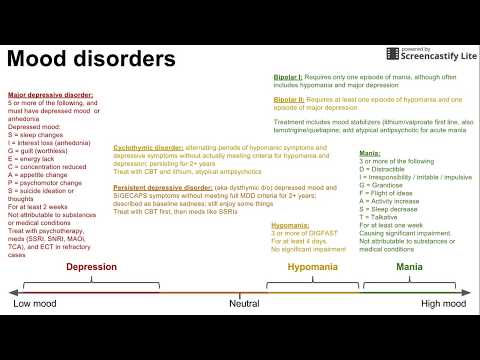
When it comes to **mood changes**, it’s important to recognize that they’re not just about feeling sad or happy. It’s also about how those feelings influence your daily life. In psychology, we think of these changes as being part of a broader spectrum. For instance:
- Depression often manifests as persistent sadness—or it can feel numbness too. People might lose interest in activities they once loved.
- Bipolar disorder includes extreme highs (manic episodes) where you’re full of energy and racing thoughts, followed by deep lows that can leave you feeling helpless.
- Dysthymia, or persistent depressive disorder, is more of a chronic form where those low feelings linger over time.
Now, let’s talk about what brings this on. The thing is mood disorders usually involve both biological and environmental factors. Maybe there’s a family history of mental health issues—like a parent who struggled with depression—or sometimes it’s triggered by stress or trauma.
Think about someone who went through a really tough breakup or lost someone close to them. It may lead to overwhelming sadness that doesn’t seem to fade away even after some time has passed. That’s when you might want to take it seriously because it could be something deeper.
Plus, there’s that psychological piece too! Cognitive patterns can play a role here. If your thoughts are filled with negativity—like “I’m never going to be happy” or “Nothing ever goes right”—those ideas can get stuck on repeat. It basically creates this loop where negative feelings feed off negative thoughts.
Talking about treatment options—it’s not one-size-fits-all. Some folks find relief through therapy—cognitive behavioral therapy (CBT) is popular because it helps change those negative thought patterns I just mentioned. Others might turn to medication which helps balance mood-regulating chemicals in the brain.
You ever hear the phrase “you’ve got to take care of yourself?” Well, self-care is vital for managing mood disorders too! Simple things like regular exercise or hanging out with friends can help lift your spirits and maintain balance.
Living with a mood disorder isn’t easy; every day can feel like a challenge at times. But recognizing what’s happening is already half the battle won! Understanding these types of conditions allows us to approach them with compassion—not just for ourselves but for others too. When we see someone struggling, we could look beyond their behavior and recognize they might be battling their own inner storm.
So there you have it—a little peek into mood disorders from a psychological angle! They affect so many aspects of life but knowing more could help make sense of what you’re going through—or support someone else who may be facing similar challenges.
Mood changes can really throw you for a loop, can’t they? One minute you’re feeling on top of the world, and the next, it’s like someone flipped a switch. It’s completely normal to ride the emotional rollercoaster from time to time. But when those mood dips turn into something more persistent—like feeling low for days on end—it might be a sign of something deeper, like depression.
You know, I remember this one friend who was always the life of the party. But then, out of nowhere, they started pulling away from everything. They’d miss hangouts and not return texts. And I could see they were struggling, but it was tough to get them to talk about it. That’s kind of how depression works; it creeps in quietly and can cloud everything around you.
Psychologically speaking, our moods are influenced by an entire mix of factors: hormones, life events, even our biology. It’s common for your brain chemistry to take a hit when life gets rough or stressful. Ever heard of serotonin? It’s often called the “feel-good” chemical because it plays a big role in mood regulation. When levels drop due to various reasons—stressful situations or health issues—your outlook on life can dim pretty fast.
But here’s the kicker: Understanding that what you’re feeling isn’t just “all in your head” is crucial. Mood changes are real and valid—even if they don’t make sense right away. That realization alone can be freeing! And if you’re going through this yourself or worry about someone else, being proactive is key. Whether it’s talking things out with a buddy or reaching out for professional help, taking those steps matters.
Remember that it’s okay to feel off sometimes; every human experiences ups and downs. Just don’t let those down days linger longer than they should without doing something about them! Talking openly about mood changes can shine light in dark places—and trust me; you don’t have to face this alone!