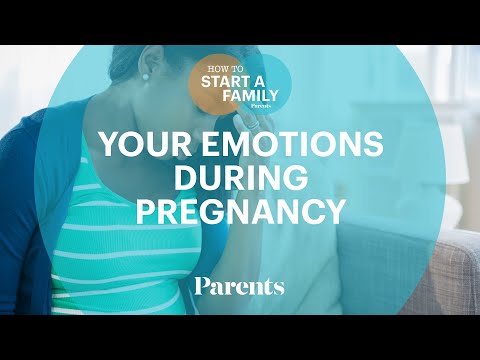
So, you’re pregnant? That’s amazing! But also, like, wow—emotions can really go haywire during this time. One minute you’re over the moon, and the next, you’re crying over a commercial about puppies. Seriously!
It’s totally normal to feel all sorts of things as your body changes and that little one grows inside you. You might feel happiness, anxiety, fear… even confusion. Emotional shifts can hit hard!
Life is about to change in a big way, and it’s okay to feel all those feelings. You’re not alone in this rollercoaster ride. Let’s chat about what to expect when it comes to your emotions during pregnancy. It’s like a wild journey only pregnant folks really understand!
Emotional Well-being During Pregnancy: Tips for Managing Your Feelings Effectively
Pregnancy is a wild ride, isn’t it? You’re growing a tiny human, which is amazing, but it also stirs up a whirlwind of emotions. Seriously, one moment you might feel like you’re on top of the world, and the next you’re crying over a commercial. That’s totally normal—it’s just your hormones doing their thing.
To help you manage these shifting emotions, here are some effective strategies:
- Talk it Out: Don’t bottle stuff up! Share your feelings with someone you trust—partner, friend or even a family member. Just voicing what you’re going through can lighten the emotional load.
- Exercise: Moving your body can really boost your mood. Whether it’s a gentle stroll or some prenatal yoga, find what feels right for you. It helps release those feel-good endorphins!
- Rest and Relaxation: Listen to your body. If you’re tired or feeling overwhelmed, take a break. A good nap can work wonders for your emotional state.
- Meditation and Mindfulness: These practices can help ground you when emotions start to spike. Just take a few moments to breathe deeply—focus on the here and now. You’d be surprised how this can calm the chaos in your head.
- Avoid Comparisons: Social media sometimes makes it hard not to compare yourself to others in their pregnancies. Remember that everyone’s journey is different; focus on yours instead!
I remember one friend who felt like she was on an emotional roller coaster during her pregnancy. Some days she was elated about picking out baby names, while other days she’d sob over *literally* nothing! But sharing those feelings with her partner was key for her—it helped them connect more deeply and eased her anxiety.
If things get tough or if you notice persistent feelings of sadness or anxiety that interfere with daily life, don’t hesitate to reach out for support from a mental health professional. Seriously! Seeking help is strong and wise.
You’ve got this journey ahead of you! By practicing these strategies and being kind to yourself along the way, managing your emotional well-being during pregnancy can become much easier.
Exploring the Impact of Mood Swings During Pregnancy on Baby’s Development
Pregnancy can be a wild ride, right? You’re not just growing a tiny human; you’re also dealing with a whole rollercoaster of emotions. Mood swings during this time are super common, and they can affect both you and your baby. So let’s explore that a bit.
First off, it’s important to understand what mood swings really are. Basically, they’re sudden changes in your emotional state. You might feel overjoyed one minute and then suddenly overwhelmed or anxious the next. These shifts can be influenced by hormonal changes, physical discomfort, or even stress from things like work or family dynamics.
How do these mood swings affect the baby? Well, research suggests that when a pregnant person is experiencing extreme mood changes, it could potentially influence fetal development. Stress hormones like cortisol can cross the placenta. So if you’re feeling really stressed out, your baby might be feeling some of that too.
You might wonder how this all plays out in real life. Let’s say you had a day where everything felt heavy—like nothing was going right at all. If those heavy feelings stick around for a while, studies have shown that prolonged stress could potentially lead to **mood regulation issues** in the child later on. It’s not just about being sad; it’s about how long those feelings last.
On the flip side, there are also positive emotions that can play a role! Feelings of joy and excitement can create an environment that’s more conducive to healthy development. When you feel good and relaxed, your body releases endorphins which are great for both you and the fetus.
Here’s something to keep in mind: communication matters. If you’re feeling overwhelmed or having mood swings—it’s important to talk about it! Whether it’s with your partner, friends, or healthcare provider—sharing what you’re going through can help lighten the emotional load.
Practices like deep breathing or yoga can help manage those vast emotional tides.
Whether it’s from friends during coffee dates or counseling services—it helps to have folks around who understand what you’re going through.
They can give tailored advice on managing anxiety or stress throughout pregnancy.
Also worth mentioning is that every person experiences pregnancy differently. So don’t feel bad if you find yourself feeling moody sometimes! It happens to the best of us—it doesn’t make you any less of an amazing parent-to-be.
To sum up: yes, mood swings during pregnancy matter—not just for you but also for your little one developing inside. Strive for balance where you can, lean on your support system when needed, and remember: it’s about navigating this journey together with lots of love and understanding!
Understanding Emotional Peaks: When Do Pregnancy Emotions Intensify?
Pregnancy is like a rollercoaster ride for your emotions. Seriously, one moment you’re all smiles and joy, and the next you might be crying over a spilled glass of water. You follow me? Let’s break down when these emotional peaks are most likely to happen during the journey.
First Trimester: The Surprise Wave
The first trimester can feel like a whirlwind. You’ve just found out you’re pregnant, which can stir up excitement but also anxiety. Hormones are going haywire at this stage—estrogen and progesterone are skyrocketing. This is when many people experience mood swings, and it’s completely normal.
- You might feel overjoyed one minute and then anxious or teary the next.
- Fatigue from the physical changes can add to these emotional shifts.
I remember my friend Jessica telling me how she’d be laughing about baby names one moment, then suddenly feeling overwhelmed about her career plans the next. It’s like your brain doesn’t know how to keep up with everything happening!
Second Trimester: The Calm Before the Storm
This phase often brings some relief from those intense early emotions. Many women report feeling more balanced here. Maybe it’s because morning sickness is fading away or because you’re starting to show—there’s something exciting about that!
- However, don’t be surprised if you still have moments of anxiety or fear.
- Thinking about life changes can trigger that intensity again.
If you’re feeling better but still have worries, that’s totally okay. This is when many start thinking about parenting styles or their relationships changing. A friend of mine felt so relieved at this point; she finally felt her body was getting into pregnancy mode!
Third Trimester: Emotional Surge Again
- You might feel nervous about labor and delivery.
- The reality of parenthood settles in—and that can bring lots of feelings!
A coworker shared with me how ecstatic she was to see her nursery set up, then cried thinking about not being “just herself” anymore after baby came! It’s that push-pull of joy and anxiety that makes third-trimester emotions so wild.
The Role of Support Systems
- Your partner’s understanding matters a lot during these times.
- A supportive friend who listens can make all the difference too.
So there you have it—the emotional rollercoaster called pregnancy has its ups and downs at various stages. Just remember it’s totally normal! Emotions swaying back-and-forth doesn’t mean something’s wrong—it just means you’re on a unique life journey filled with surprises.
Pregnancy can be this beautiful rollercoaster, can’t it? One minute, you’re glowing and feeling like a superstar. The next minute, you’re crying over a commercial about puppies. Seriously, it’s like your emotions are on a wild ride with no seatbelts.
I remember when my friend Sarah was pregnant. She was super excited at first, but then she hit this point where everything felt overwhelming. One day, she was sitting on her couch just sobbing over a song that had nothing to do with anything. It was like she just needed to let all those feelings out. You know?
What happens is that pregnancy messes with your hormones, and that’s a major player in all these emotional shifts. Your body is going through some serious changes—growing life takes its toll! Those hormones can turn even the smallest stuff into an emotional tidal wave. You might find yourself snapping at your partner for leaving the cap off the toothpaste or bursting into tears at a baby store while looking at cute onesies.
But hey, you’re not alone in this. Many women experience similar ups and downs. It’s completely normal to feel joy mixed with anxiety or excitement paired with fear about becoming a parent. Your thoughts are racing; there’s so much to prepare for! Acknowledging these emotional swings can help you navigate them better.
Support systems are key here. Lean on your friends or family who have been there before—those people can really help you feel less isolated in your experiences. And if everything feels too heavy to carry alone? Talking to someone—a therapist or counselor—can provide you with tools to cope.
So when those emotional waves come crashing down, remind yourself it’s okay to feel everything deeply during this time of transformation. You’re growing a human! That’s no small feat! Embrace those feelings as part of the journey and know that on the other side lies something truly amazing: motherhood itself.