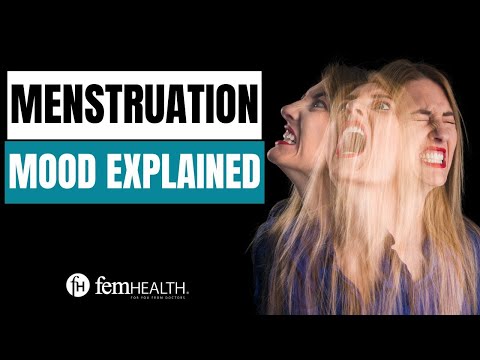
So, let’s talk about something we all go through but rarely chat about—mood changes after ovulation. You know, that time in the month when your emotions seem to have a mind of their own?
One minute you’re feeling like a superstar, and the next, you’re crying over a cute puppy video. Seriously, what gives?
It’s wild how our bodies can mess with our heads. Hormones play a huge role in all this moodiness, and it can really color our day-to-day lives.
Ever felt like you were on an emotional rollercoaster? Yeah, it’s not just you! Let’s break down why this happens and how it might make you feel.
Understanding Emotional Changes: Why You Feel More Sensitive Two Days After Ovulation
So, you want to know why you might feel a little more sensitive just a couple of days after ovulation, huh? Well, you’re not alone in this. Many people experience emotional changes throughout their cycle, especially around that time. Let’s break it down.
After ovulation—usually around day 14 of a typical cycle—your body goes through some serious hormonal shifts. It’s like a rollercoaster ride that can leave you feeling, well, all over the place emotionally. You see, your ovaries release an egg and at the same time spike your levels of progesterone. This hormone is vital for preparing your body for a potential pregnancy.
Now, here’s where things get interesting. Progesterone can have some mood-altering effects. For some folks, it might feel like they’re on an emotional high—they may feel more relaxed or in tune with their feelings. But then again, others may find themselves feeling teary-eyed and easily irritable instead.
- Emotional sensitivity: This change isn’t just about one hormone; it involves a complex dance with other hormones like estrogen as well.
- Impact on neurotransmitters: Higher progesterone levels can affect neurotransmitters in your brain. Serotonin—the “happy” chemical—might take a hit, leading to mood swings.
- PMS-like symptoms: Some people relate these feelings to premenstrual syndrome (PMS). So if you’re feeling cranky or moody right after ovulation, it’s understandable!
Anecdote alert! A friend of mine once told me about her experience during this time. She’d be perfectly fine at first but then out of nowhere—bam!—she’d burst into tears while watching TV over something silly like a cat video. It caught her off guard entirely! She started tracking her cycle and realized that those emotional waves were always there right after ovulation.
The thing is, listening to your body helps; it’s like getting to know yourself better every month. If you’re aware that this emotional sensitivity is tied to your cycle, it can give you insights into how to cope with those feelings when they arrive.
A couple of strategies include journaling how you feel throughout the month or practicing mindfulness techniques to manage those heightened emotions when they hit. Sometimes just being aware is half the battle won!
So there you have it—feeling sensitive just after ovulation isn’t all that strange and totally tied to hormonal changes. Your body is doing its thing! Just remember that it’s okay to feel these emotions; they’re part of being human.
Understanding the Emotional Effects of Ovulation: How Hormones Influence Your Feelings
It’s pretty wild how our bodies play a huge role in how we feel, especially when it comes to ovulation. You know, that moment in the menstrual cycle when your body is all geared up for a potential pregnancy? Well, guess what? It also brings along a whole bunch of emotions and mood swings thanks to those little things called hormones.
Hormones can swing your mood like a pendulum. They’re often sneaky players in the background, doing their thing without us even noticing. After ovulation, levels of estrogen drop while progesterone kicks in. This shift can lead to feelings of irritability or sadness for some people. So if you find yourself feeling weepy over a commercial or snappy at your partner for no reason, you might wanna check where you are in your cycle.
You’re not alone either; many experience this rollercoaster ride. Picture this: Last month, my friend Sarah was having a blast hanging out with friends right before her period. Then came ovulation, and bam! She felt out of sorts—like she couldn’t shake off an invisible cloud hanging over her head. It’s not just her; lots of folks report these changes around this time.
- PMS vs. Post-Ovulation Mood Swings: A lot of people think PMS is all about pre-period blues. But really, emotional ups and downs can also happen after ovulation as those hormone levels fluctuate.
- Physical Symptoms: Sometimes, it’s not just about emotions. Breast tenderness or bloating can add to feeling cranky or anxious during this phase.
- Coping Mechanisms: So what can help? Some find that regular exercise lifts their spirits or talk therapy helps them navigate through these hormonal shifts.
What’s really fascinating is that the emotional effects aren’t the same for everyone. While one person might feel super energetic and social right after ovulating, another could feel more withdrawn or anxious as those hormone levels change post-ovulation.
If you’re curious how this all connects emotionally, think about those moments where everything seems heightened—happy things make you giggle more loudly and sad moments hit harder than usual—yeah, that’s what I’m talking about.
In short, understanding these hormonal influences helps us be kinder to ourselves during tough emotional patches. It’s okay to feel off sometimes! Just remember that it might be more about biology than anything you’re doing wrong. And always listen to yourself; if the feelings become overwhelming or unmanageable, reaching out for support isn’t just smart—it’s essential!
Exploring Post-Ovulation Mood Changes: Understanding Emotional Shifts and Their Impact on Well-Being
Exploring mood changes after ovulation can be a real eye-opener. Many people experience emotional shifts during their menstrual cycle, and understanding these changes can help you navigate your well-being a little better. So, let’s unpack this.
After ovulation, which usually occurs about midway through the cycle, there’s a surge in hormones like progesterone. This hormone plays a big role in preparing your body for a potential pregnancy. But here’s the catch: it can also affect your mood.
Mood swings are pretty common around this time. You might find yourself feeling more irritable or emotional than usual. It’s not just in your head—hormones can truly sway how you feel. Some people report having a shorter fuse or bursting into tears over things that usually wouldn’t bother them at all.
It’s like the time my friend Sarah decided to watch a rom-com after ovulation. Normally, she loves those cheesy movies. But on that particular day, she ended up crying over every little thing—the characters’ struggles felt way too real! It wasn’t just her imagination; hormones were at play.
But let’s break down some of the key points about post-ovulation mood changes:
- Anxiety and Depression: Some folks experience increased anxiety or even depressive symptoms after ovulation due to hormonal fluctuations.
- Fatigue: This phase can also bring physical tiredness, which might heighten emotional sensitivity.
- Food Cravings: Getting hit with cravings for comfort foods is another common one—think chocolate or carbs!
- Relationship Dynamics: It’s worth noting that these emotional shifts can impact relationships too, leading to misunderstandings.
Understanding these patterns gives you more power over how you feel day-to-day. Tracking your cycle might help identify when these changes happen for you personally, allowing better preparation for emotionally tougher days.
So what about coping strategies? Well, some people find it helpful to practice mindfulness or engage in light exercise during this phase to combat feelings of irritability or sadness. Others swear by journaling their feelings—getting thoughts out on paper can be incredibly freeing!
Remember that everyone experiences these changes differently. What works for one person may not help another at all; it’s all about finding what suits you best! Just being aware of these hormonal effects could make it easier when they come calling every month.
In summary, the post-ovulation period is marked by noticeable emotional shifts due to hormonal changes that impact mood significantly. By recognizing and understanding these fluctuations, you empower yourself to manage them better and maintain good mental health throughout your cycle!
You know, it’s kind of interesting how our moods can shift like the weather, especially for people with a menstrual cycle. I mean, after ovulation, things can get a bit wild. For some folks, it’s like a rollercoaster ride—up one minute and down the next.
So here’s what happens: once you ovulate, your body kicks in with a surge of hormones like progesterone. And while hormones are super important for all sorts of bodily functions, they can also play tricks on our emotions. You might feel great and confident one day, and the next day you’re on the verge of tears over something totally silly—a TV commercial or that time your friend stole the last slice of pizza.
I remember this one time in college when my roommate was going through her cycle. One day she was all about positivity and making plans for the weekend. The next day? She started crying over a cute puppy video—like full-on sobbing! I thought something was seriously wrong until she mentioned it was right after ovulation. It was surprising to see how her emotions shifted based on her body’s natural rhythm.
These mood swings aren’t just about being cranky or emotional; sometimes they bring out creativity or energy too! Like when that surge of progesterone makes you want to tackle a new hobby or call up an old friend because you just feel more… alive? It’s wild how these little biological shifts shape our everyday experiences.
So yeah, while those mood changes can be rough sometimes—creating misunderstandings or relationship hiccups—they’re just part of this big emotional kaleidoscope that comes with being human. Everyone’s experience is unique too; some people might hardly notice changes, while others feel them acutely.
In any case, understanding this ebb and flow can help you be kinder to yourself during those funkier days—and maybe even have a laugh about it later!