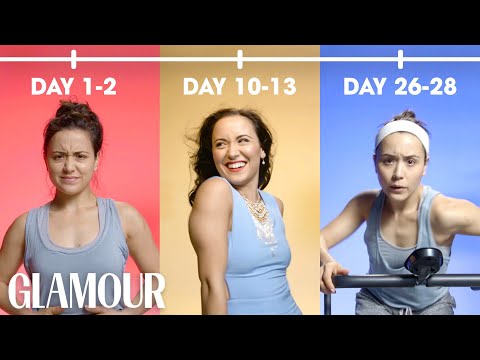
You know how some days you feel like a superhero, and other days you just wanna curl up in a ball? Yeah, that’s kind of what we’re talking about.
If you’re someone who has periods, those emotional shifts can feel like riding a rollercoaster—up and down, twist and turn. Seriously, one minute you’re on top of the world, and the next, you’re crying over a cat video.
It’s wild how your hormones can play tricks on your mood, isn’t it? But here’s the thing: it’s totally normal! Understanding these changes can actually help you ride those waves instead of feeling like you’re drowning in them.
So grab a snack and let’s chat about how your cycle affects your emotions. Trust me; you’ll feel less alone in this!
Understanding Menstrual Cycle Mood Swings: A Comprehensive Chart and Guide
Oh, the menstrual cycle! It’s not just about periods; it’s a whole emotional rollercoaster, isn’t it? Understanding your mood during this time can feel a bit like decoding an ancient language. But don’t worry, I’ve got your back.
So, basically, the menstrual cycle usually lasts around **28 days**, but it can be shorter or longer for different folks. The cycle is divided into four main phases: **menstrual**, **follicular**, **ovulatory**, and **luteal**. Each phase comes with its own emotional vibes. Let’s unpack these phases one by one.
Menstrual Phase (Days 1-5)
This is when you’re on your period, and hormones are at a low point. You might feel tired and a bit cranky. It’s totally normal to want to curl up with a good book or binge-watch your favorite series.
- Common emotions: Sadness or irritability.
- Example: You might snap at someone for stealing your fries without even meaning to!
Follicular Phase (Days 6-14)
As you move past your period, your body starts gearing up for ovulation. Estrogen levels rise here, which typically boosts mood and energy.
- Common emotions: Increased happiness and motivation.
- Example: You might feel more social and want to hit up that coffee shop with friends.
Ovulatory Phase (Days 15-17)
This is like the peak party time of your cycle! Estrogen hits its highest point, plus luteinizing hormone spikes too. You may feel attractive or flirty during this phase.
- Common emotions: Confidence and excitement.
- Example: Maybe you’ll get the courage to text that crush!
Luteal Phase (Days 18-28)
Now things can take a turn again as progesterone increases in preparation for a possible pregnancy. If pregnancy doesn’t happen, both estrogen and progesterone fall just before your period starts again.
- Common emotions: Mood swings, anxiety, or irritability.
- Example: You could go from feeling great one minute to snapping at someone the next—super confusing!
Understanding these fluctuations helps—you know? It can make those ups and downs feel less overwhelming. When you’re aware of what’s happening in your body, it can ease some frustration.
It’s also worth noting that while mood swings are normal, they can sometimes lead to more severe issues like PMDD (premenstrual dysphoric disorder), which is basically PMS taken up several notches—it affects about 3-8% of people who menstruate.
So yeah! Your menstrual cycle influences how you feel emotionally throughout the month in pretty significant ways—from feeling low during menstruation to riding high during ovulation! Knowing where you are in this cycle helps manage those moods better—plus maybe throw in some self-care rituals when things get tough? Sounds good, right?
Understanding the 4 Phases of the Menstrual Cycle and Their Emotional Impact
The menstrual cycle is way more than just that time of the month. Seriously, it’s like a four-act play where your body takes center stage. Each phase affects not just your physical health but also your emotional state. So, let’s break it down! Here are the four phases and how they can mess with your feelings.
1. Menstrual Phase
This is when your period hits, and it usually lasts 3-7 days. You might feel all sorts of emotions—ranging from sad to irritated. It’s totally normal! Your hormones are at their lowest during this phase, which can make you feel a bit more introspective or even down, you know? Think about how you might want to curl up with a blanket and binge-watch some shows rather than go out.
2. Follicular Phase
After your period ends, things start to change for the better! The follicular phase kicks off and lasts about 7-10 days. Here’s where estrogen rises and it basically feels like a fresh start. You might notice feeling more energetic or motivated—perfect for starting new projects or meeting up with friends!
3. Ovulatory Phase
This phase is super brief—only lasting about 3-5 days—which is kind of sad because it’s when you’re at your emotional peak! With estrogen at its highest, many folks find themselves feeling social, confident, and even flirty. It’s that time in the cycle where you might feel like the life of the party or decide to tackle difficult conversations head-on.
4. Luteal Phase
And then, we hit the luteal phase; it lasts around 10-14 days before your next period begins. This one can be a rollercoaster ride! As progesterone rises and then falls later on in this phase, you may experience mood swings or irritability—it’s basically PMS for many people. You might feel tired or on edge; sometimes even little things make you want to cry or snap!
The thing is, these emotional changes are completely normal and reflect what’s happening hormonally in your body as each phase unfolds.
If you’ve ever felt like you’re on an emotional seesaw throughout the month, it’s likely because of these hormonal shifts playing tricks on you—and that’s okay! Understanding this cycle can really help put things in perspective when those feelings hit unexpectedly.
Understanding Physical and Emotional Changes During Your Menstrual Cycle: A Comprehensive Guide
The menstrual cycle can feel like a rollercoaster, right? One minute you’re on top of the world, and the next, you’re crying over a sad commercial. This emotional ride is totally normal and has lots to do with changes in your body. Let’s break this down in simple terms.
First off, the menstrual cycle usually lasts about **28 days**, although it can vary. Your body goes through different phases during this time, and each phase comes with its own set of **physical and emotional changes**.
Menstrual Phase (Days 1-5)
During this phase, your period starts. It’s not just physical discomfort; a lot of people feel low energy or mood swings too. You might be feeling moody or irritable because hormone levels are at their lowest point.
Follicular Phase (Days 1-13)
After your period ends, your body gets back to business! Hormones like estrogen start to rise. This is when many feel more energetic and positive. You might notice you’re more social or open to new experiences.
Ovulation (Around Day 14)
This is like the peak of your cycle! Estrogen hits its highest level just before ovulation, so you may feel really good emotionally—confident and maybe even a bit frisky! It’s that “I’m ready to take on the world” vibe.
Luteal Phase (Days 15-28)
As we head towards the end of the cycle, things change again. Progesterone rises after ovulation, which can lead to PMS symptoms for some folks—think bloating, mood swings, or fatigue. You might feel more irritable or anxious as this phase progresses.
So why does all this happen? Well, it’s all about hormones! When they shift throughout your cycle, they can affect neurotransmitters in your brain that regulate mood. For instance:
- Estrogen: Often linked to feelings of well-being.
- Progesterone: Can sometimes lead to feelings of anxiety or sadness.
It’s not uncommon for someone to say during their luteal phase something like “Why am I so emotional right now?” And often it’s just those hormone fluctuations doing their thing!
Also, lifestyle factors play a role here too. Lack of sleep or stressful situations can amplify those emotional shifts happening because of your cycle.
Understanding these hormonal ups and downs helps you see that it’s not all in your head—it’s biological! This knowledge can give you a sense of control over how you’re feeling at different times during the month.
It’s important too to note that everyone experiences these phases differently. Some may hardly notice these shifts while others might have intense emotions or symptoms throughout their cycle.
If you’re finding it hard to manage emotional changes—or if they’re affecting your daily life—talking with a healthcare provider could be helpful. They can suggest strategies or options to help you feel better as you navigate through each phase.
So next time you find yourself feeling unusually cranky or super happy outta nowhere? Just remember—it could very well be related to where you’re at in your menstrual cycle! You’re definitely not alone in this journey; many go through similar experiences every month.
You know, it’s pretty wild how your emotions can do a total rollercoaster ride throughout the menstrual cycle. Like, just when you think you’ve got a handle on things, bam! You’re hit with some unexpected feelings. I remember a friend of mine, Sarah. One month she’d be laughing and carefree, and the next month? Well, she’d be teary over the silliest things, like a cat video or something.
Seriously though, there’s definitely a biological reason behind this. You’ve got hormones like estrogen and progesterone that fluctuate as the cycle goes on. They can affect your brain chemistry—making you feel more anxious or moody at different times. It’s kinda like having an invisible weather system inside you: sunny one day and stormy the next.
The thing is, these emotional shifts are super common but often ignored or misunderstood. Some folks might dismiss them as “just being hormonal,” while others really feel overwhelmed by the intensity of their emotions. It can make social situations tricky; some days you wanna party and other days you’re just not into it at all.
And let’s talk about PMS (that dreaded premenstrual syndrome). For many people, it’s real! It can bring not just mood changes but also fatigue and irritability—almost like being on an emotional fire drill for a week straight. There’s that feeling of being out of control that can make it tough to focus on daily tasks.
You might even notice how these emotional ups and downs influence relationships too. Sometimes friends or partners don’t get why you’re feeling off; they might think you’re just overreacting or having an off day when in reality it’s hormonal chaos doing its thing.
But hey, there are ways to cope! Keeping track of your cycle can help in understanding those shifts better—like recognizing when your feelings might spike so you’re kinda prepared for them? And if things get really tough? Talking to someone—a friend or even a therapist—can lighten the load.
So yeah, emotional shifts during your menstrual cycle are totally normal. They’re just part of how our bodies work—sometimes inconvenient for sure—but knowing that it’s all connected can help you navigate those waves with a bit more ease and grace.