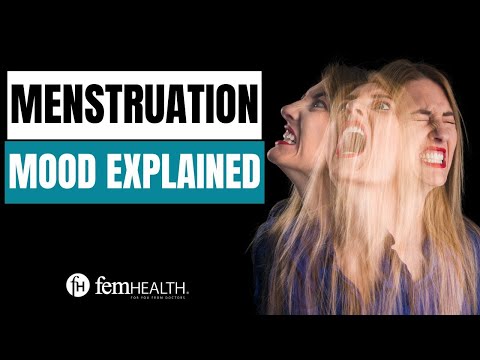
So, let’s get real for a second. You know how some days you feel like you could conquer the world? And then—bam!—the next moment, you’re in a funk that feels like it’ll never end?
Well, if you’re someone who menstruates, those mood swings might just be part of the package. Seriously. Your hormones have a wild way of messing with your feelings throughout your cycle.
Sometimes it’s like riding an emotional rollercoaster. One minute you’re super chill, and the next you’re on the verge of tears over…nothing! It can totally shake up your mental health too.
Ever noticed how those ups and downs can make life feel like a bit of a struggle? Yeah, me too. Let’s chat about what’s going on up there and why understanding this stuff is so important!
Understanding Menstrual Cycle Mood Swings: A Comprehensive Chart Guide
Understanding the ups and downs of mood swings during your menstrual cycle is super important. Seriously, it can feel like you’re on a crazy roller coaster some days, right? This isn’t just in your head; there’s actual science behind it. Let’s break it down.
First off, hormones play a huge role in how you feel throughout your cycle. You’ve got estrogen and progesterone fluctuating all over the place. When these levels change, it can seriously affect your brain’s chemistry. Think of hormones as the mood directors of your body.
During the **menstrual phase** (that’s when you’re bleeding), estrogen starts low but gradually increases. You might feel low energy or a bit cranky because your body is shedding its uterine lining. But hang in there; this phase doesn’t last long.
Then comes the **follicular phase**—this is when things start to look up! As estrogen rises, so does your mood. You might notice more energy and motivation during this time. It’s like hitting that sweet spot where everything feels more manageable.
So here are some key points about the next phase:
- Ovulation: This is around day 14 if you have a 28-day cycle. Your estrogen peaks here, making you feel amazing! Seriously, libido spikes, energy levels are on fire—it’s a good time!
- Luteal Phase: After ovulation, progesterone kicks in big time. Some people get hit with PMS symptoms like mood swings, irritability or even sadness as this hormone rises.
- PMS Symptoms: Things like bloating or cravings? Yeah, they pop up during this phase too and can really mess with how you’re feeling emotionally.
Now let’s talk about how these shifts can impact mental health. When those hormone levels drop before your period starts, it’s common to feel a bit down or anxious. If you’ve ever felt extra emotional while watching an ad for puppy adoption—as if that’s not normal—you know what I mean!
It can also lead to conditions like PMDD (premenstrual dysphoric disorder), which can make mood changes severe enough to interfere with daily life. If you’re finding that these mood swings are too much to handle or affecting your relationships and work, it might be worth chatting with someone who gets it—like a therapist.
In summary:
– Hormonal fluctuations directly affect how you feel.
– The different phases of your menstrual cycle come with their own unique emotional experiences.
– Awareness of these changes can help you manage expectations and reactions better.
Learning about what happens month-to-month helps demystify those intense feelings that come out of nowhere sometimes. It gives you back some control over those sneaky emotions! Just remember: it’s completely normal to experience ups and downs during this time—it doesn’t define who you are overall!
Effective Strategies for Managing Mood Swings During Your Period
Managing mood swings during your period can feel like a rollercoaster ride, right? One day you’re feeling on top of the world, and the next, you’re crying over a sad commercial. It’s no joke. Hormones are changing, and that can really mess with how you feel emotionally. So let’s talk about some effective strategies to help you navigate those mood shifts.
First off, understanding your cycle is key. Keeping track of when your period starts and ends might help you spot patterns in your mood changes. You know, like if you get really irritable right before or during your cycle. Apps can be super handy for this—just pop in your dates, and they’ll do the math for you!
Then there’s the whole self-care angle. Seriously, taking time for yourself is crucial. Find little things that make you happy or relaxed:
- Exercise: Some light exercise can lift your spirits. Even a quick walk could do wonders.
- Relaxation techniques: Try deep breathing or yoga. They help calm those stormy emotions.
- Diet choices: Eating nutritious foods like fruits and veggies can make a difference.
Also, don’t underestimate the power of talking it out with someone who gets it—like friends or family members who have had similar experiences. Sharing what you’re going through can lighten the load, making it less isolating.
Now let’s touch on medication options. Some folks find that hormonal birth control smooths out their mood swings by regulating hormones more consistently throughout their cycle. Others may be prescribed antidepressants if their mood changes are more severe. Talking to a healthcare provider about these options may be worth considering.
And hey, sometimes just recognizing that these fluctuations are normal helps too! You’re not alone in this struggle; many people experience ups and downs during their periods.
Lastly, remember to be kind to yourself during tough times. It’s easy to fall into negative self-talk when you’re feeling low or moody—but try to flip that script! Acknowledge how you’re feeling instead of beating yourself up about it.
So there ya go! Managing mood swings doesn’t have to be an impossible task; with a little awareness and some helpful strategies under your belt, you’ll find it gets easier over time. Seriously, hang in there—you got this!
Understanding the Physical and Emotional Changes During Your Menstrual Cycle: A Comprehensive Guide
When you think about your menstrual cycle, it’s easy to focus on the physical stuff—like cramps or bloating—but there’s a whole roller coaster of emotions going on too. You might feel like you’re riding a wave, sometimes on the ups, other times crashing down. So let’s break this down a bit.
The Phases
Your menstrual cycle can be divided into four main phases:
Mood Changes
It’s pretty normal to experience mood changes throughout your cycle due to hormone fluctuations:
– **Increased irritability**: This can happen during the luteal phase; everything feels overwhelming.
– **Anxiety spikes**: Some people notice heightened anxiety right before their period starts.
– **Feeling down**: It’s not unusual for feelings of sadness or hopelessness to sneak in during certain phases.
One friend shared how she dreads those last few days before her period because she feels like she’s stuck in a fog. She knows it will pass but living through it? Total drag.
The Biological Connection
Okay, so why does all this happen? Well, hormones like serotonin—the mood-regulating chemical—are influenced by these cycles. When estrogen decreases right before your period, it can lower serotonin levels too. That combo can make you feel more down than usual.
Also worth mentioning is how PMS, or premenstrual syndrome, affects many people at different levels of severity. For some individuals, PMS symptoms can lead to significant emotional distress affecting daily life—seriously impacting mental health.
Coping Strategies
If you find yourself grappling with mood changes during your cycle, there are ways to help manage them:
Things like yoga or meditation have also worked wonders for many folks looking for calm amid that cyclical storm.
The Bottom Line
Understanding what happens with both physical and emotional changes during your menstrual cycle helps give insight into what you’re feeling month after month. It’s part of being human! If things ever seem too tough or overwhelming though? Don’t hesitate—reach out for support from friends or professionals who get it!
You know, mood swings during your period can feel like riding a roller coaster you didn’t sign up for. One minute you’re ecstatic, and the next, you can’t stop crying over a commercial about puppies. Totally relatable, right?
The thing is, hormones have this sneaky way of messing with our moods. When your cycle kicks in, estrogen and progesterone are doing their dance in your body. And that dance? It’s a bit chaotic sometimes. For many people, the week or so before their period brings on irritability or anxiety—like, all of a sudden, small things just seem to be magnified.
I remember talking to a friend who always felt like she was losing it during her PMS phase. She could be perfectly fine one second and then feel this wave of sadness hit her outta nowhere. It took us a while to figure out that it was connected to her cycle! Once she recognized it, it became easier for her to manage those feelings instead of feeling overwhelmed.
It’s pretty wild how these shifts in mood can also affect our mental health long term. If you’re already dealing with anxiety or depression, those hormonal changes might intensify what you’re already feeling. You might find yourself more on edge or overly emotional during certain parts of your cycle.
But here’s the good news: being aware of these patterns can seriously help! Tracking your cycle can give you insights into how you typically feel throughout the month. Like if you know that week leading up to your period is gonna be rough, maybe you’ll take some extra time for self-care—watching your favorite show or even talking to someone about what you’re feeling.
And understanding it isn’t just about managing the bad days; it can also help you celebrate the good ones! Recognizing that when ovulation rolls around, you might be bursting with energy and excitement gives you something to look forward to.
So yeah, while those mood swings can feel like an uninvited guest crashing at your place every month, knowing they’re linked to your menstrual cycle offers some clarity—and maybe even a little control over them too!