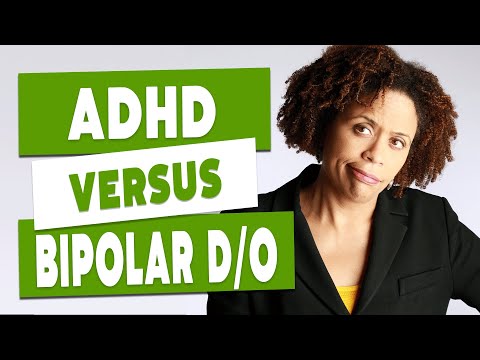
So, let’s chat about ADHD and mood stabilizers. You know how everyone talks about ADHD like it’s just a focus thing? Well, there’s so much more under the surface, seriously.
Sometimes, folks with ADHD ride this emotional rollercoaster. And I mean, it can be exhausting! That’s where mood stabilizers come into play. They aren’t just for bipolar disorder or anything like that—they can help smooth out those emotional bumps for people with ADHD.
It’s all about finding balance, right? With the right support, life doesn’t have to feel so chaotic. So, if you’re curious about how these meds work in the ADHD world, stick around! There’s a lot to unpack here.
Understanding Mood Stabilizers for ADHD: Effective Treatments and Insights
Mood stabilizers aren’t usually the first thing that pops into your mind when you think about ADHD treatments, right? But they can play a part in managing certain symptoms, especially when there are mood swings involved. Let’s break this down a bit.
What Are Mood Stabilizers?
Well, mood stabilizers are medications designed to help even out emotional highs and lows. They’re mostly used for disorders like bipolar disorder, but they can help some people with ADHD who also experience mood fluctuations.
Here’s the catch: people with ADHD often experience things like impulsivity, irritability, and emotional dysregulation. If those feelings are strong enough or frequent enough, doctors might consider using mood stabilizers alongside traditional ADHD treatments.
When Are They Used?
One friend of mine struggled with her focus due to ADHD but also dealt with dramatic swings in her mood that affected her relationships. After talking with her doctor, she started on a mood stabilizer. It really helped give her some emotional ground to stand on while working through her ADHD symptoms.
The Types of Mood Stabilizers
So, what kind of medications are we talking about? Lithium, valproate, and some atypical antipsychotics are common choices. Each works differently and comes with its own set of side effects—like weight gain or sedation—that you should definitely chat about with your doctor.
The Impact on ADHD Symptoms
When it comes to treating ADHD specifically, studies show mixed results on the effectiveness of mood stabilizers alone for core symptoms like inattention or hyperactivity. More often than not, they’re best used in combination with stimulant medications. The goal is to create a balance—for instance, calming those extreme highs or lows might make it easier for someone to focus better during the day.
Your Doctor Is Key
The doctor’s role is crucial here! They’ll assess which symptoms need attention and suggest the best course of action tailored just for you (or whoever you’re looking into this for). It’s kind of like piecing together a puzzle—it takes time to figure out exactly what fits where.
In short: while not everyone with ADHD will need a mood stabilizer, they can be an effective piece in the puzzle for those experiencing significant emotional challenges along with their attention issues. Just remember: communication is everything! Always talk things through clearly with your healthcare provider so you both can find what’s best for your particular situation.
Effective Strategies for Managing Bipolar Disorder and ADHD Together
When you’re dealing with both bipolar disorder and ADHD, it can feel like trying to juggle flaming torches while riding a unicycle, you know? It’s tough. But don’t worry! You’ve got some effective strategies that can help you manage both conditions.
Understanding Your Symptoms is key. Each condition carries its own set of challenges. Bipolar disorder often swings between depressive lows and manic highs, while ADHD might bring in the distractibility and impulsive behavior. Not understanding how they interact can make things trickier.
Medication Management plays a huge role. Mood stabilizers are often used for bipolar disorder to help smooth out those emotional swings. Medications like lithium or lamotrigine can be effective. They help level the playing field emotionally, making it easier for you to focus on managing your ADHD symptoms.
And then we have ADHD Treatments, where stimulants like amphetamines or methylphenidate come into play. These medications can really boost focus but might intensify mood fluctuations if not carefully managed. So it’s crucial to have a psychiatrist who understands both conditions before starting any medication.
Cognitive Behavioral Therapy (CBT) is another powerful tool in your kit! It helps you understand your thoughts and feelings better, which is super helpful when cyclical moods hit or when distractions from ADHD pop up. Think of CBT as a way to train your brain—teaching it new patterns of thinking that lead to better choices and behaviors.
Your Daily Routine matters, too! Having structure in your day can cut down on chaos. Set regular sleep schedules, meal times, and exercise routines because consistency helps stabilize moods for those with bipolar disorder and keeps distractions at bay for folks with ADHD.
Don’t forget about the importance of Support Systems. Whether it’s friends or family, having people who understand what you’re going through makes a world of difference. They can provide emotional support during tougher times or even help keep you on track with routines when you struggle.
Also consider incorporating Meditation or Mindfulness Practices. This isn’t just some trendy thing; these practices have been shown to reduce stress levels and improve emotional regulation over time—perfect for managing mood swings as well as the fast-paced racing thoughts tied up with ADHD.
So yeah, living with both bipolar disorder and ADHD doesn’t mean you’re stuck in a constant battle. With the right strategies—medication management, therapy, routines—you can find balance that works for you! Just remember that every person is unique; what works wonders for one person might not be as effective for another, so keep tuning into your own needs as you navigate this together.
Effective Strategies for Managing Mood Swings in Adults with ADHD
Managing mood swings when you have ADHD can be quite a challenge. But, with the right strategies, it’s totally possible to bring some balance back into your life. So let’s break it down, alright?
First off, it helps to understand that those mood swings often come from the intense emotional reactions linked to ADHD. You might feel super elated one moment and then, boom, you’re in a funk. It’s not just being moody; it’s more like riding a rollercoaster without knowing when the next big drop is coming.
1. Medication. Sometimes, your doctor might suggest mood stabilizers. These can help manage those ups and downs by leveling out your mood over time. They won’t fix everything overnight, but they can provide a solid foundation for dealing with emotional fluctuations.
2. Routine Building. Establishing a consistent daily routine can really help stabilize your mood. When you have structure in your day—like set times for meals, work, and relaxation—you create a sense of predictability that calms the mind.
3. Mindfulness and Meditation. Seriously, these practices are game-changers. Just taking a few minutes each day to breathe deeply or focus on the present moment can reduce feelings of anxiety and irritability. You might want to try guided meditation apps or simple breathing exercises whenever you feel those strong emotions surfacing.
4. Exercise. Physical activity works wonders for mental health! Something as simple as going for a walk can boost your mood by releasing endorphins—those feel-good hormones in your brain. Aim for regular exercise throughout the week; even dancing around your living room counts!
5. Social Support. Surrounding yourself with supportive friends and family makes all the difference when managing emotions. Having someone to talk to during tough moments eases feelings of loneliness and frustration.
Let’s take a quick pause here with an example: imagine Sarah, who has ADHD and often finds herself snapping at loved ones when her emotions run high. After implementing some of these strategies—like sticking to her morning routine and talking things out with friends—she notices her reactions begin to soften over time.
6. Identifying Triggers. Keep track of what sparks those intense feelings for you—be it stress at work or certain social situations—and address them head-on where possible.
7. Professional Support. Regular therapy sessions give you space to unpack emotions safely, helping you learn coping strategies tailored just for you!
In sum, managing mood swings with ADHD is totally doable with some thoughtful planning and support from both professionals and loved ones! By incorporating medication if needed, creating routines, exercising regularly, practicing mindfulness techniques, leaning on friends or family, identifying triggers early on—and considering professional therapy—you’ll be on much steadier ground emotionally over time!
You know, when it comes to ADHD, the conversation often circles around stimulants like Ritalin or Adderall. But mood stabilizers? Those aren’t as commonly discussed, even though they can play a pretty important role in managing symptoms for some people.
I remember chatting with a friend who has ADHD and also struggles with mood swings. He was always frustrated that his focus would be all over the place one minute, and then he’d suddenly feel like he was on an emotional rollercoaster the next. It wasn’t just about attention; it was about controlling those intense feelings. He started working with a therapist who suggested trying mood stabilizers to help balance things out.
So what are mood stabilizers? Basically, they’re medications designed to help regulate emotions and prevent extreme mood swings—like from high energy to feeling really down. They’re often used in cases of bipolar disorder but can also be helpful for folks with ADHD who experience significant mood changes.
The thing is, these meds can lead to some stability in emotions, making it easier for someone with ADHD to focus on tasks without that pesky emotional chaos getting in the way. If you think about it, being able to manage your feelings means you might be better equipped to tackle projects or schoolwork without getting pulled away by frustrations or irritability.
Of course, like any medication, they come with their own set of pros and cons. Some people might experience side effects that aren’t pleasant or notice that they don’t help as much as expected. Plus, everyone’s brain is different—what works wonders for one person could be a flop for another.
And let’s not forget that finding the right balance among different treatments is key. Medication isn’t always the only answer; therapy plays a huge role too! Coping strategies and behavioral techniques can go hand in hand with whatever meds someone might take.
In the end, talking openly about all these options—like considering mood stabilizers alongside your usual ADHD treatments—is super important. Because really? Managing ADHD isn’t just about focusing better; it’s about feeling better too. It’s great when someone finds that combination that works for them!