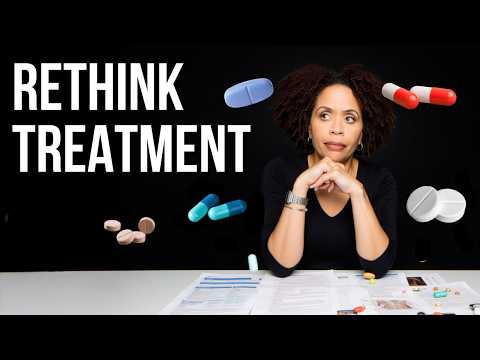
You know, living with ADHD can be a rollercoaster. One minute you’re on top of the world, and the next, it feels like everything’s crashing down. It’s wild, right?
That’s where mood stabilizers come into play. These little helpers can make a big difference in smoothing out those ups and downs.
But hey, they’re not just for anyone. If you’ve got ADHD and find your emotions all over the map, this could be for you.
Let’s chat about what mood stabilizers are, how they work, and what you might want to know if you’re considering them. Seriously, it’s an important topic!
Top Resources for Adults with ADHD: Unlocking Effective Support and Strategies
So, dealing with ADHD as an adult can be a real challenge, right? You’re juggling work, relationships, and all sorts of responsibilities. But the good news is there are plenty of resources out there that can help you navigate through it all. Here’s a look at some effective support and strategies that you might find useful.
1. Therapy Options: One popular route is therapy. Cognitive Behavioral Therapy (CBT) focuses on changing thought patterns to improve behavior. You might discover new ways to manage your time or tackle pesky distractions. Seriously, having someone to talk things through with can lead to some “aha!” moments.
2. Medication: When it comes to mood stabilizers, they can sometimes be prescribed for adults with ADHD who also experience mood swings or depression. These meds don’t work the same for everyone, so keeping in touch with your healthcare provider is super important! It’s all about finding the right balance.
3. Support Groups: Joining a support group can be awesome too! Connecting with others who get what you’re experiencing can provide not only emotional support but practical advice as well. It’s like you have your own little cheerleading squad.
- ADDA (Attention Deficit Disorder Association): This organization offers resources specifically for adults with ADHD and even has virtual meet-ups!
- CHADD (Children and Adults with Attention-Deficit/Hyperactivity Disorder): They provide tons of information and links to local groups where you can share experiences and tips.
- Reddit Communities: Online forums like r/ADHD offer a space where you can find relatable stories and advice from people going through similar struggles.
4. Organizational Tools: There are apps out there designed just for folks with ADHD! Tools like Todoist or Trello help keep tasks organized without overwhelming your brain. They make it easier to remember deadlines or track projects—all in one handy place!
5. Self-Care Strategies: Don’t underestimate the power of self-care! Regular exercise, balanced nutrition, and sleep hygiene are crucial factors that help maintain focus and stability—seriously! Taking care of yourself physically helps your brain work better too.
You know, I spoke to a friend recently who has ADHD; she used to feel totally lost in her day-to-day life until she found a mix of therapy and medication that really clicked for her. Now she feels more in control—she even told me how setting small goals each day has made such a difference!
The thing is—and I can’t stress this enough—it’s all about creating a toolkit that works for YOU. Everyone’s experience is unique, so experimenting with different resources until something clicks is key!
If you’re struggling or just feeling overwhelmed, don’t hesitate to reach out for help; it’s totally okay to seek support! You don’t have to do this alone.
Understanding Mood Stabilizers: A Comprehensive Guide for Adults with ADHD
Mood stabilizers can be a bit confusing, especially when you’re trying to understand how they fit in with ADHD. It’s not just about keeping your mood steady; there’s a lot more to it. Let’s break it down simply.
First off, **what are mood stabilizers?** These meds are mainly used to treat mood disorders like bipolar disorder. They help control intense shifts in mood—like from super high energy to deep lows. For adults with ADHD, mood swings can sometimes happen as they deal with the ups and downs of daily life. That’s where mood stabilizers might come into play.
Now, you might be wondering why someone with ADHD would need a mood stabilizer. Well, people with ADHD often experience heightened emotions or impulsivity that can lead to intense mood swings. It’s not uncommon for frustrations to feel overwhelming at times. So, these meds can help smooth out those spikes.
Common Mood Stabilizers:
- Lithium: This one has been around forever and is great for balancing moods.
- Valproate: Often used for seizures too; it helps calm emotional extremes.
- Lamotrigine: It’s known for being less risky but still effective in managing moods.
Another important thing? **Side effects!** You have to be aware of them since they can vary from person to person. Some common ones include weight gain, fatigue, or even digestive issues. It might take some time to find the right balance because the goal is to manage symptoms without feeling “out of it.”
Now for something personal: I had a buddy who struggled with impulsivity while having ADHD. It led him into a lot of trouble—like making snap decisions he later regretted. After chatting with his doctor about medication options, he started on a low dose of valproate. Over time, he noticed it was easier to pause and think things through before reacting. That alone changed his relationships and helped him feel more in control.
With any medication like this though, it’s crucial that you have ongoing conversations with your healthcare provider. Everyone’s different, so what works for you or someone else may not work the same way.
Things To Keep In Mind:
- Mood stabilizers are often just one part of treatment—therapy plays a big role too!
- Your lifestyle matters: regular sleep and exercise can boost effectiveness.
- Don’t skip doses without talking to your doctor—it can mess things up!
Using these medications isn’t about getting rid of ADHD; it’s more about creating balance in your emotional world so you can thrive better day-to-day. Remember that understanding what works best will take time and patience, but you’re definitely not alone on this journey!
Understanding Mood Stabilizers for Children with ADHD: A Comprehensive Guide
Understanding mood stabilizers for children with ADHD can be a bit tricky. You see, ADHD is often characterized by symptoms like inattention, hyperactivity, and impulsiveness. It turns out that some kids with ADHD can also have mood swings or emotional instability. That’s where mood stabilizers come into the picture.
Mood stabilizers are mainly used to help manage conditions like bipolar disorder, but they sometimes play a role in treating children with ADHD, especially if they’re also dealing with mood issues. These medications help smooth out those wild ups and downs in mood that can make it really hard for a child to function day-to-day.
Now, you might be wondering how exactly these medications work. Essentially, they affect certain chemicals in the brain—specifically neurotransmitters like serotonin and dopamine. By balancing these chemicals, mood stabilizers can help create a more stable emotional state.
It’s important to mention that not every child with ADHD will need a mood stabilizer. Doctors typically consider various factors before prescribing them:
- Age: Younger children might be monitored closely or given behavioral therapy first.
- Other Conditions: If a child has co-existing conditions, like anxiety or depression, this might change treatment options.
- Response to Other Treatments: If standard ADHD meds aren’t doing the trick on their own.
You know how every kid is different? Well, that’s true for medication too. What works wonders for one child may not work at all for another. It’s vital to keep communication lines open between parents and healthcare providers.
Now let’s talk about side effects because that’s important too! Common side effects of mood stabilizers can include weight gain, drowsiness, or stomach issues. Parents need to monitor their kids closely when they start on any new medication—and keep an eye out for anything unusual.
There’s also the question of discontinuation; stopping suddenly can lead to withdrawal symptoms. It’s always better to have a healthcare provider involved during these changes!
Anecdote time: I remember hearing about a mom who was really struggling with her son’s unpredictable behavior due to his ADHD and accompanying moods. After much back and forth with various treatments—frustrating visits where no one seemed to understand her concerns—she found a doctor who suggested trying a mood stabilizer as part of his treatment plan. Slowly but surely, they noticed an improvement! While it didn’t solve everything overnight (let’s be real), they felt hopeful again because it helped him manage those emotional spikes better.
At the end of the day, it’s crucial for parents and caregivers to stay informed about what options are available—whether it’s therapy alone or involving medication—to find what suits their child’s needs best. It takes teamwork between parents and professionals!
In sum, while mood stabilizers aren’t the first-line treatment for ADHD by themselves—they can help when moods get complicated along with hyperactivity and inattention—but it’s definitely something worth discussing if you’re in this situation. Keeping track of responses and consulting regularly with the medical team helps ensure your little one gets the care they truly need!
So, let’s chat about mood stabilizers for a sec, particularly how they relate to adults with ADHD. It’s one of those topics that doesn’t get as much spotlight as it probably should, you know? When we think about ADHD, we often picture kids bouncing off the walls, but adults with ADHD face their fair share of challenges too—like impulsivity and emotional dysregulation.
I remember a friend of mine, Sarah. She was always super creative and had a million ideas swirling in her head. But she struggled with feeling overwhelmed and would go from excited to completely drained really fast. It was tough watching her ride that emotional rollercoaster. After a few rough patches—like some impulsive decisions that didn’t quite pan out—she decided to talk to someone about it.
That’s when she learned about mood stabilizers. Now, these medications aren’t just for bipolar disorder or serious mood issues; they can help smooth out those emotional highs and lows that come along with ADHD too. It’s kind of like giving your brain a gentle push toward balance instead of letting it run wild.
For Sarah, finding the right medication took time and tweaking, but once she got it sorted out, there was this noticeable shift in her day-to-day life. Sure, she still had her moments—who doesn’t? But you could tell she wasn’t constantly battling the waves of emotion anymore. It let her focus on what mattered most: harnessing all that creativity without the emotional static.
But here’s the thing: using mood stabilizers is not some magic fix-all solution. They’re part of a bigger picture involving therapy and lifestyle changes too. For example, combining them with regular therapy sessions helped Sarah not only get through each day but learn how to cope better when things felt overwhelming.
Mood stabilizers can be a helpful resource for many adults navigating ADHD’s ups and downs. If you’re considering them or just curious about how they might fit into your life or someone else’s—it’s totally worth having that conversation with a healthcare professional who gets it. Just like Sarah learned, finding the right support can make all the difference in managing your mental health journey!