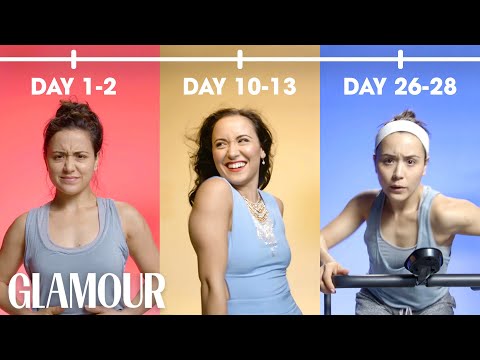
You know that time of the month? Yeah, it’s not just about cramps and bloating. I mean, seriously, things can get a little wild inside our heads.
One minute you’re feeling on top of the world, and the next, you’re in tears over a cute puppy commercial. Ugh! The emotional rollercoaster can be exhausting.
These changes can really mess with your mental health too. Like, one moment you’re all happy-go-lucky and then boom—overwhelmed by anxiety or sadness.
It’s totally normal but also kinda frustrating. Let’s break down what happens during that time and how it impacts our minds. Get comfy; we’re about to dive into some pretty relatable stuff!
Understanding the Impact of Menstruation on Mental and Emotional Health
Menstruation can feel like a rollercoaster for many, right? It’s not just about the physical symptoms; there’s a whole emotional landscape that shifts during this time. Some folks find themselves crying at the drop of a hat or feeling more anxious than usual. Those mood swings are real, and they’re partly influenced by hormonal changes happening in your body.
Hormones play a big role in how you feel throughout your cycle. Levels of estrogen and progesterone fluctuate, especially in the lead-up to your period. When these hormones drop, it can trigger feelings of sadness or irritability. You might feel on edge or even experience anxiety—like when you can’t find your keys but it’s way more intense.
Now, premenstrual syndrome (PMS) is something many people face. It’s not just about cramps; it can also include mood swings, fatigue, and emotional sensitivity that feels overwhelming sometimes. It’s like being on this emotional tightrope where one moment you’re smiling, and the next you’re crying over something trivial. For some individuals, PMS can escalate into a more severe condition known as premenstrual dysphoric disorder (PMDD), which has significant mental health implications.
You know how sometimes you just feel like you need extra support? Well, research shows that during menstruation, anxiety levels can spike for those who already struggle with them. Imagine trying to focus at work or school while dealing with this emotional whirlwind!
Physical symptoms, such as cramps or headaches, can add to that mental burden too. When you’re in pain, it’s hard to stay positive or even think straight. You might feel like everything is piling on top of you—work stress combined with menstrual discomfort—it’s no walk in the park!
And here’s something to consider: self-care becomes crucial during your cycle. Simple things like getting enough sleep, eating balanced meals, and doing gentle exercise can help ease both physical pain and emotional strain. Connecting with friends or talking it out with someone who gets what you’re going through can be super beneficial too.
Sometimes just having a friend who listens makes all the difference—like when you talk about how annoying it is to deal with emotions outta nowhere! So whenever these ups and downs hit you hard during menstruation, remember it’s your body doing its thing. Reach out for support if needed; there’s absolutely no shame in looking after your mental well-being while navigating all these changes!
Understanding and Supporting Your Partner: Tips for Navigating Mood Swings During Menstruation
Navigating mood swings during your partner’s menstruation can feel like walking through a minefield, right? It’s one of those things that can really test the strength of your relationship. So let’s break it down a bit and see how you can support them while keeping your cool.
First off, it’s super important to realize that **hormonal changes** are playing a big role here. Estrogen and progesterone levels fluctuate, and this can affect mood, energy, and even how someone perceives stress. You know, it’s not just in their head; there are real chemical shifts happening.
- Be Patient: During this time, emotions might be more intense. Instead of reacting right away to their frustration or sadness, try to stay calm. Sometimes just listening without jumping in is the best way to show you care.
- Communicate Openly: Talk about what they’re feeling—ask them about their experience. It’s possible they might not want to discuss it all the time, but just knowing you’re there and willing to listen means a lot.
- Offer Support: Help them find relief! Whether it’s heating pads for cramps or cozy blankets for comfort—it shows that you’re thinking about their needs. Even small acts like making them tea can help lighten their mood.
- Avoid Making Assumptions: It might be easy to brush off what they feel as just “PMS,” but remember that everyone experiences these hormonal shifts differently. Stay away from minimizing their emotions by saying things like “It’s just hormones.”
Sometimes people have such intense emotions that their reactions may feel out of left field. I remember my friend Hannah sharing how she once snapped at her boyfriend over something trivial—a misunderstanding about dinner plans—and couldn’t explain why she reacted that way until later when she realized it was all tied to her cycle. That kind of emotional explosion isn’t uncommon.
It helps if you understand the timeline too—most people experience these mood swings in the week leading up to their period and sometimes during the first couple of days as well. This information could give you a clearer picture when things get heated or tense.
And look, if you’re feeling overwhelmed by how your partner is handling things, remember you have feelings too! It’s okay to take a step back if needed—self-care is important too.
Ultimately, being supportive during this time doesn’t mean you have to fix everything; sometimes just being there makes all the difference! You’re in this together, and with empathy and communication, both of you can navigate through these ups and downs with more grace than you think possible.
Understanding Intense Emotions During Your Period: Causes and Coping Strategies
So, you’ve probably noticed that your emotions can go a bit haywire during your period, right? One minute you’re feeling chill, and the next it’s like you’re ready to cry at a commercial about puppies. You’re not alone in this. Let’s break it down.
First off, hormones play a huge role in these emotional shifts. During your cycle, estrogen and progesterone fluctuate significantly. Basically, when levels drop, you might feel more irritable or anxious. It’s not just you being dramatic; it’s science!
Here are some of the key causes you might wanna consider:
- Hormonal Changes: Like we just said, those hormones can really mess with your head.
- Physical Discomfort: Cramps and bloating can lead to irritability or sadness—it makes sense.
- Sleep Disruption: If you’re uncomfortable or in pain, sleep gets messed up, which affects your mood.
- Cultural Expectations: Society often expects women to be “nice” and “calm,” so when feelings come rushing in, it can feel overwhelming.
Now let’s talk about coping strategies because feeling out of control is the last thing anyone needs.
Here’s how to manage those intense emotions:
- Keep a Journal: Writing down how you feel can help you process those emotions instead of letting them build up.
- Mindfulness & Breathing Techniques: Seriously! When you’re feeling overwhelmed, take deep breaths. It helps ground you.
- Regular Exercise: Even a quick walk helps release endorphins—those little mood lifters!
- Avoid Triggers: If certain things make your mood worse (like caffeine or alcohol), try to cut back during this time of the month.
I remember talking to a friend who would just cry out of nowhere during her period. It wasn’t until she started journaling that she realized her feelings were tied directly to her hormonal shifts. Recognizing the patterns made a world of difference for her.
And hey, if these feelings become too intense—like they start affecting your daily life—you might want to chat with someone about it. A therapist could help navigate all that emotional turmoil.
So yeah, periods aren’t just about physical discomfort; there’s a lot going on emotionally too! Understanding those intense emotions is step one in finding peace amidst the chaos each month.
Let’s talk about that time of the month—menstruation. You know, it’s not just about cramps and, um, stocking up on snacks. It can often bring some pretty wild emotional shifts too. Seriously, one minute you’re ready to take on the world, and the next you’re crying over a commercial for puppies. I mean, I’ve had moments where I thought my life was falling apart because of a slight hiccup at work—and that was before I even realized my period was about to start!
For a lot of people, hormonal changes during menstruation can feel like being on a rollercoaster with no seatbelt. The ups and downs are real. Those hormones—like estrogen and progesterone—take us on a twisty ride through mood swings that can leave you feeling frazzled or even low. Maybe it’s irritability or feeling overwhelmed by emotions you usually handle like a pro. It’s wild how biology can make us feel so out of control.
Imagine being at a coffee shop with your friend. One minute you’re sharing laughs, and suddenly something trivial sends you spiraling into thoughts about whether your friend really cares or if they secretly don’t like your sweater choice. Emotions become magnified!
And this isn’t just about being moody; it can seriously impact mental health too. Some folks may experience anxiety or depression more intensely during their menstrual cycle. If you’ve ever felt more vulnerable during this time, you’re definitely not alone.
What makes it trickier is that mental health isn’t just about feelings; it’s influenced by our bodies too—like how we eat or sleep when we’re menstruating. Low energy levels might lead to skipping workouts or reaching for comfort food instead of something healthy, which can create this cycle of feeling sluggish both mentally and physically.
So how do we deal? Well, I get it—it might feel daunting sometimes! Acknowledging what’s happening in our bodies can be super helpful. Self-care routines could really make a difference here: think soothing baths, journaling those feelings out, or simply chatting with close friends who understand.
It’s also worth talking to healthcare professionals if things get really tough because they might offer solutions that help balance those emotional swings better than chocolate ever could (though we all know chocolate has its own magic).
Embracing the reality of these emotional shifts is part of taking care of ourselves. And hey, remembering you’re human with all these feelings? That’s perfectly okay too!