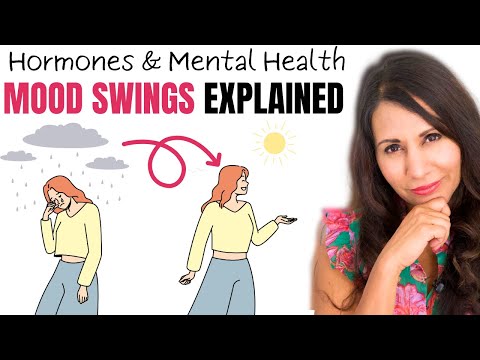
Hey, you know those days when you feel like you’re riding a rollercoaster of emotions? One minute, you’re on top of the world, and the next, you’re in a funk? Yeah, that’s real life for many of us.
Hormones play a huge role in all that chaos. Seriously, they can flip your mood faster than flipping a light switch. It’s wild how something happening inside your body can make everything feel like a tidal wave of feels.
If you’ve ever felt totally out of control with your moods—like crying over spilled milk or snapping at someone for no reason—you’re not alone. Let’s dig into how those hormonal shifts mess with our heads and hearts. Sound good?
Understanding the Difference: Am I Experiencing Bipolar Disorder or Hormonal Changes?
So, you’re wondering if what you’re feeling is linked to bipolar disorder or just some hormonal changes, huh? Totally understandable! It can get super confusing trying to figure this stuff out. Let’s break it down a bit.
First off, let’s talk about bipolar disorder. This is a mental health condition where people experience extreme mood swings. You can go from feeling on top of the world—like you’re invincible—to feeling really low, sometimes in just a matter of days or even hours. That’s what we call mania and depression.
Now, here are some key points to keep in mind:
- Mood swings in bipolar disorder are more intense and can last longer than typical mood changes.
- During the manic phase, you might have increased energy, less need for sleep, and an inflated sense of self-worth.
- In contrast, the depressive phase includes feelings of hopelessness, fatigue, and sometimes even thoughts of self-harm.
So how does this compare with hormonal changes? Well, hormonal fluctuations are usually related to your body’s natural cycle—like during your menstrual cycle or pregnancy. When hormones shift throughout these times, you might feel emotional ups and downs. For example:
- PMS can bring mood swings that might make you feel irritable or sad.
- During menopause, many women experience significant emotional changes due to hormone levels dropping.
Typically, these hormonal mood swings aren’t as extreme or persistent as what someone with bipolar disorder would face.
You know that friend who gets super excited about a new project one day only to feel totally drained by the same project a week later? That might be more like a normal response to stress or hormonal shifts rather than bipolar disorder.
Now let’s dive a little deeper into how they differ emotionally. With bipolar disorder, those moods often come with clear patterns over time—like episodes that happen regularly and disrupt life significantly. In contrast, when hormones cause shifts in feelings:
- The mood changes usually align with very specific times (like pre-period).
- They often resolve as your body settles back into its rhythm.
It’s important to consider other symptoms too. Someone experiencing bipolar disorder may also struggle with issues around concentration or impulsivity during manic phases—stuff like making rash decisions without thinking ahead.
Honestly though? If you’re finding yourself stuck between these two experiences and it’s affecting your day-to-day life—talking to someone could definitely help! A mental health professional can offer guidance tailored just for you.
So yeah, figuring out whether it’s bipolar disorder or just hormones involves paying attention to patterns in your emotions and behavior over time. Remember: it’s always good to trust your gut but also get help when you need it!
Mastering Hormonal Rage: Effective Strategies for Emotional Control
Mastering hormonal rage can feel like a rollercoaster ride you never signed up for. Seriously, one minute you’re chillin’, and the next, it’s like a volcano just erupted inside of you. This kind of emotional upheaval often comes from hormonal changes, whether it’s due to menstrual cycles, menopause, or even things like pregnancy. And let me tell you, feeling out of control can be really frustrating.
So what are these mood swings about? They usually happen because your hormones—like estrogen and progesterone—are going up and down at different times. These shifting levels can mess with your brain chemistry, which affects how you feel and react to stuff. Imagine trying to keep your cool when your body is throwing a tantrum! It’s no wonder so many people find themselves snapping over minor annoyances.
Here are some strategies that might help you regain emotional control:
- Stay Active: Regular exercise releases endorphins, which are natural mood lifters. Even a short walk outside can sometimes pull you back from the edge.
- Meditation and Deep Breathing: These techniques can ground you when emotions start spiraling. Just a few deep breaths can help reset your brain and calm those intense feelings.
- Healthy Eating: What goes in your body impacts how you feel. Nutrient-rich foods can balance hormones better than junk food does. Think about filling up on whole grains, fruits, and veggies.
- Sleep Well: Lack of sleep amplifies stress and irritability. Make sure your sleep routine is solid; it makes a bigger difference than we often realize!
- Talk It Out: Sometimes just venting about what you’re feeling helps unload that emotional baggage. Find a friend or therapist who gets it.
You know that feeling when all seems lost? I remember a friend telling me how she would explode over little things—her partner forgetting to take out the trash would turn into World War III! But once she started exercising regularly and talking through her feelings with someone she trusted, things changed for the better. She regained her sense of control little by little.
If you’re dealing with severe mood swings that impact life significantly or last more than just a few days every month, it might be worth chatting with someone who knows about this stuff professionally—a doctor or therapist can offer guidance tailored just for you.
So remember, mastering hormonal rage isn’t about eliminating emotions entirely; it’s about learning to ride those waves instead of getting tossed around by them!
Understanding Hormonal Mood Swings: Signs, Symptoms, and Coping Strategies
Hormonal mood swings can be a real rollercoaster, you know? They often sneak up on you, and one minute you feel like you’re on top of the world, and the next, it’s like someone flipped a switch. The thing is, hormones are these powerful little messengers in your body that can have a huge impact on how you feel emotionally.
These shifts usually happen during certain times, right? For women, it’s mostly during their menstrual cycle, pregnancy, or menopause. But hey, guys can also experience mood changes related to hormones like testosterone too. So basically, anyone can be affected.
**Signs and Symptoms**
When you think about hormonal mood swings, you’re looking at a range of emotions. You might feel:
- Sudden irritability or anger
- Unexplained sadness or crying
- Anxiety that feels way heavier than usual
- Extreme fatigue or lack of energy
- Confusion or difficulty concentrating
Let me tell you a quick story. A friend of mine started feeling super down a week before her period every month—like clockwork. She’d be fine one moment but then snap at her partner over the smallest things. It took some time for her to realize those feelings were linked to her hormonal changes.
**Coping Strategies**
So what can you do about it? Here are some ways to manage those pesky mood swings:
- Keep track of your cycle: Like using an app or a journal to note when those changes happen could help.
- Talk it out: Honestly sharing how you’re feeling with someone close can lighten that emotional load.
- Meditation and mindfulness: Taking time each day for yourself—even just five minutes—can help ground your emotions.
- Exercise: Seriously! Getting moving is often linked to better moods because of endorphins.
- Consulting with professionals: Sometimes speaking with someone trained in mental health can provide insights into managing more severe symptoms.
Just think about what works for you—you don’t have to try everything at once! A little tweak here and there might lead to big improvements.
In short, hormonal mood swings are totally normal but not always easy to deal with. Recognizing them is the first step toward managing how they affect your life. You’re not alone in this; many people face similar challenges and find ways to cope that work for them. So if you’re feeling kind of out-of-sorts due to these fluctuations, just remember: it’s okay to seek support and figure out strategies that help ease the ride!
Okay, so let’s chat about hormonal mood swings. You know, those times when you feel like you’re on a rollercoaster? One minute you’re kinda chill, and the next you’re ready to cry over a cute puppy video. Seriously, we’ve all been there!
Hormones are these little messengers in your body that can stir up all sorts of emotions. Like, for example, think about PMS or even the massive shifts during pregnancy or menopause. Your hormones can dictate your mood more than you’d think. I remember this one time my friend was going through some intense hormonal changes after having her baby. She’d go from laughing at something trivial to bursting into tears in minutes. It was wild to see how something as invisible as hormones could wreak havoc on her emotions.
Now, the psychological effects can be pretty intense too. When you’re feeling low or irritable due to hormonal changes, it might feed into your self-esteem or how you interact with others. Maybe you snap at your partner over something super small or isolate yourself because you just don’t want to feel anything right then. The thing is, it’s not just in your head—this stuff really impacts how you see yourself and your relationships.
What’s tricky is that some people might not even recognize what’s going on at first. They might just think they’re being overly sensitive or moody without connecting it back to their bodies’ hormone fluctuations. And that can lead to feelings of guilt or frustration, which only adds fuel to the fire.
Understanding that these swings are real and have reasons behind them can help soften the blow a bit when they hit you hard. It’s okay to talk about it! Reaching out for support from friends or even professionals can make a world of difference.
So yeah, hormonal mood swings are no joke! They tie together body and mind in ways that can feel overwhelming but knowing it happens to many folks helps lighten the load—even a little bit!