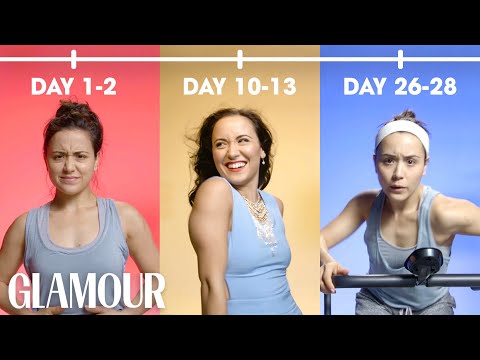
Hey there! You know those days when you just feel, well, all over the place? One minute you’re happy, and then suddenly it feels like the world is crashing down. Yeah, that’s real life for a lot of us.
If you’re someone who experiences mood swings during your menstrual cycle, you’re definitely not alone. Seriously. It can be such a rollercoaster!
Hormones play a huge role in this wild ride, but it’s more than just science. It’s about how you feel and cope with all those ups and downs, you know?
So let’s chat about navigating those mood swings together. You got this!
Understanding the 7-2-1 Rule: A Guide to Menstruation and Mental Health
The 7-2-1 Rule is a pretty interesting concept when it comes to understanding how the menstrual cycle can impact your mood and mental health. Basically, it breaks down your cycle into different phases, considering how long each phase lasts and how they relate to changes in emotions. So, let’s break it down together.
First off, what is the 7-2-1 Rule? It’s a guideline that helps explain the emotional fluctuations women might experience throughout their menstrual cycle. The idea is that for every 28-day cycle, you could look at it like this:
- 7 days of pre-menstrual phase
- 2 days of menstruation
- 21 days of post-menstrual phase
Pretty straightforward, right?
During the **7-day pre-menstrual phase**, hormone levels start to shift, which can result in mood swings. Some people might feel irritable or anxious. I remember a friend who always said she felt like a totally different person leading up to her period—like she just didn’t have the patience for anything! You feel me?
Then comes the **2 days of menstruation**. For some, this might be a time of relief. But for others, physical symptoms like cramps can also affect mood and energy levels. You might find yourself feeling more tired or less motivated to interact with others—totally normal!
After that, there’s the **21-day post-menstrual phase** where hormone levels stabilize again. This is usually when people feel more balanced emotionally—more like themselves! It can feel freeing after those intense days leading up to your period.
But here’s where it gets trickier: not everyone experiences these phases in the same way. Some may have longer or shorter cycles or different symptoms altogether. That’s why tracking your own cycle can be super helpful—jotting down feelings and symptoms can give you insight into how your unique body works.
A few things to keep in mind:
- You’re not alone if you experience mood swings; many do!
- Your environment plays a role too—stress at work or personal life can amplify these feelings.
- It’s wise to talk openly with friends or seek support if you’re struggling.
Recognizing these patterns might help you prepare for those tougher days ahead and maybe even plan some self-care during them.
Overall, understanding the 7-2-1 Rule isn’t just about knowing what happens; it’s about tuning into yourself and finding ways to cope better during those emotional ups and downs tied to your menstrual cycle. So keep an eye on how you feel throughout each phase—it could really make a difference!
Effective Strategies to Manage Mood Swings During Your Period
Navigating Mood Swings During Your Period
When your period rolls around, it’s not just cramps and bloating that can hit you. Many find themselves riding a crazy emotional rollercoaster too. Mood swings can feel like they come out of nowhere, but you’re definitely not alone if you’ve experienced this. Let’s take a look at some effective strategies to help you manage those fluctuations during your cycle.
Understand the Hormonal Changes
First off, it helps to know what’s going on in your body. During your menstrual cycle, hormones like estrogen and progesterone fluctuate wildly. This can lead to irritability, sadness, or even anger. You might be feeling fine one minute and then suddenly frustrated the next—totally normal! Just knowing that these changes are hormonal can ease some anxiety about the moods themselves.
Keep a Mood Journal
Consider keeping a mood journal. Note down how you’re feeling day by day throughout your cycle. This could be as simple as jotting down “happy,” “sad,” or “meh.” Over time, this can reveal patterns that connect your emotions with specific points in your cycle. Once you recognize these patterns, managing them becomes way easier.
Practice Mindfulness
Mindfulness techniques are super helpful too. You might try deep breathing exercises or meditation to ground yourself when mood swings hit hard. Even just taking five minutes to focus on your breath can make a difference in calming racing thoughts or feelings of overwhelm.
Exercise Regularly
Physical activity is another solid strategy for managing mood swings. Exercise releases endorphins—the body’s natural mood lifters! Maybe you’ll want to go for a walk, hit the gym, or even do some yoga at home during particularly tough days. Just moving around helps boost your spirits and keeps those hormones in check.
- Find Your Creative Outlet: Sometimes expressing yourself through art or writing can help release pent-up emotions.
- Nutrition Matters: Eating balanced meals with plenty of fruits and veggies can help stabilize your mood.
- Talk It Out: Opening up about how you’re feeling—with friends or family—can lighten the load.
- Avoid Caffeine and Sugar: As tempting as that chocolate might be, both can aggravate anxiety and irritability.
Seek Professional Help If Needed
If moods become overwhelming or begin affecting everyday life significantly, don’t hesitate to seek professional help! Therapists often have effective strategies tailored specifically for managing emotional health during cycles.
Remember, it’s totally okay to reach out when things get tough; there’s no shame in getting support!
So there you have it! By understanding your body better and using these strategies, you’ll hopefully find ways to smooth out those ups and downs each month. Take care of yourself; you’ve got this!
Understanding Mood Swings: The Impact of Your Menstrual Cycle on Emotions
Mood swings can be a real rollercoaster, can’t they? Maybe you’ve noticed how your emotions seem to go up and down like a seesaw throughout the month. Well, if you’re someone with a menstrual cycle, you’re not alone in feeling this way. Your hormones play a big part in how you feel.
Your menstrual cycle has four main phases:
- Menstrual phase: This is when your period happens. It can bring fatigue and sometimes irritability.
- Follicular phase: After your period ends, estrogen starts to rise. You might feel more energetic and positive.
- Ovulation: When you’re ovulating, there’s a boost in both estrogen and testosterone. Many people feel confident and social during this time.
- Luteal phase: Right before your period starts again, hormones fluctuate significantly. This is often when mood swings can hit hard.
So here’s the deal: during the luteal phase, levels of progesterone rise and then drop, which can lead to feelings of sadness or irritability. It’s pretty common for folks to experience things like anxiety or even anger at this time. You might think back to a moment when you snapped at someone over something small—like spilling coffee—and realize it was just one piece in the puzzle of where your mood was at.
The science behind all this is pretty intriguing too. Hormones like estrogen affect neurotransmitters in your brain—especially serotonin—which helps regulate mood. This is why fluctuations can lead to those unwanted emotional shifts; it’s kinda like being on an emotional seesaw.
But let’s keep it real: not everyone has extreme mood swings. For some, these are mild annoyances; for others, they can be more intense or even debilitating. If you’ve ever felt completely overwhelmed by emotions right before your period, you’re not imagining things—it can happen!
Now, don’t forget that external factors play a role too. Stress at work or school, relationship issues, or lack of sleep can mix with hormonal changes and make those mood swings even more pronounced.
If you’re dealing with these emotional ups and downs regularly but finding them hard to manage? It might be helpful to talk with someone who gets it—a therapist or counselor could really help you understand what you’re going through better.
In short, navigating mood swings during your menstrual cycle isn’t easy but understanding how your hormones work gives you an edge in managing those feelings! So remember—you’re not alone on this ride; many people experience similar emotions throughout their cycle!
Mood swings during the menstrual cycle can feel like riding a rollercoaster, right? One minute you’re on top of the world, and the next, it’s like someone flipped a switch. Honestly, it’s no fun for anyone involved—especially if you’re just trying to get through a normal day.
So, here’s the deal. Hormones are shifting like crazy throughout your cycle, especially estrogen and progesterone. These ups and downs can mess with your brain chemistry, which leads to those wild mood swings. You might notice that in the days leading up to your period, things can get a bit intense. Maybe you feel irritable or weepy over something that normally wouldn’t faze you. Or maybe you find yourself laughing one minute and crying the next. It’s totally normal!
I remember this one time when my friend had an absolute meltdown because someone forgot her coffee order—can you believe that? But when she explained it later, it made so much sense. She was right in that premenstrual phase—a storm of hormones combined with stress made everything seem way more dramatic than usual.
What helps? Well, for some people, keeping track of their cycles can be super helpful. Journaling or using apps can give you insight into when those mood swings might hit. And hey, don’t underestimate self-care! Whether it’s going for a walk, chatting with friends about what you’re feeling, or practicing yoga—it all counts.
It’s also worth mentioning that if mood swings are really getting in the way of daily life—like making it hard to work or enjoy relationships—talking to a therapist could be beneficial too. Sometimes just having an open space to talk things out makes all the difference.
Navigating these mood swings isn’t easy. Just know you’re not alone in this journey; lots of people experience similar ups and downs during their cycles! It’s all part of being human—and honestly? It makes us stronger in understanding ourselves better through all those emotional waves.