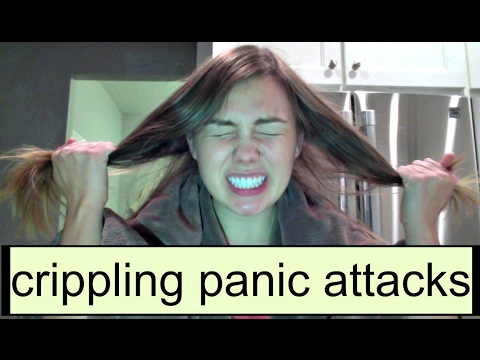
So, let’s talk about Nexplanon. You know, that little rod they insert under your skin to prevent pregnancy? It’s super convenient, but some people notice something weird happening with their moods after getting it.
Like, one minute you’re totally fine, and the next, you’re crying over a commercial for puppy adoption. Crazy, right? It can leave you feeling like you’re on an emotional rollercoaster.
You might be wondering why this happens. Is it the hormones? Is it just you? Trust me when I say you’re not alone in feeling a bit off.
Let’s dig into this together and see what’s really going on with Nexplanon and those mood swings!
Exploring the Emotional Impact of Nexplanon: What You Need to Know
Nexplanon, like any medication, can have some emotional ripple effects. When you get it inserted, you’re probably thinking about its effectiveness as a contraceptive. But what you might not realize is that these kind of hormonal changes can sometimes mess with your mood.
First off, let’s break down what Nexplanon does. It’s a small rod placed under the skin of your arm that releases hormones—mostly progestin—into your bloodstream to prevent pregnancy. That’s cool and all, but hormones affect not just your body, but also your brain and emotions. So when you start taking it, or if there’s a shift in how much hormone is released, it can lead to mood swings or even feelings of anxiety and depression.
Mood Swings can be a common side effect. You know those days when everything feels overwhelming? One minute you’re happy and relaxed; the next, you’re snapping at people over small stuff. That could be linked to the hormonal fluctuations caused by Nexplanon. Some folks report feeling more irritable than usual or experiencing sadness that seems to come out of nowhere.
Then there’s Anxiety. Imagine getting hit with sudden waves where your heart races and you can’t seem to calm down. This could be related to hormonal changes too. It’s like adding another layer on top of everyday stressors—overwhelm on overwhelm!
Another big thing is Depressive Symptoms. If you’ve been feeling lethargic or hopeless after starting Nexplanon, don’t brush it off! Studies have shown that some individuals may experience symptoms akin to depression when using hormonal birth control. If this is ringing true for you, it’s definitely worth chatting with a healthcare provider.
Now let’s talk about duration: how long will these emotional side effects last? Well, it varies from person to person. Some people might adjust quickly after a few months; others might struggle longer or face ongoing issues.
It’s also crucial to mention Support Systems. Navigating mood swings can feel isolating sometimes. Don’t forget about talking things through with friends or family who get what you’re going through! They could help ground you during those wild emotional twists and turns.
Lastly, if these feelings become hard to manage or really interfere with daily life, consider reaching out to someone professional—like a therapist—who understands these issues in context with medications like Nexplanon.
In summary: while Nexplanon is great for preventing pregnancy, it’s totally normal for some people to feel emotionally off-balance due to its hormone changes. You’re not alone in this! Lots of people deal with similar issues—and it’s always okay to ask for help if things get heavy on your heart or mind.
Exploring the Impact of Implanon on Mental Health: What You Need to Know
The Implanon, now often referred to as Nexplanon, is a small, flexible rod that gets placed under your skin to help prevent pregnancy. It releases a hormone called etonogestrel, which can be a game changer for birth control. But seriously, what you might not know is that it can also mess with your mental health.
First off, let’s talk about mood swings. Some people report feeling like they’re on an emotional rollercoaster after getting Nexplanon. One minute they’re happy and the next they feel totally down for no reason. You might find yourself irritated or crying over something small—like spilling coffee on your favorite shirt. This isn’t just you being dramatic; it actually can happen.
Now, why does this happen? Well, hormones play a big role in our emotions. When you introduce something like Nexplanon into your body, the hormonal changes can affect neurotransmitters—those little chemicals in your brain that help regulate mood. So basically, if you were already prone to mood swings or anxiety issues before getting the implant, things could feel even more intense afterward.
Another thing to consider is anxiety levels. Some folks notice an uptick in anxiety after getting the Implanon. Let’s say you’re typically chill about life’s ups and downs. After the implant, though? You might find yourself second-guessing everything or worrying about stuff that didn’t bother you before.
And here’s another kicker: some studies suggest there could be a connection between hormonal birth control like Nexplanon and increased depression in certain individuals. This doesn’t mean it’ll happen to everyone; think of it as being more susceptible if you’re already dealing with mental health issues.
But don’t panic just yet! It’s important to recognize that everyone’s body reacts differently to hormonal changes. While some might experience these emotional shifts markedly, others may barely notice anything at all. Like I mentioned earlier—a friend of mine got Nexplanon and swore by it! No mood swings for her whatsoever!
So what should you do if you’re worried about the mental health effects of Implanon? Here are a few suggestions:
- Talk to Your Doctor: Always discuss any concerns with your healthcare provider before or after getting Nexplanon.
- Monitor Your Mood: Keep track of how you’re feeling day by day.
- Coping Strategies: If mood swings hit hard, consider talking therapies or mindfulness techniques that can help ground you.
It’s vital to keep an open dialogue with yourself and those around you about how you’re feeling post-Implanon insertion. Mental health matters too! Remember that managing both your physical and mental well-being is essential when considering any form of birth control.
In short? Yes, Implanon can impact your mental health—you just need to be aware of those potential changes so you can take charge of how you’re feeling!
Exploring the Psychological Effects of Birth Control: What You Need to Know
Let’s talk about birth control and how it can mess with your head—specifically, the psychological effects of something like Nexplanon. If you’re not familiar, Nexplanon is that little rod that gets inserted under your skin to prevent pregnancy. It’s super convenient, but it’s also linked to some mood changes for certain people.
So, here’s the deal: hormonal birth control methods, including Nexplanon, work by releasing hormones into your body. These hormones mainly include progestin. Now, while they’re doing their job to prevent ovulation and regulate periods, they can also affect your mood and emotional well-being.
Mood Swings are one of the more common issues people report. Imagine waking up one day feeling pretty much like yourself, then suddenly you’re crying over a cute puppy video or snapping at a friend for no real reason. It can be super confusing! Some folks have described their emotions as feeling amplified—everything seems more intense, whether it’s happiness or sadness.
There’s a psychological angle here too. Hormones influence brain chemistry and neurotransmitters—those little messengers in your brain that help regulate mood. When you change hormone levels with birth control, you might feel more anxious or depressed than usual.
But not everyone has the same experience! Some people might feel less moody once they start using Nexplanon or any other hormonal methods because they find relief from painful periods or PMS symptoms. And that’s good news! It all depends on how your body reacts individually.
If you’re feeling off after starting Nexplanon and it’s affecting your daily life or relationships? It’s super important to talk to someone. This could be a healthcare provider who understands these changes or even a therapist. They can help figure out if it really is the birth control that’s causing changes in mood or if there are other factors at play.
Here are some key points about the psychological effects of birth control:
- Hormonal Changes: Fluctuations in hormones can lead to increased feelings of anxiety or depression.
- Mood Swings: You might experience sudden emotional ups and downs.
- Individual Differences: Not everyone will have the same response; some may even feel better.
- Talk About It: If you’re struggling emotionally after starting birth control, reach out for support.
Remember that taking care of mental health is just as crucial as physical health when it comes to making decisions about birth control options. Stay informed about how things affect you personally; that way you can make choices that suit you best!
Mood swings can feel like an emotional rollercoaster, right? Sometimes you’re up, flying high, and then without warning, it’s like you’ve crashed down. If you’ve recently gotten Nexplanon or are considering it, you might be wondering how this birth control implant could mess with your emotions.
So let’s take a sec to unwind all that. Nexplanon releases hormones—specifically progestin—that help prevent pregnancy. But those hormones can also stir up some feelings. You know how when the weather gets stormy and suddenly you’re feeling gloomy for no clear reason? Hormones can do something similar to your mood.
I remember a friend who got Nexplanon inserted and was so excited about the convenience of not worrying about daily pills. But a few weeks in, she started to notice the mood swings creeping in. One minute she was chill, and the next she’d be snapping at her boyfriend over something small—like he left his shoes by the door again. It felt kind of weird for her. She thought maybe it was just stress from work or something else going on in her life.
But often, it’s not just life’s little annoyances that cause those shifts; hormonal changes really can play tricks on your mind as well. The thing is, with Nexplanon pumping hormones into your system continuously over three years, it’s totally possible for those ups and downs to show up more often than they did before.
Now, in some cases, women find they actually feel more stable after starting hormonal birth control like Nexplanon—so it’s really hit or miss depending on your individual chemistry! If you’re sensitive to changes in hormones or have a history of mood disorders like depression or anxiety, these mood swings might feel stronger.
It might sound overwhelming at first if you’re dealing with that whiplash of emotions. Just remember—you’re not alone in this! Lots of people experience similar shifts after starting hormonal birth control. And if it’s bugging you too much? Don’t hesitate to chat with a healthcare provider about your feelings. They can guide you through what’s happening and help figure out what’s best for you.
So yeah, while Nexplanon has its perks (who doesn’t love no-fuss birth control?), staying aware of its potential effects on your emotions is super important too!