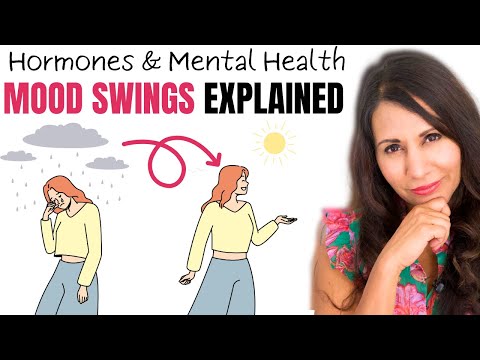
So, you know how sometimes your mood just flips like a switch? One minute you’re feeling on top of the world, and the next, it’s like you’re in a rain cloud? Seriously, it can be overwhelming.
Well, let’s chat about that little thing called ovulation. Yeah, it might sound kinda boring at first, but trust me, there’s a lot more going on than we typically think. Hormones are doing their dance, and sometimes they can mess with your head in ways you wouldn’t even expect.
I mean, picture this: You’re getting ready to go out with friends, feeling excited. But suddenly you’re hit with this wave of anxiety or irritability for no clear reason. Frustrating, right? That’s what I’m talking about!
So grab some coffee or tea and let’s dig into how ovulation can send your mood on a rollercoaster ride and what that means for your mental health. It’s real stuff that we all need to understand better!
Exploring the Link Between Ovulation and Mental Health: What You Need to Know
So, let’s chat about ovulation and how it can mess with your mood. You might have heard folks talk about mood swings during their cycle, especially during those days when you’re ovulating. And oh boy, there’s a lot going on during that time!
Ovulation happens roughly halfway through your menstrual cycle. For most people, this is around day 14 of a typical 28-day cycle. During this time, your ovaries release an egg, and let me tell you—it comes with a hormonal rollercoaster. There’s more estrogen floating around than usual, and that can seriously impact how you feel emotionally.
Now, the thing to keep in mind is that emotions aren’t just in your head—they’re super influenced by those hormones moving around. That surge of estrogen can sometimes lead to intensified feelings, whether they’re positive or negative. You might feel on top of the world one moment and then a bit down the next. It’s like being on an emotional seesaw!
- Mood Swings: Some women report feeling irritable or anxious during ovulation. This can be linked to fluctuating hormones that mess with your brain chemistry.
- Anxiety Levels: Increased levels of progesterone after ovulation might lead to increased anxiety for some people.
- Physical Symptoms: Ever notice physical discomfort during ovulation? Those cramps or bloating feelings can contribute to mood changes too!
You know, it often reminds me of a friend who would joke about how she felt like a totally different person each month. One minute she’d be excited about life—planning trips or starting new projects—and the next minute she’d feel overwhelmed and ready to hide under her blankets. It was all tied to her hormonal shifts.
If you’re finding these swings seriously impact your day-to-day life—like affecting work or relationships—it might be worth talking with someone about it. And while most people experience mild fluctuations, some may deal with more severe symptoms that look similar to premenstrual dysphoric disorder (PMDD). It may sound familiar because it’s more intense than regular PMS.
The good news is that understanding these changes is half the battle! By keeping track of your cycle and noting when you experience these ups and downs, you gain insight into what works for you—maybe some self-care strategies like extra rest or stress-reduction techniques could help ease things up during those tricky ovulatory days.
Your mental health matters, and it’s okay to advocate for yourself when things get tough! Recognizing the link between **ovulation** and **mood** opens up conversations about what you’re experiencing. So talk it out with someone who gets it!
Understanding the Emotional Impact of Ovulation: How Hormonal Changes Influence Your Mood
Alright, let’s chat about something that many people experience but don’t often talk about: the emotional rollercoaster that can come with ovulation. You might have heard that ovulation isn’t just about your body getting ready for a potential pregnancy—there’s a lot more going on behind the scenes, especially when it comes to your mood.
First off, during ovulation—which typically occurs about halfway through your menstrual cycle—your body cranks up production of hormones like estrogen and progesterone. And these hormones can seriously affect how you feel. Estrogen can boost your mood, while progesterone might have a bit of a calming effect. But they don’t always play nicely together, and that’s where the mood swings kick in.
So, what are some of the feelings you might experience?
- You could feel super energized and ready to take on the world one minute.
- The next second? You might be snapping at anyone who looks at you funny.
- Some folks even report feeling more anxious or irritable during this time.
This emotional shift is totally normal. I mean, I remember once my friend told me she felt like she was on a seesaw—one moment laughing uncontrollably at nothing, and then suddenly feeling all weepy over a commercial. It sounds silly, but it’s real! Those hormonal changes can lead to genuine emotional fluctuations.
It’s interesting to note how these shifts play out in different people. Some may be affected more than others due to factors like stress levels, overall mental health history or even lifestyle choices. If you’re dealing with anxiety or depression already, these hormonal changes can amplify those feelings, making things even tougher to handle.
But there’s good news! Understanding this whole cycle can help you ride those waves instead of getting tossed around by them. Keep track of when you ovulate—it’s usually around 14 days before your next period starts—and notice if you’re feeling different during that time. This kind of awareness is empowering!
If mood swings start becoming overwhelming or interfere with your daily life—a little support from a therapist or talking to someone who gets it could really help. Sometimes just knowing you’re not alone in this makes such a huge difference!
In short, while ovulation is an essential part of many people’s reproductive health, it also brings along its own set of emotional challenges. Recognizing how these changes impact your mood is key to managing them effectively.
Managing Mood Swings During Ovulation: Effective Tips for Emotional Balance
So, let’s talk about mood swings during ovulation. Just when you think everything’s chill, your emotions can feel like they’re on a rollercoaster. It’s pretty common and, honestly, just one of those things that happen in life. But what can you do to keep yourself from feeling like you’re losing control? Let’s break it down.
During ovulation, your body goes through some serious hormonal shifts. Estrogen levels peak, which is usually a good thing because it can give you energy and make you feel more alive. But then there’s the other side of the coin—some people experience moodiness or irritability. You might find yourself crying over a TV commercial or snapping at someone for no real reason. Seriously! It happens.
Here are a few effective tips that might help you manage those mood swings:
- Track Your Cycle: Keeping an eye on your cycle can help you predict when these mood swings might hit. There are apps for that! Knowing when to expect changes makes it easier to prepare mentally.
- Stay Active: Exercise is like nature’s anti-anxiety medicine. A brisk walk or hitting the gym can boost those happy hormones and lighten your mood.
- Meditation and Deep Breathing: Taking a moment to breathe deeply or meditate can really help calm things down if you’re feeling overwhelmed. It’s like hitting the reset button on your emotions.
- Nourish Your Body: Eating balanced meals filled with fruits, veggies, and whole grains helps stabilize your blood sugar levels—they seriously affect your mood too!
- Talk About It: Sometimes just talking things through with a friend or family member can lessen the burden of those swirling feelings. You’ll find that sharing makes it feel more manageable.
You know what else? If everything feels too much and you’re struggling even after trying these tips, there’s no shame in reaching out for professional help. Talking to someone who knows their stuff about mental health can really make a difference.
The bottom line is: it’s normal to experience emotional ups and downs during ovulation. You’ve got this! By understanding what’s going on in your body and taking steps to manage how you feel, those wild mood swings don’t have to knock you off balance completely.
If everything else fails, remember: be kind to yourself! Hormones are tricky little buggers sometimes!
So, let’s talk about mood swings during ovulation. Honestly, it’s something that probably doesn’t get enough attention. You know, when you’re just going about your life and suddenly feel like you’re on a rollercoaster of emotions? It can hit hard.
I remember a time when I was hanging out with a friend, and she went from laughing to crying over what seemed like nothing. At first, I thought she was just having one of those days. But then we realized it was around the time she usually ovulated. It became this “aha!” moment for both of us.
Ovulation can totally affect your mood. Hormones are these powerful little messengers in your body that can shift things around in ways you might not expect. When estrogen peaks right before ovulation, some feel elevated—more energetic or even euphoric. But as levels drop afterward? Ugh, that kind of crash can lead to anxiety or irritability.
Now don’t get me wrong; not everyone experiences these swings to the same degree—some women hardly notice it while others might feel like they’re in an emotional blender! The mental health effects can be real though; feeling moody or anxious during this time can create stress around relationships or even work life.
If you notice yourself feeling unusually off right before your period kicks in, it might be worth looking into how these hormonal changes play a role in your mental health. Acknowledging what’s happening gives you back some control.
You might think, “Okay, this isn’t just me being weird.” Understanding the science behind it often helps lessen the burden. You could talk to someone—like a friend or a therapist—about what you’re experiencing because hey, sharing is caring! Just having that supportive connection can make those mood swings feel less isolating.
So yeah, next time you catch yourself on that emotional rollercoaster during ovulation, remember—it’s okay to feel all over the place sometimes! You’re definitely not alone in this wild ride called womanhood.