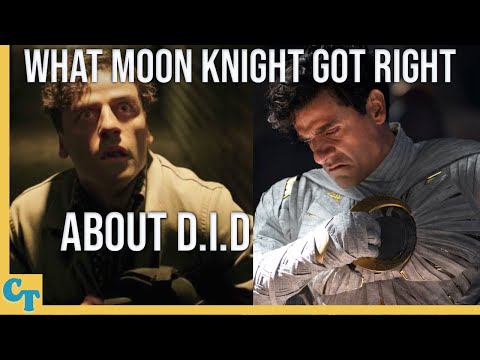
So, have you heard of Moon Knight? It’s like this wild ride through mental health that makes you think. Seriously, the character switches personalities like it’s no big deal.
But here’s the kicker. Those personality shifts point to something deeper, something called Dissociative Identity Disorder. It’s not just superhero stuff; it hits home for a lot of folks in real life too.
And honestly? It can be super complicated. You feel me? There’s so much to unpack about the emotional struggles and why characters like Moon Knight resonate with us.
Let’s chat about how these psychological complexities play out, both in fiction and reality.
Exploring the Controversies Surrounding Dissociative Identity Disorder: Myths, Misunderstandings, and Implications
Dissociative Identity Disorder, often shortened to DID, is a really complex and controversial topic in psychology. You might’ve heard the term “multiple personalities” tossed around. Well, that’s kinda outdated and a bit misleading. The reality of DID is way more nuanced.
First off, people with DID don’t just randomly switch personalities like flipping a switch. It’s more like having distinct identities or “alters,” each with their own memories, behaviors, and even different ways of perceiving the world. This stuff can be serious business.
Now, because of its complexity, there are a ton of myths going around about DID. One common misunderstanding is that people with this disorder are inherently dangerous or violent. That’s simply not true! Most folks with DID just want to live their lives as normally as possible.
Another big point of confusion? The media portrayal of DID can be super dramatized and sensationalized—like what we see in shows like **Moon Knight**. While they do bring attention to the disorder, they often miss the mark on how it truly affects real lives.
Let’s list a few things that people often get wrong about DID:
And speaking of trauma—most folks with DID have experienced severe trauma during childhood, like abuse or neglect. It makes sense when you think about it: dissociation can be a way for the brain to protect itself. If life feels unbearable or threatening at times, creating alternate identities might help someone cope.
The implications surrounding DID can create quite an emotional whirlwind for someone living with the disorder. Think about it—how would you feel if parts of your consciousness felt separate from one another? It must be exhausting and confusing!
One thing we need to prioritize is understanding over judgment. People are more than their diagnoses! Instead of labeling them based on misunderstandings rooted in myths, let’s try to see them as individuals navigating their own complex realities.
When dealing with issues like this one—seriously complex psychological conditions—it helps to approach conversations with empathy and openness. And honestly? Kinda reminds me of how we all feel sometimes; fragmented under life’s pressures but still trying our best to pull through.
In summary, while there are lots of myths and misunderstandings swirling around Dissociative Identity Disorder and its portrayal in media like Moon Knight—what really counts is empathy for those who experience this daily reality. So next time you hear about DID or see it in entertainment sources, think critically and remember: it’s not all black-and-white!
Exploring Moon Knight: Understanding DID and OSDD in the Context of Mental Health
When we talk about «Moon Knight,» we dive into a really complex and often misunderstood part of mental health—Dissociative Identity Disorder (DID) and Other Specified Dissociative Disorder (OSDD). Moon Knight, the character created by Marvel, deals with these issues in a way that’s, like, both compelling and thought-provoking.
So, what is DID? Basically, it’s when someone has two or more distinct identities or personality states. These identities can have their own names, histories, and characteristics. Imagine waking up one day feeling like a totally different person—that’s kinda what it’s like. One moment you’re one person; the next moment you might be someone else entirely. DID often arises from traumatic experiences early in life, usually as a coping mechanism.
Now let’s talk about OSDD. This is pretty similar to DID but doesn’t meet all the criteria for that diagnosis. People with OSDD might experience some dissociative symptoms but not enough to warrant a full DID diagnosis. You could think of it as being in the same family but not being an exact match.
The thing is, Moon Knight’s journey showcases how these disorders can affect someone profoundly. The main character, Marc Spector, struggles with his various identities—like Steven Grant and Jake Lockley—and how they interact with each other. It’s fascinating because it really highlights the internal conflict involved with these conditions.
The show does an intriguing job of illustrating moments where Marc loses control over his identities. For instance, there’s this one scene where he wakes up in a place he doesn’t recognize after losing time—classic dissociative behavior right there! That feeling of confusion? It’s something many people with DID or OSDD experience daily.
It’s also worth mentioning that representations in media can be hit or miss when it comes to mental health conditions. Sometimes they get it right and raise awareness; other times they can misrepresent things so much that it adds to stigma instead of reducing it.
And here’s something to consider: while Moon Knight makes for great TV drama, real-life experiences can be much different and way more challenging. Individuals dealing with DID or OSDD often face difficulties in daily functioning—in relationships, jobs, or even just managing everyday life.
Another key point here is how therapy plays an essential role in treating these disorders. For someone like Marc Spector, engaging in therapy could help him navigate his inner world more effectively and create better communication between his identities, rather than letting them fight for control.
In summary:
- DID involves multiple distinct identities.
- OSDD shares some features but doesn’t fulfill all of DID criteria.
- The portrayal of these disorders in Moon Knight sparks conversation.
- Real-life experiences are complex and often difficult.
- Therapy can offer hope for those living with such conditions.
You see? It’s important to approach characters like Moon Knight not just as entertainment but as ways to start discussions about mental health issues that are often swept under the rug. The psychological complexities are real; understanding them brings us closer to compassion for those who live with them every day.
Exploring the Psychological Complexities of Moon Knight Disorder: Insights from Reddit Discussions
So, let’s talk about Moon Knight, the Marvel character who’s kind of a big deal when it comes to discussing mental health. His story dives into some serious psychological stuff that, honestly, gets people chatting all over Reddit. You’ve got folks really picking apart his experiences and how they mirror what many people face in real life.
Moon Knight is often portrayed as having disassociative identity disorder (DID), which means he has different identities or personalities. This isn’t just a superhero gimmick; DID is a real condition, stemming from trauma or extreme stress during early life. People living with it can feel like they have different selves controlling their actions and memories at various times.
In discussions online, people highlight how Moon Knight’s personalities reflect various parts of his trauma. For example, one persona might embody his guilt over past actions while another might manifest his need for protection. This layered representation reminds us that mental health can be incredibly complex and personal. Like when someone shares their own experience: “It feels like I’m fighting my own shadow,” they say. That kind of feeling resonates deeply with anyone who has wrestled with their inner demons.
Redditors often emphasize how the show brings attention to mental health stigma. Moon Knight isn’t just a hero; he struggles and battles within himself. By showing this struggle, audiences gain insight into what living with mental health challenges looks like. It opens doors for conversations that usually get shoved under the rug in society.
People also point out that therapy isn’t always black and white. In Moon Knight’s case, finding help means navigating through layers of his mind that might not be entirely controllable or even logical from an outside perspective. A user commented on how it felt relatable: “Sometimes I feel like I’m just trying to keep all my pieces together.” That’s something many can relate to—not knowing which part of yourself is in control at any moment.
Another key topic on Reddit involves the idea of identity. With DID, the struggle is often about reconciling these different personas into one cohesive self. Discussions often revolve around how this ties back to themes of acceptance and understanding oneself—something that’s crucial for anyone dealing with mental health issues.
There are also talks about representation in media too! Many folks are thrilled that a mainstream character like Moon Knight is being used to discuss such serious topics. When someone says they finally see themselves represented in media, it’s powerful! It reminds us that storytelling can heal, educate, and create empathy all at once.
Anecdotes shared by Reddit users add richness to these discussions. One person talked about how reading about Moon Knight helped them realize they weren’t alone in feeling fragmented or disconnected from themselves at times. That connection—that sharing—can feel like a lifeline for somebody struggling with their own identity or mental health challenges.
So yeah, diving into Moon Knight opens up a lot more than just comic book chatter; it raises essential conversations around trauma, identity, and healing processes that remind us we’re all human—even superheroes!
You know, Moon Knight is a wild character. He’s not just your average superhero. The thing that makes him stand out is his struggle with Dissociative Identity Disorder (DID). This kind of mental health condition, which you might have heard about as Multiple Personality Disorder, involves having two or more distinct identities or personality states. It can really mess with someone’s perception of reality and sense of self.
Imagine waking up one day and feeling like you’re in someone else’s body or mind. That’s what it can feel like for folks dealing with DID. They might flip between identities that have different memories, behaviors, and ways of thinking. For someone like Moon Knight—who’s got these wild personas like Steven Grant, Marc Spector, and the vengeful Moon Knight himself—it can get super messy.
I remember a friend of mine who went through something similar, although not to the extreme level of a comic book character. She’d sometimes zone out or forget things that happened in her day-to-day life. It wasn’t until she opened up about those experiences that we realized how good she was at masking it all with humor and charm. But behind the smiles? There was real pain and confusion.
Moon Knight’s story paints a vivid picture of how trauma can fracture identity—something that often comes from deep-rooted experiences like childhood abuse or severe stress. The way these characters interact with each other inside his mind shows just how complicated this disorder can be. You see them fighting for control, battling inner demons while trying to save the world!
But really, it calls attention to something important: mental health isn’t black and white; it’s an entire spectrum filled with nuances and complexities. We often think superheroes are invincible when they’re actually wrestling with their own minds just like anyone else would do in real life.
So yeah, exploring characters like Moon Knight offers us a reminder about empathy toward people dealing with DID or any kind of mental health struggles; because at the end of the day, everyone has their battles—even if they’re wearing capes!