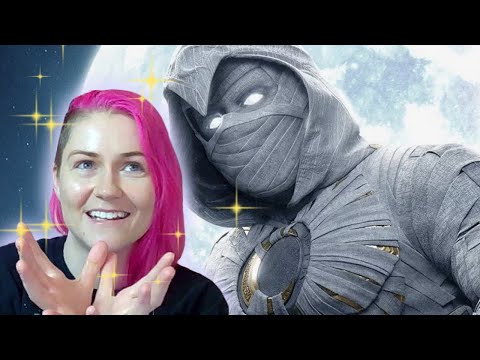
So, you know that Marvel show «Moon Knight»? It’s pretty wild, right?
I mean, this guy has multiple identities. And it’s not just some cool superhero gimmick.
We’re talking about Dissociative Identity Disorder here. It can feel really complicated and heavy, but it’s also fascinating!
It makes you think about how our brains work when we’re dealing with trauma, stress, or just life in general.
Like, what happens when your mind creates other versions of you to cope? Sounds intense!
Let’s break it down together and see what makes “Moon Knight” more than just a superhero story.
Exploring Moon Knight: Understanding Dissociative Identity Disorder Through the Lens of a Marvel Hero
Diving into Moon Knight is like stepping into a wild and complicated world. Led by Marc Spector, this character gives us a glimpse of what living with Dissociative Identity Disorder (DID) can look like in a superhero context. So, let’s break it down a bit.
Moon Knight, aka Marc Spector, is unique because he has multiple identities. Throughout the story, we see him shift between these personas: the millionaire Steven Grant, the cab driver Jake Lockley, and of course, Moon Knight himself. Each identity serves a purpose—like coping mechanisms for traumatic experiences. This is really key because that’s often how DID functions in real life.
DID usually comes from severe trauma during childhood. When Marc was young, he faced some intense stuff that no kid should ever go through. The thing is, our minds are amazing at protecting us. They can create separate identities to help cope with pain and stress. That’s not just storytelling; many people with DID experience similar things.
Now, here’s where it gets deeper. In the show and comics, you often see Marc struggling with his identities—not just switching between them but dealing with the chaos that comes along for the ride. Sometimes he doesn’t even realize he’s switched until later on. Imagine waking up after a night out and not remembering anything—that’s part of it! For someone with DID, it’s like that but on another level.
You might notice how Moon Knight tackles his challenges while fighting crime. His different identities have their own skills and strengths. This isn’t just for show; it mirrors how individuals with DID may use their various identities to handle different situations in life—some identities are more assertive while others might be more nurturing or even avoidant.
So then there’s integration—the concept of bringing all these identities together into one cohesive self. For Marc Spector, this process isn’t easy and it often takes time and therapy to work through past traumas and understand each part of his identity.
In real life too, people living with DID often benefit from therapy that helps them communicate among their identities, fostering understanding and healing instead of conflict—a major theme we see in Moon Knight’s journey as well.
In short:
- DID stems from trauma.
- Moon Knight shows how separate identities cope with pain.
- Switching between identities can feel disorienting.
- Integration takes time in both fictional worlds and reality.
It’s pretty fascinating how stories like Moon Knight reflect some real struggles people face while giving us superhero vibes! It makes the subject approachable yet respectful—it invites conversation about mental health without glossing over difficulties.
Exploring Moon Knight: Is the Superhero Canonically Schizophrenic?
Moon Knight, the Marvel superhero created by Doug Moench and Don Perlin, has been a fascinating character for comic fans and mental health advocates alike. The thing is, Moon Knight’s journey dives deep into the complexities of mental health, particularly Dissociative Identity Disorder (DID). So, is he canonically schizophrenic? Let’s break it down.
First off, Moon Knight—whose real name is Marc Spector—has multiple identities: Mark Spector, Steven Grant, and Jake Lockley. Each identity has different backgrounds and personalities. This makes his experience more aligned with DID rather than schizophrenia. In DID, people don’t just hear voices or have delusions; they literally switch between distinct identities that can take over their behavior.
Schizophrenia, on the other hand, usually involves symptoms like hallucinations (seeing or hearing things that aren’t there), delusions (false beliefs), and disorganized thinking. The portrayals of schizophrenia in media can often be misleading or oversimplified. While characters might struggle with reality in a way that could overlap with some experiences in DID, they are fundamentally different conditions.
Now, let’s think about Marc Spector. He’s a complex guy who deals with severe trauma from his time as a mercenary and then as a vessel for the Egyptian moon god Khonshu. His mental state often fluctuates due to these intense experiences and traumas he faced. A big part of his story revolves around how these traumatic events shape his personalities.
When you look at Marc from this angle, you see him grappling with issues like identity confusion and memory gaps—key indicators of DID. For instance:
- When one personality takes over, Marc can have no memory of what happened during that time.
- Each identity has its own job: Steven Grant is more about the business side while Jake Lockley may act as the enforcer.
This shifting can be super disorienting for both him and those around him. It’s important to note that while some aspects might be dramatized for entertainment value, they still touch on real struggles faced by those living with DID.
You know what’s intriguing? The creators behind Moon Knight have worked hard to present these challenges authentically. Writers like Jeff Lemire and Warren Ellis have taken great care in crafting storylines that resonate deeply with the realities of living with such complex mental health issues.
But here’s where it gets sticky—some conversations blur lines between mental illness narratives in superheroes because Hollywood often leans into dramatic tropes instead of nuanced portrayals. This sometimes leads to misconceptions about what conditions like schizophrenia or DID really entail.
In short: Moon Knight navigates life through multiple identities due to Dissociative Identity Disorder rather than schizophrenia. If you’re curious about mental health representation in comics or media more broadly, it’s worth digging into how characters are developed over time.
So when you see Moon Knight on screen or in print, pay attention to those layers of complexity! He’s not just battling villains; he’s also battling within himself—and that’s where things get really interesting!
Exploring Moon Knight: Does the Character Exhibit Symptoms of OSDD?
Sure, let’s take a look at Moon Knight and see if he displays symptoms of OSDD, which stands for Other Specified Dissociative Disorder. It’s a little complex, but I’ll break it down for you.
First off, Moon Knight is a character created by Marvel Comics. His real name is Marc Spector. He’s a former Marine, CIA operative, and mercenary who ends up becoming the avatar for the Egyptian moon god Khonshu. Sounds like a wild ride, huh? So here’s where it gets interesting: he has multiple identities.
Now, Dissociative Identity Disorder (DID) and OSDD are both dissociative disorders, but they have their differences. DID involves having two or more distinct identities or personality states that have their own ways of thinking and behaving. In contrast, OSDD might include dissociation but doesn’t fit neatly into the full criteria for DID. It’s like being in an in-between space.
In the case of Moon Knight, he doesn’t just have one alter ego. He has several personas which are triggered during stress or trauma—so this definitely leans toward dissociation.
Here are some key points to consider:
These elements illustrate that Moon Knight exhibits symptoms suggesting complex dissociation rather than strictly fitting into DID alone. This is where OSDD comes into play since he navigates through these various identities without fully conforming to what you’d expect from someone with DID.
Think about it this way: imagine feeling fragmented because of intense emotional turmoil or experiences you can’t quite process properly—it’s like there’s a part of you that splits off to handle things differently. That’s something that resonates with Marc’s journey throughout his adventures.
Moon Knight, right? That show really puts a spotlight on some heavy stuff, especially when it comes to mental health. You’ve got this character, Marc Spector, who’s living with Dissociative Identity Disorder (DID). And let me tell you, it’s a lot more than just having multiple personalities. It’s like layers of a complex onion that you peel away to reveal some pretty intense emotional experiences.
I remember watching an episode where Marc would switch between identities so quickly. One moment he’s this tough guy fighting crime and then poof! He’s Steven Grant, this more timid character who’s just trying to figure things out. It was wild seeing how each identity had distinct traits and backgrounds. Honestly, it made me think about how we often play different roles in our own lives—like the confident friend in one situation but the anxious person in another. But for Marc, it was like those roles were completely separate beings living inside him.
What really hit home for me was when they started exploring the trauma behind DID. The thing is, it’s not just about having these identities; it’s often rooted in past experiences that are too overwhelming for someone to process all at once. I can recall a time when I was dealing with my own messy emotions after a breakup—it felt like my mind was fractured too, split between holding onto happy memories and wanting to forget the pain entirely. So even though I can’t say I fully understand what someone with DID goes through, moments from Moon Knight reminded me that we all have our battles.
And there’s something so powerful about seeing mental health represented onscreen in such a raw way. It gets people talking and thinking beyond stereotypes or misunderstandings about mental illnesses. Sure, it can be controversial how they portray DID—some folks think it glamorizes the disorder or misrepresents it entirely—but at least it opens up conversations!
So yeah, Moon Knight isn’t just action-packed superhero stuff; it dives deep into the complexity of human experience. Whether you relate directly to Marc’s struggles or not, there’s definitely something in there about grappling with identity and facing your own shadowy corners of life—a reminder that everyone has their layers to uncover.