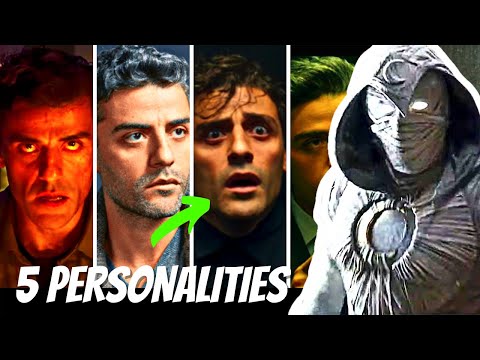
Okay, so you’ve probably heard of Moon Knight, right? That Marvel character who’s all about the night and stuff? But, like, it’s not just the cool costume that gets everyone talking.
What really grabs people is his split personality. Seriously, it’s a wild ride! You’ve got Mark Spector, Steven Grant, and a couple others bouncing around in one head. Yeah, talk about complexity!
Imagine juggling multiple personalities. Each one has their own vibes and quirks. It’s like living in a constant wrestling match with yourself—pretty intense, huh?
So, let’s chat about what makes Moon Knight’s journey so captivating. His struggles mirror real-life issues many people face with dissociative identity disorder—or DID for short. It kinda makes you think about how we all hide parts of ourselves sometimes.
Get ready to dig into the messy yet fascinating world of split personality dynamics! I promise it’ll be worth it!
Exploring Moon Knight: Is Split Personality Disorder Accurately Portrayed in the Series?
So, let’s chat about “Moon Knight” and that whole split personality thing. When you hear “split personality,” it’s usually a reference to what professionals call **Dissociative Identity Disorder (DID)**. This condition involves having two or more distinct identities or personality states, each with its own way of perceiving and interacting with the world. It’s pretty complex!
In the series, we see Marc Spector and Steven Grant as two prominent identities of the same person. They’re like roommates in one body but totally different in terms of personality. One’s a tough mercenary, while the other’s a quirky gift shop guy—you follow me? The show makes it seem like they have a back-and-forth relationship, which can happen in real life but it’s not always that neat and tidy.
Now, DID is often rooted in trauma. Many people develop this disorder as a way to cope with severe childhood trauma. For example, if someone had an abusive background, they might create alternate personalities to protect themselves emotionally. In “Moon Knight,” the series hints at Marc’s traumatic past—his experiences are intense and shape his identities.
Another thing to consider is how the show portrays memory gaps. People with DID often find they have periods they can’t remember because different identities take over at different times. Just like when Steven discovers things he’s done during Marc’s time—like fights or confrontations he has no memory of! It’s a pretty accurate reflection of that *amnesia* aspect associated with DID.
But here’s where it gets tricky: the show simplifies some aspects for drama. In reality, not everyone with DID has such clear-cut personalities or even knows about each other right away. Some may live their whole lives without ever realizing they have different parts! So while “Moon Knight” does touch on real elements of this condition, it also takes creative liberties for storytelling.
Now about therapy: people with DID often need specialized treatment that focuses on understanding their various identities and integrating them into one cohesive self. We don’t see much of this therapeutic journey in “Moon Knight.” Instead, the focus leans more into action-packed scenes than emotional healing processes.
To wrap things up, while «Moon Knight» does bring attention to Dissociative Identity Disorder and presents aspects that resonate with real-life experiences, it also leans into drama rather than showing all sides of this complex condition accurately. So yeah, it’s an interesting ride but worth taking everything presented there with a bit of caution!
Understanding the Link Between Trauma and Split Personality: Causes and Insights
Trauma can really shake things up in a person’s life. It’s like being hit by a wave, leaving you trying to catch your breath as everything changes. When we talk about trauma and split personality, or what professionals call Dissociative Identity Disorder (DID), it’s essential to understand how these experiences connect.
DID usually develops as a way to cope with severe trauma, particularly during childhood. Imagine being young and going through something so overwhelming that your mind creates different identities to help you handle it. This is basically your brain’s defense mechanism kicking in. It’s not so much about wanting to have multiple personalities; it’s more about survival.
So, here’s what happens: whenever the trauma hits—like abuse or neglect—your mind might just switch gears. It can create different identities, each with its own memories and emotions related to different aspects of your life. You could say it’s like having a collection of chapters in a book that don’t quite match up.
Now let’s dive into some key points about this connection:
- Childhood Trauma: Most cases of DID stem from early traumatic experiences.
- Dissociation: This is the process where you separate yourself from reality. Your brain does this to protect you from pain.
- Multiple Identities: Each identity may carry specific memories or feelings tied to past traumas.
- Triggers: Certain situations can bring out one identity over another based on what’s happening around you.
- Moon Knight Example: In the show, we see a character named Marc Spector who struggles with multiple identities due to past traumas experienced in childhood and adulthood.
Understanding all this helps because it shines a light on how complex human emotions can be. People living with DID often face stigma, but remember: they didn’t choose this path; their brains did what was necessary for them at that point in time.
It can be challenging to navigate life when memories don’t fit neatly together or when different parts of yourself clash against each other. Therapy plays a huge role here—it helps individuals integrate their experiences and find healthier ways of coping.
There was this one time I met someone dealing with DID who shared how they sometimes felt completely disconnected from their day-to-day life. They described feeling like they were watching themselves through glass—like there was an observer instead of full participation in living their life. That disconnect? That’s part of the dissociative experience.
So yeah, while trauma can lead to split personalities—it’s vital for us all to approach this topic with kindness and understanding. People aren’t just “quirky” or “weird”; they’re navigating a complex maze built by their mind’s protective instincts gone into overdrive.
In short, the link between trauma and DID is profound—but there’s hope too! With support, healing is possible, and people can move towards integration—where everything feels more whole again over time.
Exploring Moon Knight: Does the Character Experience DID or OSDD?
Moon Knight is a fascinating character. He brings a lot of depth and complexity when it comes to discussing mental health, especially in relation to Dissociative Identity Disorder (DID) and Other Specified Dissociative Disorder (OSDD). Let’s break it down.
First off, Moon Knight’s real name is Marc Spector. He’s not just your average superhero; he’s a former mercenary who gets involved with Egyptian gods. The thing is, his journey takes a toll on his mental health. He starts developing multiple identities or “alters,” which is where we can connect the dots to DID.
DID vs OSDD—what’s the difference? Well, DID typically has two or more distinct identities or personality states that control an individual’s behavior at various times. Each identity can have its own name, history, and characteristics. On the flip side, OSDD includes similar experiences but doesn’t fully meet the criteria for DID. That can mean fewer identities or ones that aren’t as well-defined.
Now, in Moon Knight’s case, he clearly displays these different identities. When things get rough for Marc, other identities like Steven Grant and Jake Lockley emerge. Each one plays a unique role in his life—like coping mechanisms for trauma he experienced.
One defining moment for many fans comes when Marc realizes he has multiple identities—this moment isn’t just dramatic; it taps into the confusion often felt by those with DID or OSDD. Imagine waking up and not knowing who you are or why you’re somewhere else—seriously disorienting stuff!
Another key point is how trauma shapes these alters. Marc’s backstory involves intense experiences like abuse and war trauma—things that push psychological boundaries. This history aligns with how DID often develops in response to severe stressors during childhood or adolescence.
Treatment representation also deserves a shout-out here! In some story arcs, we see him seeking help through therapy—a positive move! This reflects an essential aspect of mental health: recovery takes time and support from others.
The coolest thing about Moon Knight? It shines a light on complex issues surrounding identity and mental wellness while keeping us entertained! For those grappling with similar conditions in real life, seeing such characters can be both validating and somewhat comforting.
In short, while some argue about whether Moon Knight fits more neatly into DID or OSDD clinical descriptions—it doesn’t really change his story’s heart. It sparks conversations about understanding mental health struggles beyond labels. And hey, that’s pretty powerful stuff!
Moon Knight is one of those characters that just gets you thinking, you know? His story dives deep into the murky waters of split personality dynamics, or what they now call Dissociative Identity Disorder (DID). It’s like a rollercoaster—thrilling, confusing, and sometimes a little scary.
I remember watching the show and feeling this mix of excitement and discomfort. There’s Mark Spector, the main persona, but then you have Steven Grant, who’s totally different—no idea what’s going on half the time. It’s not just about having different voices in your head; it’s more like each personality holds a piece of Mark’s experiences and emotions. That’s incredibly complex. One minute you’re rooting for him as this badass superhero, and the next you’re seeing him struggle with memory gaps and identity crises. You get this sense of how fragmented he feels inside.
What struck me was how each persona reflected different aspects of trauma. You can see how they protect him in various ways while also creating chaos in his life. I mean, who hasn’t felt torn between different versions of themselves at times? Like when you’re trying to balance work stress with personal life or dealing with conflicting emotions after a breakup—it can feel like there’s more than one «you» wrestling for control sometimes.
The show doesn’t shy away from showing the darker sides of this disorder either. The confusion Mark goes through hits hard; it reminds us that mental health struggles aren’t always visible from the outside. People might think he’s just a quirky superhero when really he’s battling some serious demons.
And let’s be real here: even though Moon Knight is a fictional character ramping up all these fantastical elements, his experience resonates with many who deal with DID or similar issues. There’s something powerful about watching someone navigate the complexities of their mind while still fighting against external threats. It makes you feel less alone in your own struggles, no matter what flavor they come in.
In the end, Moon Knight is more than just another comic book hero; he’s an exploration into human psyche—messy and beautiful at times. His journey challenges us to think about identity, trauma, and healing in ways that are both relatable and profound. And honestly? I can’t wait to see where his story goes next!