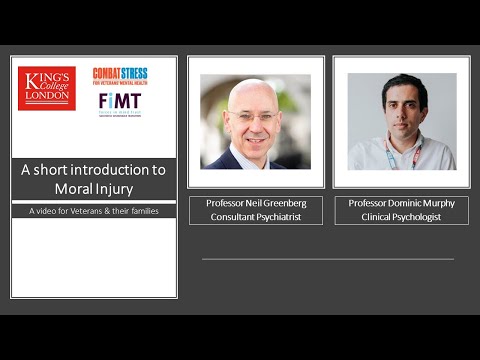
You know that feeling when something gnaws at you deep down? Like, you can’t quite shake it off? That’s kind of what moral injury is all about.
Imagine being in a tough spot where you have to make choices that clash with your values. It’s like standing at a crossroads and feeling completely lost.
For some folks, especially veterans or first responders, this can really eat away at their mental health. It’s not just about being sad or anxious—it’s more complicated than that, and it hurts in different ways.
Moral injury can leave you feeling shame, guilt, or even anger towards yourself. You start questioning your identity and beliefs. Yeah, it’s messy stuff!
So let’s chat about what moral injury really means, and how it connects to mental health. You might find it resonates more than you think!
Understanding Moral Injury in Healthcare: Real-Life Examples and Insights
Moral injury in healthcare is a pretty intense topic. It’s not just about feeling bad or guilty for something you did. It’s when professionals, like nurses or doctors, face situations that deeply clash with their values and ethics. Imagine being a nurse who has to prioritize patients based on who can afford care while others are left to suffer. Just thinking about that is heavy, right?
Moral injury often comes up in situations where healthcare workers feel they can’t do what they believe is right. This isn’t just about individual actions; it’s tied to the systems they’re working in. When policies make it hard for them to provide the care they think patients deserve, well, you can see how that would create conflict.
Here are some key points that help explain this whole moral injury thing better:
- Conflict with personal values: Many healthcare workers enter the field to help people. But when they’re forced into tough choices—like cutting corners or compromising care—this can lead to serious internal struggle.
- Witnessing suffering: Imagine being in an emergency room where there’s not enough staff to care for everyone effectively. You see patients in pain but can’t do anything substantial because of resource limitations. This can haunt someone emotionally and mentally.
- Lack of support: Sometimes, these professionals don’t have a place to talk about their feelings or experiences. They might bottle things up rather than share their struggles with others.
- Cumulative effects: Just one moral injury incident can be damaging, but repeated exposure to these conflicts can pile up and lead to burnout or PTSD-like symptoms.
I remember chatting with a friend who works as an ER nurse. She described having to turn away patients because the hospital was at full capacity. She talked about feeling completely helpless as people who needed help were literally left outside in pain, waiting for beds to open up—all while she was just trying her best. It was heartbreaking hearing her struggle with feeling like she wasn’t able to live up to her calling.
Another layer of this issue is how people cope with it afterward. Some might seek therapy or peer support groups where they can share experiences without judgment. Others might engage in self-care practices—like exercise or hobbies—to help manage their emotional load.
In sum, moral injury isn’t just another buzzword; it’s a real phenomenon affecting those on the front lines of healthcare every day. The emotional and psychological impact can be devastating if not addressed appropriately—and that’s something we all need to keep our eyes on as conversations around mental health evolve within the healthcare environment.
Understanding Moral Injury: Insights from the DSM-5 and Its Impact on Mental Health
Moral Injury is one of those terms that have been getting more attention lately, especially when talking about mental health. You could say it’s like a wound to your conscience. It happens when someone does something—or fails to do something—that goes against their personal morals or values. It’s not the same as PTSD, but it can feel just as heavy.
So, basically, moral injury often plagues people in fields where decisions can lead to dire consequences. Think about soldiers in combat situations. They might have to make a choice where lives are at stake. But it’s not just military folks; first responders, healthcare workers, or even everyday people caught in tough ethical situations can experience it too.
In the DSM-5 (that’s the Diagnostic and Statistical Manual of Mental Disorders, for those who aren’t familiar), you won’t exactly find “moral injury” listed as a diagnosis. Instead, it’s considered closely related to PTSD and other disorders under the umbrella of trauma-related issues. The DSM-5 focuses on how trauma can affect mental health but doesn’t directly address that deeper spiritual or moral harm folks feel when they think they’ve violated their own values.
What really stands out with moral injury is how it can lead to some serious emotional struggles. People dealing with this might experience:
- Guilt: They might keep replaying their actions over and over in their heads, feeling they could’ve done something different.
- Shame: It’s almost like they feel less worthy because of what happened.
- Anxiety: The tension of living with these unresolved feelings can be overwhelming.
- Isolation: They may withdraw from friends and family because they fear being judged or don’t want to talk about what they went through.
Here’s an example: imagine a paramedic who arrives at a scene where there are multiple victims but only enough resources to save one person. If they choose who gets help based on criteria that feels unjust—like age or ability—they may carry that decision for life, questioning whether they did the right thing.
The impact of moral injury doesn’t just stay locked up inside either; it spills over into relationships and day-to-day life. Friends may notice changes in behavior but struggle to understand what’s going on beneath the surface.
Coping isn’t easy when you’re dealing with this kind of psychological fallout. Traditional therapy helps—especially approaches like cognitive-behavioral therapy (CBT) which encourages reframing thoughts—but sometimes you need more than just chatting things out. Some folks benefit from group therapy where sharing similar experiences helps lessen that burden.
And don’t forget self-care! Doing things that nurture your spirit—like volunteering, meditation, or spending time in nature—can be incredibly healing for your mind and soul.
So yeah, moral injury is complex and messy, like so many things related to our psyche. You’re not alone if you’ve gone through something like this; it’s more common than we often realize! Recognizing it as a real issue is key because once you name it, you’re already one step closer to healing.
Identifying Moral Injury: A Comprehensive Guide to Diagnosis and Understanding
Moral injury is one of those terms that’s become more common in discussions about mental health, especially for people in high-stakes jobs, like military personnel or first responders. What’s tricky about moral injury is that it’s not just about feeling bad; it’s a unique kind of pain tied to violations of one’s moral or ethical beliefs.
Moral injury can happen when you make decisions or witness events that clash deeply with your values. For instance, let’s say a soldier feels they had no choice but to participate in a mission that led to civilian casualties. They may struggle with guilt and shame afterward, which doesn’t quite fit into the usual PTSD framework. That guilt can feel suffocating.
Diagnosing moral injury isn’t like checking a box on a form; it’s more nuanced. Here are some key signs to look out for:
- Intense feelings of guilt or shame: You might replay events in your mind endlessly.
- Loss of trust: This could be trust in yourself, others, or even the system.
- Feeling emotionally numb: Sometimes you might feel disconnected from everything around you.
- Moral conflict: You could find yourself questioning everything you ever believed was right.
Each person experiences these aspects differently. For example, someone may feel anger towards themselves while another feels completely lost and unable to connect with their prior beliefs.
When we talk about understanding moral injury, it often requires delving into personal narratives. It’s less about standardized tests and more about deep conversations where someone can share their story without feeling judged. It’s essential to explore what happened and how it affected their sense of self.
Treatment can be tricky, too. Traditional methods for PTSD might not fit here as tightly since it’s all wrapped up in morality rather than just traumatic experiences alone. People often benefit from approaches like meaning-centered therapy, which helps them process their experiences and reframe their thoughts around those moral conflicts.
Connecting with others who’ve had similar experiences can also provide comfort and validation. Sharing these kinds of stories often helps people realize they’re not alone in this battle against their own conscience.
If you’re worried about someone who might be dealing with this kind of emotional trauma—or if it’s you—remember: it’s totally okay to seek help. Finding the right support can make all the difference as you navigate through the complex feelings tied up in moral injury.
So yeah, moral injury isn’t just another mental health term; it digs deep into who we are and what we believe is right or wrong. Understanding it means recognizing its profound effects on individuals’ lives—a reminder that everyone is doing the best they can, given their challenges and choices.
Moral injury, huh? It’s one of those terms that gets tossed around a lot, especially in the mental health field. But honestly, it’s not always clear what it really means. So, let’s break it down a bit.
Imagine you’re in a situation where you have to make an impossible choice. Maybe you’re serving in the military and witnessing things that just leave you shaken to your core. You see stuff that goes against everything you believe in—like maybe taking a life when it’s not necessary or standing by while someone else gets hurt. That feeling of having crossed an ethical boundary? Yeah, that’s moral injury.
I remember talking to a friend who served overseas. He returned home visibly changed—not just from his experiences but from the weight of decisions he had to make under pressure. He told me he felt like he betrayed his own morals, and that guilt was just suffocating him. It wasn’t PTSD; it was deeper than that—it was about feeling like he failed to live up to his own standards.
So, in mental health contexts, moral injury can lead to all sorts of struggles: anxiety, depression, and even issues with trust or relationships. It can be like carrying this invisible backpack full of rocks everywhere you go—heavy and exhausting.
It’s important for folks dealing with moral injury to find spaces where they can talk about their feelings without judgment. Because let’s face it: society doesn’t always get this stuff or know how to handle conversations around shame and guilt tied up with morals.
Sometimes people think therapy is just about finding solutions or coping skills, but in these cases? It might be more about unpacking those emotional rocks one by one until you can breathe again. Talking through experiences with someone who gets it can sometimes help lighten the load a little.
So yeah, moral injury isn’t just another clinical term; it’s real and messy and affects many lives deeply. It’s crucial we create environments where people feel safe opening up about these feelings instead of hiding them away like shameful secrets buried deep inside. Because everyone deserves support when grappling with such heavy burdens.