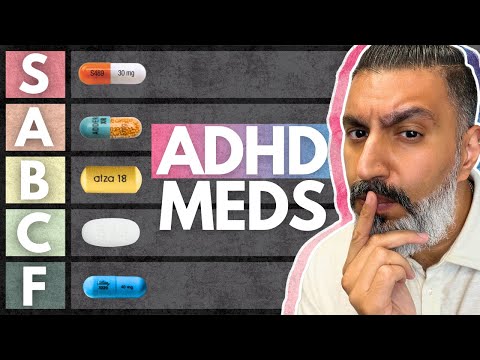
Hey! So, ADHD—right? It’s one of those things that’s super common, but often misunderstood. You might know someone with it or maybe you’re just curious. Either way, let’s chat about it.
We all have days where we feel a bit scattered or forgetful. But for some folks, it can be way more than that. It can mess with work, school, and even relationships. Crazy how that works!
One of the big questions is: what helps? That’s where medications come in. There are quite a few options on the table for managing ADHD symptoms. They can make a real difference for many people.
But hey, it’s not all about popping pills! There’s so much to consider when talking about meds and mental health. You wanna know what’s what? Let’s dig into the details together!
Top Medications for Managing ADHD and Depression: A Comprehensive Guide
Managing ADHD and depression can feel like a balancing act, right? You might know someone who’s dealing with these conditions or maybe it’s you. There are some common medications out there, and understanding them can help make things clearer.
ADHD Medications: The main types include stimulants and non-stimulants. Stimulants are usually the first line of treatment—like your go-to for a quick energy boost.
- Methylphenidate: This one includes brands like Ritalin or Concerta. They work by boosting dopamine levels, which helps with focus and attention.
- amphetamines: Medications such as Adderall and Vyvanse fall in this family. They’re similar to methylphenidate but might be better for some people.
- Atomoxetine: A non-stimulant option that might be used if stimulants aren’t working or cause side effects. It works differently by affecting norepinephrine.
When starting any of these meds, you want to pay attention to how they make you feel. Sometimes it’s trial and error before finding what clicks for you.
Depression Medications: These usually fall into different classes as well.
- SSRIs (Selective Serotonin Reuptake Inhibitors): Think of these as the first-choice meds for depression. Fluoxetine (Prozac) is a popular one, helping increase serotonin levels in the brain.
- SNRIs (Serotonin-Norepinephrine Reuptake Inhibitors): Venlafaxine (Effexor) is a good example here; it targets both serotonin and norepinephrine, which can enhance mood and energy.
- Other options: There are also atypical antidepressants like Bupropion (Wellbutrin), which mainly affect dopamine levels. This one is unique since it doesn’t usually tend to cause weight gain.
Now, mixing ADHD and depression meds can be tricky sometimes! Your doctor needs to keep an eye on interactions because some antidepressants may decrease the effectiveness of ADHD medications or vice versa.
Let me tell you about my friend Jake—he struggled with focusing in class while feeling really low at times. After visiting his doc, he started on Adderall for his ADHD while also taking an SSRI for his depression. It took a few months to fine-tune the dosages, but now he’s doing way better at work and feels less overwhelmed!
The thing is, medication is just part of the puzzle. Therapy plays an important role too! A mental health professional can provide support while you’re figuring things out with medication.
You know what? Just remember: Every person’s journey with ADHD and depression is unique. What works wonders for one person might not do much for another—keep that in mind when exploring options! Be open with your healthcare provider about how you’re feeling because they want what’s best for you.
Exploring the Use of SSRIs in ADHD Treatment: What You Need to Know
Sure thing! Let’s break down the use of SSRIs, or selective serotonin reuptake inhibitors, in treating ADHD—Attention Deficit Hyperactivity Disorder. You might think of SSRIs for things like depression or anxiety, but they can pop up in ADHD treatment too. Here’s what you should know.
What are SSRIs?
First off, these are a class of medications that mainly increase the level of serotonin in your brain. Serotonin is one of those chemicals that helps regulate mood, and you can imagine it as your brain’s little helper when it comes to feeling good.
Now, back to ADHD. It’s typically treated with stimulants like amphetamines and methylphenidate because they’re super effective at increasing attention and decreasing hyperactivity. But sometimes, people don’t respond well to these stimulants or may even have side effects that feel unbearable.
When are SSRIs considered?
Here’s where SSRIs come into play. They’re sometimes used when individuals also struggle with other conditions like anxiety or depression, which is pretty common among those with ADHD. So basically:
But it’s not just a one-size-fits-all solution. Imagine someone named Alex who has ADHD along with pretty bad anxiety. The stimulants helped his focus but made his anxiety skyrocket! In this case, doctors might give him an SSRI to help mellow out the anxious feelings while still working on attention.
How do SSRIs work for ADHD?
While not traditionally the first choice for treating ADHD, there are studies suggesting they can help improve some symptoms for certain people. They don’t directly target the core symptoms of ADHD but can help with emotional regulation and impulsivity.
The thing is—SSRIs aren’t magical fixes. They take time; usually several weeks before you see any effects. And then there are potential side effects: nausea, weight gain, or fatigue might pop up during treatment.
What about other options?
Sometimes physicians consider combining treatments too:
That said, consult a healthcare professional about your specific situation if you’re thinking this route.
So yeah, while SSRIs aren’t usually the go-to for treating ADHD alone, they can play a vital role when other mental health issues come into the mix. Just keep communication open with your healthcare provider so you can make decisions together that fit best for your unique needs!
Understanding Mood Stabilizers for ADHD: Benefits, Uses, and Considerations
So, you’re curious about mood stabilizers for ADHD? That’s cool! It’s a pretty interesting topic. Many people think of stimulants when talking about ADHD treatments, but mood stabilizers can also play a role. Let’s break it down.
First off, what are mood stabilizers? Well, they’re medications mainly used to treat mood disorders like bipolar disorder, but they can be helpful for other issues too. They work by smoothing out extreme highs and lows in mood. The thing is, some people with ADHD might also struggle with emotional regulation or mood swings. So using a mood stabilizer alongside typical ADHD treatments could be beneficial.
Benefits of Mood Stabilizers for ADHD
There are several reasons why a healthcare professional might suggest these meds for someone with ADHD:
Now, let’s talk about some common types of mood stabilizers.
Types of Mood Stabilizers
You’ve got options:
It’s good to chat about how these meds work too!
How They Work
Mood stabilizers tend to influence neurotransmitters—those little chemical messengers in your brain. They help balance out things like serotonin and dopamine levels. With this balance, you might find that those wild emotional swings become more manageable.
Now here comes the important part:
Considerations Before Starting
Always discuss side effects and possible interactions with other medications when considering any treatment plan:
Starting any new medication is kind of like trying on shoes—you gotta find the right fit!
To sum it up: while traditional stimulant medications are often front-runners in treating ADHD symptoms, mood stabilizers have their place too—especially if you’re dealing with emotional ups and downs along the way. Always keep an open conversation going with your healthcare provider so you both feel good about whatever path you choose together. After all, mental health is pretty personal stuff!
So, ADHD, or Attention-Deficit/Hyperactivity Disorder, is one of those things that gets a lot of attention lately. And honestly? It’s totally understandable. Living with ADHD can feel like trying to ride a rollercoaster when everyone else is just chilling on a merry-go-round. You might be bouncing between ideas, feeling distracted or restless – and that can be tough.
When it comes to managing ADHD, medication is often part of the conversation. You’ve probably heard of things like stimulants and non-stimulants, right? Stimulants are the most common type and include meds like Adderall and Ritalin. The way they work is pretty cool—they basically help increase the levels of certain chemicals in your brain that help with focus and attention. People tend to notice improvements pretty quickly, too! Like, they might suddenly find it easier to finish tasks or pay attention in conversations.
But here’s the thing: medication isn’t a one-size-fits-all solution. Seriously! I know someone who took Adderall for their ADHD and felt like a new person—finally able to sit down and write those papers they’d been procrastinating on forever! But then there were others who tried it and experienced side effects that were just too much for them, like insomnia or anxiety. Not great.
Then there are non-stimulants like Strattera. These can be more gentle on the system but might take longer to really kick in—like weeks instead of days. For some folks, this might be what they’re looking for since they don’t want the ups and downs that come with stimulants.
And just a heads-up: finding the right medication can sometimes feel like dating! You try one out, see how it goes; if it doesn’t click for you? You move on to the next possibility until you find “the one.” It’s not always easy or straightforward.
The emotional side of this whole process can’t be ignored either. It can feel incredibly vulnerable putting your mental health into someone else’s hands—especially when you’re trying out different medications just to find relief from those frustrating symptoms. Support from friends or therapists during this time can really make a difference; it’s reassuring knowing you’re not alone in navigating all these options.
So yeah, meds are definitely part of managing ADHD for many folks but remember: they’re just part of the picture! Combining them with therapy or lifestyle changes can create a solid plan that helps you thrive rather than just survive. At least that’s what I’ve seen work wonders for people around me.