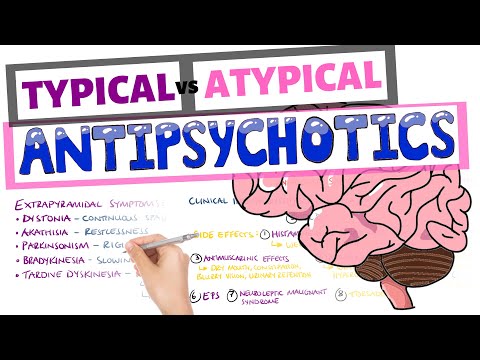
So, let’s chat about antipsychotics. You know, those medications that often get tossed around when we’re talking about serious mental health stuff?
They can sound pretty intimidating. But seriously, they have a big role in helping people manage their lives.
Think about it—sometimes our brains just don’t want to play nice. It’s like being stuck on a rollercoaster that won’t stop.
Antipsychotics can help you get back in control, helping to ease those wild highs and lows. So let’s break it down and figure out what these meds are all about, shall we?
Understanding Antipsychotics: Their Role and Impact in Mental Health Treatment
Antipsychotics, huh? These medications play a pretty crucial role in treating mental health disorders, especially psychotic ones like schizophrenia or bipolar disorder. So, let’s break it down a bit.
First off, what are antipsychotics? They’re a class of drugs meant to treat symptoms like hallucinations, delusions, and disorganized thinking. Basically, they help balance the chemicals in your brain that affect mood and perception.
You might be wondering, “How do they actually work?” Well, most antipsychotics target a neurotransmitter called dopamine. You see, dopamine is linked to feelings of pleasure and reward but also gets messy when there’s an imbalance. That’s where these meds step in to help stabilize those highs and lows.
There are two main types of antipsychotics: **typical** and **atypical**. Typical antipsychotics have been around for quite some time and include drugs like haloperidol and chlorpromazine. They tend to have more side effects because they really block dopamine receptors hard.
On the other hand, atypical antipsychotics are newer kids on the block—think olanzapine or risperidone. They not only tackle dopamine but also mess with other brain chemicals like serotonin. This means they can be a bit gentler on your system.
Now let’s chat about side effects because we can’t ignore them! Seriously. Everyone reacts differently to meds—it’s kind of like how some folks love pineapple on pizza while others think it’s totally gross. Common side effects can include:
- Weight gain
- Drowsiness
- Dry mouth
- Dizziness
- Tremors or restlessness
So imagine you’re taking an atypical antipsychotic and suddenly you notice your clothes feeling snug—yeah, weight gain can happen! It might feel frustrating, but health professionals often help manage these things through lifestyle changes or adjusting the dosage.
Oh! And here’s something important: the journey to find the right medication can take time. It’s not uncommon for people to try several different options before finding one that clicks for them. Sometimes it’s trial-and-error with dosages too.
Also worth mentioning—antipsychotics aren’t just about throwing pills at a problem; they’re often used as part of a bigger treatment plan that includes therapy and lifestyle changes too. Because let’s face it: mental health isn’t just about what’s happening chemically; it’s also deeply emotional and personal.
Talk therapy can help you process what you’re going through while medications work in the background making sure those heavier symptoms don’t take over your life so much.
In summary: antipsychotics play an essential role in managing specific mental health conditions by stabilizing chemical imbalances in the brain but do come with potential side effects that need attention. Remember to keep those conversations open with your healthcare providers; they’re there to help you navigate this path together!
Understanding Typical Antipsychotics: Common Examples and Their Uses
Antipsychotics can be a bit of a maze, honestly. These medications are used mainly to help manage symptoms of conditions like schizophrenia and bipolar disorder. So, what’s the deal with typical antipsychotics? Let’s break it down, step by step.
What Are Typical Antipsychotics?
Typical antipsychotics, also known as first-generation antipsychotics, have been around since the 1950s. They work primarily by blocking dopamine receptors—dopamine being a neurotransmitter that plays a big role in mood and behavior. The thing is, too much dopamine can lead to symptoms like hallucinations or delusions.
Here are some common examples:
- Haloperidol: Often used to treat severe agitation and psychotic disorders.
- Chlorpromazine: One of the first antipsychotics ever created; it can help with schizophrenia and severe anxiety.
- Fluphenazine: Typically prescribed for long-term treatment of schizophrenia; comes in long-acting injections.
- Loxapine: Used both for acute episodes and as a maintenance therapy in schizophrenia.
When Are They Used?
Doctors might prescribe typical antipsychotics for several reasons. If someone is experiencing acute psychosis or uncontrolled agitation, medications like haloperidol can really help calm things down quickly. But they’re also used longer-term to stabilize mood and prevent relapses.
Think about someone you know who might have struggled with their mental health. Maybe they went through intense phases where reality felt skewed—hallucinations or paranoia probably made life pretty complicated for them. That’s where these meds come into play.
Side Effects to Consider
Now, here’s where it gets tricky. While these medications can be lifesavers, they also come with side effects that aren’t always fun to deal with.
- Dystonia: This is where muscles contract involuntarily—it can be uncomfortable.
- Tardive dyskinesia: Long-term use can lead to repetitive movements that are hard to control.
- Sedation: Because they work on the brain’s pathways, you might feel drowsy initially.
- Weight gain: Some people might notice changes in weight when taking these meds.
You see? It’s all about weighing the pros and cons. Sometimes the side effects can feel like a lot! A friend of mine had to try several different meds before finding one that didn’t make her feel like a zombie while still managing her symptoms.
A Final Word on Usefulness
While typical antipsychotics aren’t for everyone, they’ve made significant differences in people’s lives by helping them regain stability and function better socially or at work. It’s all about finding what fits best for your unique situation.
In short, if you or someone you care about is navigating this path of treatment, remember: open communication with healthcare providers is key! Understanding how these medications work adds another piece to the puzzle when it comes to mental health management.
Exploring the Three Generations of Antipsychotics: A Comprehensive Guide
Alright, let’s chat about antipsychotics. So, these medications are usually prescribed for conditions like schizophrenia or bipolar disorder. They work by changing the way your brain handles certain chemicals, you know? There’s a lot to unpack here, especially when it comes to the three generations of antipsychotics.
First Generation Antipsychotics (FGAs) were the originals. Think of them as the “old-school” meds—like your parents’ favorite music! They popped up in the 1950s and targeted symptoms like hallucinations and delusions. But here’s the kicker: they often came with some nasty side effects, like tremors or stiffness. You might’ve heard of drugs like Haldol or Thorazine. They can be effective but might feel tough on your body.
Now, Second Generation Antipsychotics (SGAs), which hit the scene in the 1990s, were seen as a game changer. These meds aimed for similar results but with a different approach and usually fewer side effects. They work on a broader range of neurotransmitters. Medications like Seroquel and Zyprexa are good examples here. People often find them easier to tolerate, but they still have their own baggage—weight gain and diabetes risk are common with some SGAs.
Then we have the Third Generation Antipsychotics. These are pretty recent additions to our medicine cabinets! While they’re still closely related to SGAs, they tend to be more selective about how they work in your brain. A standout example is Abilify. It’s marketed for things like irritability in autism or even depression adjunctively! This generation aims for improved function while keeping side effects manageable.
So why does all this matter? Well, understanding these generations helps you have better discussions with your healthcare provider about what works for you. Every person reacts differently to these meds; it’s kind of a trial-and-error situation sometimes.
Just keep in mind that while antipsychotics can be super helpful for many folks out there, they aren’t a one-size-fits-all solution. The important part is working closely with someone who gets it—a doctor or therapist who can help tailor your treatment plan.
In short:
- FGAs: Older meds, effective but often have tough side effects.
- SGAs: More modern alternatives aiming for better tolerance.
- Third Gen: The newest approach focusing on specific brain chemistry needs.
And remember that mental health is complex! Medication is just one piece of that puzzle—therapy and lifestyle changes play huge roles too!
You know, when we talk about antipsychotics, it can feel like stepping into a pretty complicated world. These medications play a huge role in managing conditions like schizophrenia or bipolar disorder, and they can really help people connect with reality better. So, let’s break it down in a chill way.
I remember chatting with my friend Sarah a while back. She had been struggling with some intense hallucinations and was isolated from her friends and family because of it. Like, she felt totally cut off from reality, which is just heartbreaking to see. When she started taking an antipsychotic, it was like she got her life back. Sure, there were some ups and downs along the way—like adjusting doses or dealing with side effects—but seeing her gradually become more engaged in life was like watching flowers bloom after a long winter.
So, how do these meds actually work? Well, they mostly target neurotransmitters in your brain—things like dopamine and serotonin that help regulate mood and perception. In simple terms, they sort of balance things out so that you can feel more grounded. But here’s the thing: they’re not one-size-fits-all. What works for one person might not work for another.
It’s also important to acknowledge that these medications can come with their own bag of issues—weight gain or drowsiness can be common side effects that people have to manage alongside their mental health journey. It’s kind of a balancing act between finding what helps you feel stable while also keeping an eye on those pesky side effects.
And when you’re looking at treatment options, it’s crucial to have open conversations with healthcare providers about what feels right for you. Because at the end of the day, mental health isn’t just about taking pills; it’s about working through your emotions and experiences in a way that’s sustainable and meaningful.
Antipsychotics are just one piece of the puzzle; therapy and support systems play major roles too! Just think about Sarah again: therapy helped her process everything going on inside her head while the medication eased those overwhelming feelings enough for her to actually engage in the sessions.
So yeah, if you or someone you know is navigating this space, remember it’s okay to ask questions and explore all aspects of treatment! There’s light out there even when things seem dark.