You know how some people just seem to connect with others effortlessly? And then there are those who struggle a bit more, right? That’s all about something called attachment styles.
Basically, it’s like the blueprint we get from our early relationships, especially with caregivers. It shapes how we bond with friends, family, and partners later on.
So, what are these attachment styles anyway? Well, grab a snack and let’s chat about the most common ones. It might give you some insight into your own relationships—or maybe even those awkward moments we all have!
Discovering the Most Common Attachment Style: Insights into Human Connection
Understanding attachment styles can really shed light on why we connect with others the way we do. So, let’s break it down a bit.
Attachment theory, developed by John Bowlby and later expanded by Mary Ainsworth, suggests that our early relationships—especially with caregivers—shape how we relate to others throughout our lives. It’s like learning to ride a bike; if you have a sturdy bike and a supportive hand guiding you, you’re more likely to navigate the world confidently.
Now, there are four main attachment styles. But honestly? The most common one tends to be **secure attachment**. So here’s what that looks like:
- Secure Attachment: People with this style feel comfortable with intimacy and independence. They trust others and aren’t afraid of closeness or solitude.
Imagine someone who can communicate their feelings openly but also gives their partner space when needed. It’s kind of like having a solid foundation in a house—you know it’ll support whatever life throws at you.
Then there are other styles that come up more often than you’d think:
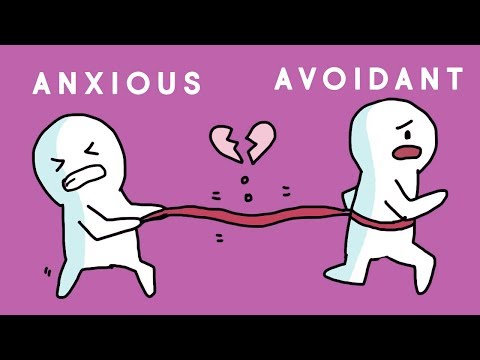
- Anxious Attachment: These folks often worry about their relationships, fearing abandonment or unreciprocated affection. They might come off as clingy because they need constant reassurance.
- Avoidant Attachment: These individuals usually avoid closeness and may feel uncomfortable with emotional intimacy. They value independence heavily but can struggle when it comes to showing vulnerability.
- Disorganized Attachment: This style can be a mix of anxious and avoidant behaviors, often stemming from chaotic childhood environments. It makes for some confusing relationship patterns.
Take Sarah, for example. She grew up in a household where her parents were loving but also volatile; she developed a disorganized attachment style. In her adult relationships, she might oscillate between pushing people away and desperately needing them close—totally exhausting for everyone involved.
But here’s the silver lining: recognizing your own attachment style can help you make sense of your relationships! Like, maybe you notice you’re always drawn to partners who seem emotionally distant—well, understanding this pattern allows you to work on it.
So yeah, whether you’re secure or grappling with anxious tendencies, knowing these styles gives you tools to connect better with people around you—and honestly? That’s what it’s all about: building deeper and healthier connections in life!
Exploring the Link Between Attachment Styles and Mental Illness: What You Need to Know
There’s a lot to unpack when we start talking about attachment styles and how they tie into mental health issues. Basically, attachment styles are patterns of how we relate to others, and they usually develop in childhood. These styles can really shape our emotional experiences as adults. Let’s break this down a bit.
Secure attachment is kind of the gold standard. When you have this style, you feel comfortable with intimacy and have good self-esteem. You know that it’s okay to rely on others, and you don’t freak out when someone gets close. It’s like being cozy at home—you feel safe and accepted. People with secure attachment typically experience lower rates of anxiety, depression, and other mental health challenges because their relationships provide a solid support system.
Then there’s anxious attachment. Folks with this style often worry about their relationships. They might feel clingy or fear abandonment because they’re uncertain if others will be there for them. Imagine calling a friend over and over again because you’re scared they won’t pick up; that’s a glimpse into the anxious mind! This can lead to higher anxiety levels overall, even outside relationships, making it hard to trust yourself or others.
Next up is avoidant attachment. This style involves distancing oneself from others emotionally. A person might think, “I don’t need anyone,” but deep down they might just be terrified of getting hurt. They often struggle with intimacy and can come off as aloof or indifferent in relationships, which might lead to feelings of loneliness—though they’d never admit it! This avoidance can contribute to issues like depression or substance use as coping mechanisms.
Also worth noting is the disorganized attachment style. It’s like mixing anxious and avoidant styles within the same person—you crave closeness but also fear it intensely. This can be really confusing for both the individual and those around them, leading to chaotic relationships filled with conflict or withdrawal. People often navigating life this way may face significant mental health hurdles like PTSD or personality disorders due to early trauma.
Ultimately, these attachment styles stem from relationships we had during childhood—usually with caregivers—and how they treated our needs for love and safety. Because early experiences shape our frameworks for future relationships so strongly, unaddressed patterns can become like old habits hard to break.
Recognizing your own attachment style is super important—it helps you understand why you react in certain ways emotionally or socially now as an adult. And look, while these styles are a huge piece of the puzzle regarding mental health issues, they’re not everything: lots of personal factors play into each person’s story.
So if you find yourself struggling with any emotional challenges tied back to your relationships—whether it’s feeling too needy or shutting people out—knowing your attachment style could definitely help clarify what you’re dealing with and guide your path forward towards healthier connections!
Understanding the 4 Attachment Styles in Psychology: A Guide to Relationships and Emotional Well-being
Understanding attachment styles can feel like cracking a code to better relationships and emotional health. Basically, your attachment style shapes how you connect with others, and learning more about it can clear up a lot of confusion in your life. Let’s dive into those four main attachment styles and see what they’re all about.
Secure Attachment is the gold standard here. People with this style are generally comfortable with intimacy and independence. They trust others easily and feel good about themselves. Imagine someone who has healthy relationships, communicates openly, and doesn’t freak out over little arguments—that’s a secure attachment in action!
Then there’s Avoidant Attachment. If someone has this style, they often keep their distance in relationships—think of a friend who always seems to pull away when things get serious. They value independence so much that they might avoid emotional closeness altogether. For them, relying on other people feels super uncomfortable.
Next up is Anxious Attachment. This is when folks feel really nervous about their relationships. They tend to crave closeness but worry constantly that their partner will leave them or stop caring. You know that friend who sends thirty texts if you don’t respond in five minutes? Yep, that might be anxious attachment showing up! Their emotions can swing wildly based on how they perceive their partner’s actions.
Finally, we have the Disorganized Attachment style, which is kind of a mix of both anxious and avoidant traits. People with this style may have had inconsistent caregivers growing up, leading to confusion in their adult relationships. It’s not uncommon for them to feel an intense longing for connection while also being terrified of it at the same time—like wanting to hug someone but also feeling like you might get pushed away.
Here’s why this matters: Understanding your own attachment style can seriously change how you navigate relationships. You start recognizing patterns—you know? Maybe you realize why you pull away when things get too serious or why small issues make you panic.
And it doesn’t just help with romantic partners; it influences friendships and family dynamics too! So next time something feels off in your relationship—try thinking about what might be driving those feelings based on your (or their) attachment style.
So there it is! Knowing these four attachments—secure, avoidant, anxious, and disorganized—can really illuminate how we connect with each other! It doesn’t fix everything overnight but helps us take steps toward healthier interactions which ultimately leads to greater emotional well-being over time.
Okay, so let’s chat about attachment styles. They’re a pretty big deal in understanding how we connect with others, you know? Like, think back to your childhood and the relationships you had with your caregivers. Those early bonds kinda set the tone for how you approach relationships later in life.
There are basically four main attachment styles: secure, anxious, avoidant, and disorganized. If you’re secure, that means you’ve probably got a pretty solid grasp on how to connect with people and handle emotions. You feel comfortable relying on others and letting them rely on you too. But then there’s the anxious type—those folks often worry about their partner’s feelings or if they’re gonna be abandoned. It’s like an emotional rollercoaster sometimes.
I remember my friend Sarah, who had an anxious attachment style. She’d get really worried whenever her boyfriend didn’t text back right away. I mean, it was tough to watch because I could see how it ate her up inside even though he was just busy with work. It wasn’t that he didn’t care; it was just a mismatch in communication styles.
Then we have avoidant types who tend to keep people at arm’s length emotionally. It’s like they’re scared of getting too close or relying on someone else. You can see how this leads to confusion in relationships when one person is all about closeness while the other is trying not to let anyone in.
And disorganized? Well, that’s a tricky one because it’s a mix of anxiety and avoidance. People with this style might jump between wanting intimacy and pulling away when things get intense.
Understanding these styles can really help improve your relationships. Once you know what triggers certain behaviors or fears in yourself or your partner, it gets easier to communicate and find some common ground. So next time you’re feeling off in a relationship, think about those attachment styles—maybe they’re playing a part!