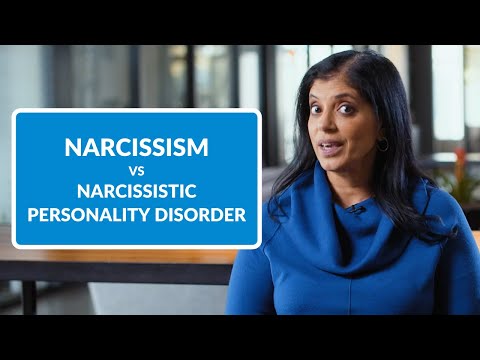
You know that person who just seems to think the world revolves around them? Yeah, we all know someone like that.
Narcissism is a tricky thing. It can show up in big ways or creep in quietly. Sometimes, it’s just annoying, but other times, it really messes with relationships.
Let’s chat about some common traits. You might be surprised to see how they fit into everyday life. Seriously, these traits can pop up in the most unexpected places!
So grab a drink and let’s unpack this together. I promise you’ll find it interesting!
Understanding the 9 Essential Criteria for Narcissistic Personality Disorder
Understanding Narcissistic Personality Disorder (NPD) can be a bit tricky, you know? But let’s break it down and look at the nine essential criteria that help define it.
Narcissistic Personality Disorder is more than just someone being self-centered. It’s a complex mental health condition that affects how someone thinks and feels about themselves and others. It’s like having a warped mirror—they see an exaggerated version of themselves but struggle to genuinely connect with others.
So, according to the Diagnostic and Statistical Manual of Mental Disorders (DSM-5), here are the nine criteria:
- Grandiosity: This means a person often has an inflated sense of self-importance. For example, they might claim they’re better than everyone else at their job, even if there’s no proof.
- Need for Admiration: People with NPD crave constant praise and recognition. Think of that friend who always needs compliments or validation after doing something—like posting on social media just for likes.
- Lack of Empathy: They struggle to recognize or care about other people’s feelings. Imagine being in a tough spot and your friend only talks about their problems—no support for you at all.
- Sensitivity to Criticism: They react extremely poorly to feedback or criticism, often perceiving it as a personal attack. You might say something minor like, “I didn’t love that outfit,” and they flip out as if you declared war.
- Exaggerated Achievements: They often overstate their accomplishments or talents. Picture someone who claims they “single-handedly saved” their company from going under when several people were involved.
- Sense of Entitlement: People with NPD expect special treatment and believe they deserve it, regardless of circumstances. Think about someone who believes they should always get the best table at a restaurant without reservations.
- Interpersonal Exploitativeness: They take advantage of others to meet their own needs. Like when someone borrows money from friends but never pays them back because they feel entitled to use others’ resources.
- Envy: They often feel envy towards others or believe others are envious of them. Ever met someone who can’t stand seeing friends succeed? That’s where this plays in.
- Arousal of Arrogant Behaviors: This includes displaying haughty behaviors or attitudes—like acting superior in conversations or looking down on those perceived as less successful.
These traits don’t mean every narcissistic person will show all these signs all the time, but if you notice several together in someone’s personality, it’s worth considering.
Now let’s talk real life for a second; this might sound familiar: Imagine you’re hanging out with someone who’s always making everything about them—whether it’s telling stories that seem way too grand or dismissing your feelings entirely because they’re too busy basking in their spotlight. It can be draining.
Recognizing these patterns is essential—not just for understanding narcissism itself but also for figuring out how to set boundaries if you’re dealing with someone like this in your life. Awareness is key!
Understanding the Link Between Narcissism and Common Mental Health Issues
Narcissism, it’s one of those terms that gets thrown around a lot, right? You might hear someone say, “Oh, he’s such a narcissist!” But what does that really mean? Well, to put it simply, narcissism refers to an inflated sense of self-importance and a deep need for admiration. It’s more than just being a little vain; it can actually impact relationships and mental health.
So what are the common traits of narcissism? You usually see things like:
- Exaggerated sense of self-importance: Narcissistic individuals often believe they’re superior to everyone else. Like, they think their achievements or talents are unmatched.
- Lack of empathy: They struggle to understand and share the feelings of others. Imagine talking about your bad day while they just zone out because it doesn’t involve them.
- Need for admiration: Constant compliments or attention from others fuel their self-esteem. If they’re not getting that validation, they can become really upset.
- Sensitivity to criticism: Even the slightest feedback can send them into a defensive tailspin. Like, you could say “not bad,” and suddenly you’ve sparked a full-on meltdown.
Now here’s where it gets interesting: there’s a significant link between narcissism and various mental health issues. For instance, people who exhibit strong narcissistic traits can be at higher risk for conditions like anxiety and depression. Think about it—if your self-worth hinges on external validation and you don’t get it? That can lead to some serious emotional turmoil.
A friend of mine once dated someone who was pretty narcissistic. Initially, everything felt exciting—the charm was undeniable! But soon enough, she found herself feeling anxious all the time. His constant need for praise made her feel like she had to walk on eggshells just to keep him happy. The friendships around her started fading too because her world became all about maintaining his ego.
Another aspect is that people with narcissistic tendencies may struggle with **interpersonal relationships**. Since they lack empathy and often dismiss others’ concerns, this can lead to conflicts and loneliness over time. It creates a cycle where their behavior drives away friends or family members who initially tried to support them.
And let’s not forget about **co-occurring disorders**! Those who display strong narcissistic traits might also face issues such as substance abuse or borderline personality disorder (BPD). It seems like when someone has those inflated views of themselves but can’t cope well with emotions (like BPD), things get messy pretty fast.
In short, understanding this link between narcissism and mental health issues is crucial. If you notice these traits in yourself or someone you care about, recognizing them is the first step towards something healthier—whether that be through therapy or personal growth work.
So yeah! Narcissism goes beyond just being self-absorbed; it’s tied up with deeper emotional struggles too. And the more we talk about it honestly—with all its complexities—the better equipped we become in navigating our own mental health journeys!
Unmasking Narcissism: 12 Key Traits to Identify a Narcissist
Narcissism is one of those words you hear tossed around a lot, but let’s get real: it means way more than just being self-absorbed. When you’re talking about narcissistic personality disorder (NPD), it’s like peeling back layers of an onion. There are some distinct traits that can help you identify someone who might be, you know, leaning towards that narcissistic side.
- Grandiosity: If someone constantly talks about their achievements or wants to be recognized as superior without much evidence, that’s a big red flag. It’s like they see themselves as the lead actor in a movie where everyone else is just an extra.
- Lack of Empathy: Narcissists often struggle to recognize or care about the feelings of others. If your friend only seems interested in their own troubles and hardly asks about yours, brace yourself.
- Excessive Need for Admiration: You know those folks who can’t go five minutes without fishing for compliments? Yeah, that’s classic narcissism. It’s like they’re on a non-stop quest for validation from everyone around them.
- Arrogant Behavior: Ever met someone who thinks they’re better than everyone else? They can come off really haughty and dismissive of others’ opinions or feelings. It’s exhausting to deal with.
- Sensitivity to Criticism: Ironically, while they seem full of themselves, many narcissists react poorly when they face any criticism. You might notice them lashing out or getting defensive if you dare to point out a flaw.
- Exploitation of Others: Often, they’ll use people to get what they want without much thought about how it affects the other person. It’s all about the end goal for them.
- Envy: A narcissist may often express jealousy toward others’ successes or believe that others are envious of them. It’s like they’re stuck in this weird competition where no one else can win.
- Lack of Accountability: They rarely take responsibility for their actions and tend to blame others for their problems. It’s like playing a never-ending game of hot potato, but with their mistakes.
- Superficial Relationships: Relationships tend to be shallow because there’s no emotional investment; it’s all about what others can do for them instead of genuine connection.
- Sense of Entitlement: Ever met someone who thinks rules don’t apply to them? Yup, that’s entitlement right there! They might expect special treatment and feel angry when it’s not given.
- Dramatic Responses: Sudden emotional outbursts or overly dramatic reactions are common when things don’t go as planned for these individuals. They’re like walking soap operas!
- Poor Self-Regulation: While they put up this confident front, many struggle with managing their emotions effectively—think temper tantrums and mood swings.
Understanding these traits gives you a better idea if someone’s exhibiting narcissistic behaviors. Just remember: spotting them isn’t a one-size-fits-all kind of deal; people might show some traits without being full-blown narcissists.
A friend once shared her experience with someone she thought was charming at first—a total social butterfly who seemed so engaging until she realized he never asked her anything about herself during conversations! She always felt drained after hanging out with him because he’d turn every chat into his personal highlight reel.
It’s important not to jump the gun—labeling someone as a narcissist isn’t always easy and requires some nuance; still, knowing these signs can help you protect your own well-being if you’re dealing with tricky people in your life!
So, let’s talk about narcissism for a sec, okay? It’s one of those buzzwords we hear tossed around a lot—often in the context of social media or that one friend who just can’t stop talking about themselves. But there’s a more serious side to it too, especially when you dig into psychology and mental health.
I remember this time I was catching up with an old friend. She was sharing some stories about her new boss, who seemed charming at first but then kept taking credit for everyone else’s work. Seriously! It got under her skin. That kind of behavior? Classic traits of narcissism right there.
So, what does that all mean? Well, one major characteristic is this inflated sense of self-importance. It’s like they have this inner narrative where they’re the star of the show, and everyone else is just part of the supporting cast. They truly believe their needs are more significant than anyone else’s. And it can be exhausting to deal with, you know?
Then there’s the lack of empathy—like they might understand what someone else is feeling but have no real desire to care or support them through it. This can lead to relationships that feel really one-sided and superficial. You know how sometimes you pour your heart out to someone and instead of understanding where you’re coming from, they just shift the conversation back to themselves? Yep, that’s another trait.
And let’s not forget manipulation and grandiosity! Some people with these tendencies might stretch the truth or exaggerate their accomplishments just to impress others or get what they want. It can make friendships feel kind of shaky—like you’re constantly walking on eggshells.
It’s pretty wild how these traits don’t always come across as negative right away. Sometimes they’re masked by charm or confidence—even charisma! But underneath all those layers? There could be some serious emotional challenges at play.
In short, when we see these traits manifesting—whether in ourselves or others—it can really impact relationships and mental well-being. While not everyone who’s confident has narcissistic tendencies, it pays to stay aware of those red flags in ourselves and in our circle.
I guess what I’m saying is: let’s be mindful about how we treat each other and recognize when behaviors start straying into unhealthy territory. It’s a journey for many people who’s trying to find balance between self-importance and genuine connection with others!