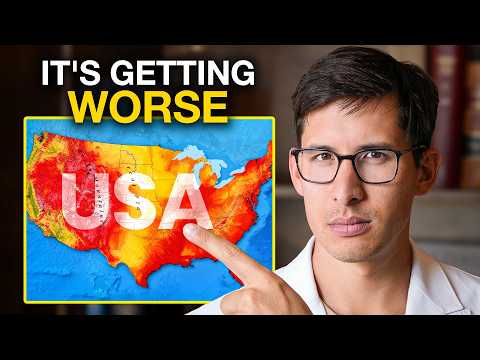
You know, it’s kind of wild how mental health can vary from state to state. Some places just seem to carry a heavier weight, right? Like, you might be chilling in one part of the country, feeling fine, and then in another area, people are struggling more.
So, what gives? Is it the weather? The lifestyle? Or maybe something else entirely? It really makes you think about how our environment shapes our minds.
In this chat, we’re gonna dig into some of the most depressed states—what’s going on there and why folks might be feeling down. Stick around; I promise it’ll be an eye-opener!
Exploring U.S. States with the Highest Depression Rates: Key Insights and Trends
So, let’s talk about depression rates across the U.S. It’s a heavy topic for sure, but understanding it can really shed light on why some states seem to struggle more than others.
First off, it’s important to know that depression doesn’t discriminate. It can hit anyone, anywhere. However, certain states have higher reported rates of depression. According to recent data, places like West Virginia, Arkansas, and Kentucky often top the list for high depression rates. Like, seriously, in West Virginia alone, studies show that about 30% of residents reported feeling depressed at some point.
What contributes to these high numbers? There are a bunch of factors at play here:
- Economic Stress: Many of the states with high depression rates also have lower median incomes and higher poverty rates. When you’re struggling to make ends meet, it can seriously weigh on your mental health.
- Lack of Access to Care: Some areas don’t have enough mental health resources like therapists or clinics. If you can’t get help when you need it—well, that’s a big problem.
- Cultural Stigmas: In some regions, there’s still a stigma around talking about mental health issues or seeking help. This makes it even harder for people to get support.
How does this affect everyday life? Well, take someone living in West Virginia who might feel trapped in a cycle of financial stress and isolation. They might not feel comfortable reaching out for help because they worry about what others will think. That just deepens their feelings of sadness and loneliness.
Interestingly enough, there’s this trend where younger folks seem more open about discussing their mental health compared to older generations. They’re using social media and other platforms to share experiences and advocate for mental wellness—which is super encouraging.
The weather also plays a role! Yep! States with long winters or less sunshine—think Alaska or Michigan—often see spikes in seasonal affective disorder (SAD), a form of depression tied to changes in seasons and light exposure.
Now let’s chat about real-world examples—like how rural areas often report higher levels of depression compared to urban settings. Reasons could include social isolation and fewer opportunities for recreation or engagement with community activities.
While it sounds bleak at times—and hey, it really is—it’s worth noting there are efforts being made everywhere from state legislation aimed at improving mental health services to community programs focused on bringing people together.
Look, if you or someone you know is feeling down—and the truth is we all do sometimes—it’s crucial to reach out for support. Whether it’s through friends or professionals doesn’t matter as much as just taking that first step towards getting help.
When we better understand where these high rates come from—and why they exist—we can start working together as communities to break down barriers and improve mental health outcomes everywhere!
You know, mental health is such a tricky thing to talk about, especially when you look at it state by state. Like, it’s kind of wild how some places seem to struggle more than others. So, let’s chat about the trends in the most depressed states. You’ll find a lot of layers here—like an onion but less smelly.
Take West Virginia, for example. It often pops up at the top of the lists for depression rates. People there face tough economic circumstances, especially with job losses in industries like coal mining. I once met a woman from there who described her hometown like a ghost town. Small shops closing one by one and friends moving away because they couldn’t find work. It’s heartbreaking, right? When communities crumble under pressure, it creates this heavy weight on everyone’s shoulders.
Then there’s Mississippi—great hospitality but struggling with poverty and lack of access to healthcare. The statistics around mental health are staggering! Many folks simply don’t have easy ways to get help or even know where to start searching for it. I remember chatting with someone from there who mentioned how therapy felt like a luxury rather than a necessity. It really hit home how different our experiences can be based on where we live.
And hey, let’s not forget about the stigma that still hangs over these areas like a dark cloud! In many small towns, admitting you’re struggling can feel like admitting defeat. You might fear judgment from neighbors or friends who see mental illness as a weakness rather than something that just happens—a part of being human.
So yeah, when looking at the most depressed states, it’s clear that economic issues and social stigmas are huge players in this whole game—making it harder for people to seek help when they need it most. It’s all so complex and sad because we’re talking about real lives here—people trying to navigate their way through these challenges day by day.
We need more awareness and resources in these areas—like seriously! Everyone deserves access to support without feeling ashamed or judged. Just imagine if communities rallied together more often? That could lead to some powerful change!
In the end, we can learn so much by listening to people’s stories while also pushing for better systems in these struggling states so folks can find relief without extra burdens weighing them down.