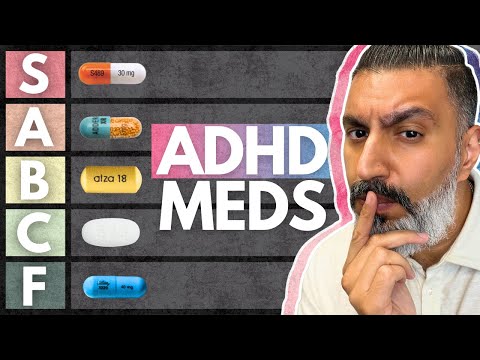
Hey, you! Let’s talk about ADHD in adults.
You might think it’s just a kid thing, but trust me, it’s super real for many grown-ups too. Seriously, it can throw a wrench in your daily life—like at work or even just focusing on that Netflix show.
And guess what? Medications can really help. It’s not a magic fix but more like a tool to manage things better.
So let’s dive into this whole ADHD meds thing together. You ready?
Top ADHD Medications for Adults: Alleviating Anxiety and Depression
So, let’s talk about ADHD medications for adults. You know, it’s not just about focusing better; a lot of folks with ADHD deal with anxiety and depression too. It’s like a tricky trio sometimes. But believe me, there are meds out there that can help.
First off, stimulants are often the go-to for treating ADHD. They work by increasing levels of certain neurotransmitters in the brain, like dopamine and norepinephrine. These guys help boost focus and attention. Some common ones include:
Both of these have been shown to make a real difference not just in attention but also in reducing anxiety symptoms for some people. It’s like a double whammy!
Now, if stimulants aren’t your thing or they cause too much anxiety—which can happen—then there are non-stimulant medications. These can be pretty helpful too.
One option is atomoxetine (Strattera). It works differently from stimulants and is sometimes easier on the anxiety side of things. Some folks find it helps with their ADHD without cranking up their anxiety levels.
Then there’s guanfacine (Intuniv) and clonidine (Kapvay). They were originally meant for high blood pressure but can help with ADHD symptoms too. People taking these might find that they’re calmer overall, which might help with that sneaky anxiety creeping in.
On top of these meds, it’s crucial to remember that therapy plays a big role as well. Cognitive Behavioral Therapy (CBT) can be super effective for managing both ADHD and co-occurring anxiety or depression. It helps you change negative thought patterns and develop coping strategies—kind of like building your own mental toolbox.
But here’s the thing: everyone’s different! What works for one person may not vibe well with another. So when figuring out what medication to try, it’s all about working closely with your healthcare provider.
Anyway, the road to feeling better isn’t always easy or straightforward. You might need to try different approaches before you find what really clicks for you! Medications can definitely help alleviate those tough feelings related to ADHD while also addressing anxiety or depression—but don’t forget about therapy as part of the mix!
Exploring Effective Mental Health Treatments for ADHD: A Comprehensive Guide
Well, let’s talk about ADHD, shall we? It’s one of those conditions that can make life feel like a rollercoaster. Seriously, if you or someone you know has ADHD, you’ve probably seen the ups and downs firsthand. There’s a lot to explore when it comes to treatments that can really help, so here we go.
First up, **medications**. These can be super effective for many folks with ADHD. Most people hear «meds» and think of stimulants first. You know, stuff like **Adderall** or **Ritalin**? They work by increasing certain chemicals in the brain that help with focus and attention. But hey, they’re not for everyone! Some folks might experience side effects like anxiety or sleep problems.
Then there are **non-stimulant medications**, which can also do the trick if stimulants aren’t your jam. Meds like **Strattera** work differently and tend to be gentler on the system. They don’t come with the same kind of high-energy boost but can still help improve focus over time.
Now, medication isn’t everything—there’s more to consider! Therapy often plays a crucial role in managing ADHD.
Cognitive Behavioral Therapy (CBT) is one popular option. It helps you change negative thought patterns and develop coping strategies. Imagine sitting down with someone who gets it and working through those frustrating moments together—it can really change things up for the better!
Another approach is **coaching** specifically tailored for ADHD. This is like having a buddy who’s there just to support you in organizing thoughts or tackling tasks step by step.
And let’s not forget about lifestyle changes! These little tweaks can add up big time:
- Regular exercise — Seriously, getting your body movin’ helps with focus and overall mood.
- Healthy diet — Eating well makes a difference! Protein-rich breakfasts can set the tone for your day.
- Sleep hygiene — Getting enough Z’s is crucial for anyone but especially those with ADHD.
- Meditation or mindfulness — Just taking a few moments to breathe deeply can ground you when things feel chaotic.
So yeah, managing ADHD often requires a mix of all these approaches—medication, therapy, coaching—and some good old-fashioned self-care.
But let’s keep it real: Everyone’s journey is different! What works wonders for one person might not even scratch the surface for another. It’s about finding that unique combo that clicks for you.
You’re not alone in this! Whether you’re navigating these challenges yourself or supporting someone else through it all, remember that effective treatment is available—and it’s okay to ask for help along the way!
Top ADHD Medications for Adults: Discover the Most Effective Options for Managing Symptoms
Managing ADHD as an adult can feel like juggling flaming torches while riding a unicycle. Seriously, it’s no walk in the park! But hey, medications can really help take the edge off those pesky symptoms. Let’s break down some of the most effective options out there.
First off, **stimulants** are usually the go-to medication for adults with ADHD. They work by boosting certain chemicals in your brain that help with focus and impulse control. Common examples include:
- Adderall: This one’s a mix of amphetamine salts. Lots of people find it helpful for staying on task.
- Ritalin: Another classic that contains methylphenidate. It’s quick to act and often used for its short duration.
- Vyvanse: A newer option that converts into an active form in your body, which can help with smooth symptom management throughout the day.
But here’s the thing—stimulants aren’t for everyone. Some folks deal with side effects like anxiety or insomnia, which is just a bummer! That’s where **non-stimulant medications** come into play.
- Strattera: This one’s different; it works on norepinephrine rather than dopamine. It might take longer to kick in but can be a good alternative if stimulants don’t suit you.
- Intuniv: Originally intended for high blood pressure, it helps with impulse control and hyperactivity, making it another option to consider.
This choice isn’t just about what works best—it also depends on how you feel about potential side effects and whether you’re already dealing with other health issues. Like my friend Jenna: she tried Adderall but felt super jittery all day long, so her doc switched her to Strattera, which helped her focus without feeling all revved up.
Now, medication isn’t everything! It’ll likely work best when paired with therapy or behavior strategies. Talking things out might give you tools to manage daily life better. Sometimes it helps just to have someone listen while you figure stuff out.
The bottom line is this: If you’re struggling with ADHD symptoms as an adult, don’t hesitate to explore your options with a healthcare professional who gets it. They can definitely guide you through what might work best for your unique situation and lifestyle. Remember, ADHD is just part of who you are—not all of it!
So, let’s chat about ADHD medications for adults, shall we? Attention-Deficit/Hyperactivity Disorder, or ADHD for short, affects a lot of folks out there. You might have heard people talk about it mostly in the context of kids. But honestly, it doesn’t just vanish when you hit adulthood. It can stick around and affect your daily life, career choices, and relationships.
I was talking to a friend recently who shared her journey with ADHD. She’d always felt like she was on a different wavelength than everyone else. Like she’d walk into a room full of people and feel totally scattered while everyone else seemed so focused. What struck me was when she finally started medication—she described it as turning down the volume on all that chaos in her head. Suddenly, tasks felt more manageable and less daunting.
Now, when we think about medications for ADHD, we’re usually looking at stimulants like Adderall or Ritalin. These are kinda the heavy hitters—they work by increasing certain neurotransmitters in the brain to help improve focus and concentration. But that doesn’t mean they’re right for everyone! I mean, some people don’t vibe well with stimulants for various reasons—maybe they experience anxiety or insomnia from them.
There are also non-stimulant options like Strattera which can be a lifesaver for those who need something gentler or can’t use stimulants at all. It’s interesting how these medications can help normalize life for many adults; allowing them to grasp opportunities they once thought were beyond reach.
But it’s not just about popping a pill and suddenly being okay, right? Medication often goes hand-in-hand with therapy or coaching that helps develop practical skills. This combo can be super effective because while meds might help you focus better on tasks, talking things out with someone can ease the emotional weight that comes with ADHD challenges.
Honestly though? Finding the right medication is often a journey in itself—a process of trial and error where you have to communicate openly with your doctor about what’s working (or not). It’s crucial to pay attention to how you feel during this time; sometimes side effects pop up that could be worse than what you’re trying to fix.
Ultimately, if you’re diving into the world of ADHD medications as an adult, remember this: You’re not alone in this struggle! There’s support out there—whether through friends who’ve been there too or mental health professionals who genuinely want to help you create a better balance in your life.
So yeah, exploring these options requires patience but it’s all part of taking charge of your mental health journey! Just know it’s okay if it takes some time to figure out what works best for you!