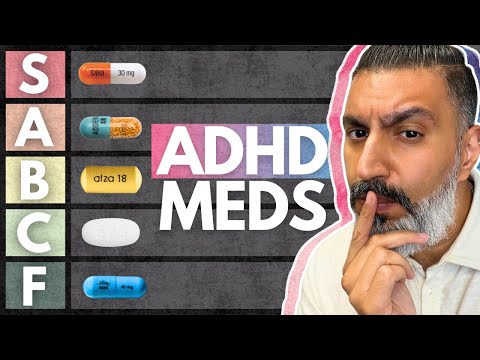
Alright, let’s talk ADHD. If you, or someone you care about, is dealing with it, you know it can be a rollercoaster ride. Some days are great, and others… well, let’s just say it can feel pretty chaotic.
Now, medication isn’t the whole solution. But it can definitely help smooth things out a bit. There are a bunch of options out there that people swear by.
So, if you’re curious about what’s available and how they might help, stick around. You might find something that clicks!
Top Medications for Managing Bipolar Disorder and ADHD: A Comprehensive Guide
Managing conditions like bipolar disorder and ADHD often involves medications that can help regulate mood, focus, and overall mental health. It’s important to find the right mix for your needs, which is best handled by a healthcare professional. Let’s break down some of the top medications used for these conditions.
Bipolar Disorder Medications:
When it comes to bipolar disorder, the aim is often to stabilize mood swings. Here are some common medication types:
- Mood Stabilizers: Lithium is probably the most well-known. It helps prevent both manic and depressive episodes. Regular blood tests are needed to monitor levels.
- Atypical Antipsychotics: Medications like Quetiapine and Lurasidone can be effective in controlling mania and are sometimes used to treat depression.
- Antidepressants: These are tricky since they can sometimes trigger mania in people with bipolar disorder. They’re generally prescribed with a mood stabilizer.
For example, I once knew someone who struggled with the ups and downs of bipolar disorder; finding lithium was a game-changer for them. It wasn’t instant magic, but slowly they began to feel more stable.
ADHD Medications:
Now onto ADHD medications. The goal here is usually about improving focus and reducing impulsive behaviors. There are two main types of ADHD meds:
- Stimulants: These include Methylphenidate, like Ritalin or Concerta, and Amphetamine formulations, like Adderall or Vyvanse. They work by boosting neurotransmitters in the brain that help you pay attention.
- Nonnarcotic options: Sometimes people can’t tolerate stimulants or have certain health issues that make them risky. Medications like Atomoxetine, which targets norepinephrine reuptake, can be used instead.
I remember helping a friend navigate their ADHD diagnosis; stimulants were life-changing in terms of focus! But we also learned about potential side effects—like insomnia or anxiety—which made finding the right dosage essential.
The Connection Between Bipolar Disorder and ADHD:
It’s worth noting that some folks might have both bipolar disorder and ADHD; managing these dual diagnoses can be complex. In such cases, doctors will take extra care when prescribing medications because some treatments for one condition may not work well for the other.
Finding an effective treatment plan often takes time—what worked wonders for one person might not be suitable for someone else. Regular communication with your healthcare provider is key here.
All said and done, understanding these medications is just one part of managing mental health conditions like bipolar disorder and ADHD. Treatment isn’t purely about pills; it also includes therapy, lifestyle changes, support networks – you name it!
As always, if you’re considering starting or changing medication regimens, it’s super important to talk things through with your therapist or psychiatrist first. You want to make sure you’re getting the support that fits your needs best!
The Ultimate Guide to the Most Effective ADHD Medications for Adults
So, let’s talk about ADHD medications for adults. You might have heard a lot about this subject, and honestly, it can be a bit overwhelming. But with the right info, you can get a clearer picture of what’s out there and what might work best for you.
First off, **ADHD** stands for Attention-Deficit/Hyperactivity Disorder. It’s not just a kid thing; many adults are living with it too. Symptoms can include trouble focusing, impulsivity, and restlessness. When it comes to treatment, medication is often one of the main paths people take.
Now here’s where it gets interesting. There are typically two main types of medications used to treat ADHD: **stimulants** and **non-stimulants**.
Stimulants are usually the first line of treatment. They work by increasing levels of certain neurotransmitters in the brain—specifically dopamine and norepinephrine—which help improve focus and self-control.
- Methylphenidate: This includes brands like Ritalin or Concerta. Many folks find these effective in boosting concentration.
- Amphetamines: Medications like Adderall or Vyvanse fall into this category. They can be super helpful for managing ADHD symptoms as well.
The thing is, while stimulants are often effective, they’re not for everyone. Some people experience side effects like insomnia or increased heart rate. Then there are those who just don’t feel right on them—everyone responds differently!
That’s where non-stimulant medications come into play. These can be useful alternatives if stimulants aren’t cutting it or if you prefer not to go that route.
- Atomoxetine (Strattera): This one works differently by selectively inhibiting the reuptake of norepinephrine. It doesn’t have the same potential for abuse as stimulants do.
- Guanfacine: Sometimes prescribed as Intuniv; it helps with impulse control and hyperactivity.
It’s pretty important to talk to your healthcare provider about what might work best for you based on your unique situation—maybe you’ve got other health conditions or take other meds that could interact badly.
Let me share a quick story to illustrate this point: A friend of mine struggled with ADHD all her life but was super reluctant to try medication because she had heard horror stories about side effects. After talking to her doctor and trying both stimulant and non-stimulant options, she found that the non-stimulant worked way better for her without those pesky side effects keeping her up at night.
Of course, medication isn’t everything! It often works best when paired with some kind of therapy—like cognitive-behavioral therapy (CBT)—which helps teach skills that make living with ADHD easier.
Bottom line? Finding the right medication is often a process of trial and error—you know? What works wonders for one person might not do much for another! Always stay in touch with your healthcare provider during this journey so they can guide you properly.
So yeah, knowing your options is key here! Whether it’s stimulants or non-stimulants, there’s help available out there! Just gotta figure out what fits your needs best.
Top ADHD Medications for Adults Managing Anxiety: A Comprehensive Guide
Managing ADHD as an adult can be a bit of a rollercoaster, especially when anxiety gets thrown into the mix. It’s like trying to ride two rides at once, right? Medications can step in to help balance things out, and it’s super important to know what’s available. Let’s dive into a couple of options that are often talked about for adults dealing with both ADHD and anxiety.
Stimulant Medications are the first line of treatment for ADHD. These meds can be really effective for boosting focus and managing hyperactivity. But they often ramp up anxiety levels too, which makes things complicated. Here are a few common ones:
So, what do you do if these meds make your anxiety worse? Well, there are options!
Non-Stimulant Medications might be more your speed if anxiety is a big deal for you. They tend to have a calmer effect on the system. Here are some keys:
Then there’s Antidepressants, which aren’t always the go-to for ADHD but can help with the anxiety side of things:
It’s totally normal to feel overwhelmed sorting through all this info, especially when you’re just trying to find something that works for you. Everyone’s body reacts differently—what helps one person might not be suitable for another.
And let me tell you a quick story! A friend of mine struggled with managing her job because her ADHD made it hard to concentrate, while her ever-present anxiety felt like this dark cloud hovering over her head. She tried stimulants first but noticed her heart racing even more whenever she took them; it was like pouring gas on fire! After talking it through with her doctor, she switched gears to Atomoxetine and found it much smoother sailing—fewer worries about feeling anxious at work.
The key takeaway here is communication with your healthcare provider is essential in finding what combo works best while keeping everything balanced. You might need patience—it often takes time—and maybe even trial and error across different meds before landing on the right fit.
So yeah, navigating this blend of ADHD and anxiety is tricky but definitely possible! Just remember you’re not alone in this journey; many folks are dealing with similar challenges every day!
When it comes to ADHD, figuring out what works for you can feel like wandering through a maze with no map. You know, it’s that mix of overwhelming energy and, at times, feeling a bit lost? Medications are often part of that journey. They’re like tools in your toolbox—some work better than others.
So, let’s talk about the most common meds out there—stimulants tend to be the go-to. Things like Adderall and Ritalin are pretty popular because they can help increase focus and reduce hyperactivity. Imagine trying to concentrate on a book while someone’s blasting music next door; that’s what it feels like for many with ADHD. These meds kind of turn down the volume a bit.
But it’s not all sunshine and rainbows. Some people experience side effects that can seriously mess with their vibe—like trouble sleeping or feeling restless. And I’ve heard stories from friends who tried different meds only to find they didn’t really help them at all or made them feel kinda weird.
There are non-stimulant options too, like Strattera. They might not kick in as fast but can be a solid choice for those who don’t jive well with stimulants or have other health concerns.
It’s super important to keep in mind that everybody’s brain works differently, right? What helps one person focus better might leave another feeling foggy or anxious. That’s why working closely with a doctor is key; they can help you navigate through this whole process—kind of like having a buddy who knows the ropes.
I remember chatting with my friend Jake about his experience with ADHD meds. He tried several before finding one that clicked for him. It took some time and patience but when he finally found the right fit, he felt more himself again—less distracted during meetings and more engaged when hanging out with friends.
So yeah, if you’re looking into meds for ADHD support, just know it’s part trial-and-error and part self-discovery. Finding what clicks can lead you towards clarity amidst the chaos of daily life!