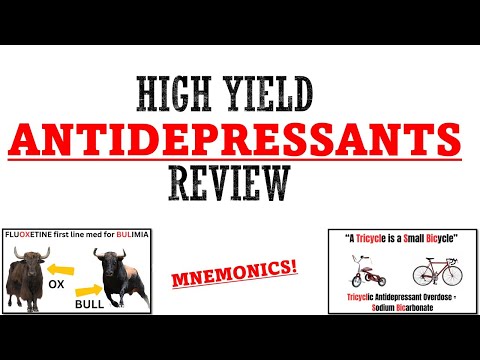
So, you’ve heard about SSRIs, right? Those are the meds everyone seems to mention when talking about depression or anxiety. It’s like they’re the go-to superheroes of the mental health world.
But what’s the deal with them, anyway? How do they work, and why are they so popular? And seriously, do they actually help people feel better?
Let’s chat about some of the most common ones out there. You know, the ones that folks might be taking right now. It’s a lot to unpack, but don’t worry—I’m here for it!
Top SSRIs: A Comprehensive Guide to the Most Commonly Prescribed Antidepressants
When it comes to dealing with depression and anxiety, SSRIs—or selective serotonin reuptake inhibitors—are often one of the first lines of defense. They’re commonly prescribed due to their effectiveness and relatively mild side effects compared to older antidepressants. Let’s talk about some of the most popular SSRIs and what you need to know about them.
Prozac (Fluoxetine) is probably one of the most well-known SSRIs. It was actually the first SSRI approved by the FDA back in 1987. It helps lift mood by increasing serotonin levels in the brain. Many people find that it can help with both depression and obsessive-compulsive disorder (OCD). A friend of mine took Prozac for a year to help manage their anxiety, and they said it was like finally finding their calm in a stormy sea.
Zoloft (Sertraline) is another major player in this category. It’s often prescribed for a range of issues, including PTSD, panic disorders, and social anxiety as well as depression. It’s usually well-tolerated, but some folks experience side effects like upset stomach or sleep issues when they first start taking it.
Paxil (Paroxetine) is also popular but tends to come with a bit more baggage. While it’s effective for various anxiety disorders and depression, it has a reputation for causing weight gain or withdrawal symptoms if you decide to stop taking it suddenly. My sister tried Paxil once; she said that while it helped her mood immensely, she had to work closely with her doc when she wanted to come off of it because that transition wasn’t easy.
Citalopram, sold under the brand name Cipramil, is another SSRI that many people respond well to. It’s mainly used for depression but can also help with certain anxiety disorders. One thing to keep in mind is that higher doses can lead to heart rhythm changes—so regular check-ups are key if you’re on this medication.
Escitalopram (Lexapro) is like Citalopram’s slightly newer cousin—it’s generally better tolerated and has fewer side effects. It’s particularly effective for generalized anxiety disorder and major depressive disorder as well. A buddy of mine swears by Lexapro; he feels more balanced than ever since he started taking it.
This isn’t an exhaustive list by any means; there are more SSRIs out there, each having its quirks and perks! But here are some key points:
- Sensitivity varies from person to person—what works miracles for one might not fit another as well.
- Side effects can happen. Sometimes initial nausea or fatigue occurs before your body adjusts.
- It can take several weeks before you start feeling the full benefits—so patience is definitely needed!
- Talking openly with your healthcare provider about what you’re experiencing can lead you both toward the right solution faster.
Navigating mental health treatment can be tricky—but understanding these common SSRIs might make things feel just a little less overwhelming! Remember: You’re absolutely not alone on this journey.
Understanding SSRIs: Common Conditions Treated with Selective Serotonin Reuptake Inhibitors
SSRIs, or Selective Serotonin Reuptake Inhibitors, are a class of medications that many people encounter when dealing with mental health issues. These drugs work by increasing the level of serotonin—a key brain chemical—available in the brain. More serotonin can boost your mood and help you feel more balanced emotionally.
So, what exactly are these meds often used for? Well, there are a few common conditions they help treat:
- Major Depressive Disorder: This is probably the most recognized use for SSRIs. If you’re feeling hopeless, unmotivated, or just not like yourself anymore, an SSRI can help lift that weight.
- Anxiety Disorders: Many folks dealing with generalized anxiety disorder or panic disorder find that SSRIs can reduce their feelings of anxiousness.
- Obsessive-Compulsive Disorder (OCD): For those struggling with persistent and unwanted thoughts or repetitive behaviors, SSRIs can bring some relief.
- Post-Traumatic Stress Disorder (PTSD): If someone’s grappling with trauma-related symptoms, SSRIs might be part of their treatment plan to ease those heavy feelings.
Now let’s break this down a bit more. Imagine you’re going about your day but suddenly feel overwhelmed by despair or panic outta nowhere. That was Sarah’s story. She’d been battling depression for a while and didn’t know how to cope. Her therapist suggested trying an SSRI like fluoxetine. At first, Sarah was skeptical—could a pill really change anything? But after a few weeks of taking it regularly, she noticed her mood started to stabilize. She could finally get out of bed without feeling like she was dragging around an anchor.
Another thing worth mentioning is how SSRIs aren’t a quick fix; it often takes a few weeks to notice changes in how you feel. Some side effects may pop up too—like nausea or sleep disturbances—which can seem annoying but usually fade away as your body gets used to the medication.
And let’s not forget about the importance of pairing medication with therapy! Just like peanut butter and jelly make a great sandwich, combining medication with talk therapy often leads to better results.
So yeah, understanding SSRIs means knowing what they treat and how they could fit into someone’s mental health journey. It’s all about finding what works best for you—because everyone’s path is different!
Exploring the Most Popular SSRI for Depression: Benefits, Effects, and Considerations
So, let’s chat about SSRIs, which stands for **Selective Serotonin Reuptake Inhibitors**. These are like the go-to meds for treating depression. They work by increasing the amount of serotonin in your brain—a neurotransmitter that plays a big role in mood regulation.
One of the most popular SSRIs is fluoxetine, you might know it as Prozac. People often turn to it because it’s generally well-tolerated and has a fairly long track record. But why is that?
- Benefits: One of the key perks of fluoxetine is its effectiveness in reducing depressive symptoms. Research shows that many people notice improvements in their mood within a few weeks.
- Side Effects: It’s not all sunshine and rainbows, though. Some folks experience side effects like insomnia, nausea, or sexual dysfunction. It can be a bit of a balancing act to find the right dosage with your doctor.
- Long-term Use: Some people end up on it for years, and while many manage just fine, others might face challenges when they try to stop taking it. Withdrawal symptoms can sometimes pop up.
Now let’s not forget about individual experiences here! I remember chatting with my friend Sarah who struggled with depression for years before she started taking fluoxetine. At first, she was nervous about taking medication—like she thought it would change her whole personality or something. But after giving it some time, she found herself feeling more like herself again. She could actually enjoy her favorite hobbies without that constant cloud hanging over her head.
Another popular SSRI is **sertraline**, commonly known as Zoloft. Similar to fluoxetine, Zoloft works well but may have different side effects for some people.
- Dosing Flexibility: What’s cool about sertraline is that you can adjust doses easily based on how you’re feeling.
- Anxiety Relief: It’s often used to treat anxiety disorders too! So if someone has both anxiety and depression, this could be a good choice.
But remember: every person reacts differently to medications! What works wonders for one person might not have the same effect on someone else.
Finally, there are important considerations when considering SSRIs:
- Consult Your Doc: Always chat with a healthcare professional before starting or stopping any meds!
- Mental Health Management: SSRIs aren’t a magic fix; incorporating therapy can be super beneficial alongside medication.
So that’s basically what you need to know about popular SSRIs like fluoxetine and sertraline in treating depression. They have their pros and cons; understanding them is key to making informed choices about your mental health care.
You know, when it comes to mental health treatment, there’s a lot of talk about SSRIs—those selective serotonin reuptake inhibitors. Seriously, they’re like the go-to for a bunch of folks dealing with conditions like depression and anxiety. I mean, if you’ve ever felt that heavy weight on your chest or found it tough to enjoy the things you used to love, you might have thought about these meds.
I remember a friend who really struggled with anxiety. Just going out to grab coffee seemed like climbing a mountain for her. After talking to her doctor, she gave SSRIs a shot. At first, there were some bumps in the road—side effects can come in all shapes and sizes, you know? But over time, she began to feel different—in a good way! It was wild seeing her slowly reclaim little bits of herself.
SSRIs help by increasing serotonin levels in the brain. Serotonin’s like this little mood-boosting chemical that plays a big role in how we feel. So basically, when there’s more serotonin hanging around because these meds block its reabsorption into nerve cells, people often start feeling better.
But it’s not all rainbows and butterflies; everyone reacts differently. Some people might find SSRIs super helpful while others may struggle with them or even have bad side effects. And let’s be real: it takes time to find the right one—trial and error kinda stuff.
There’s also the whole conversation about therapy alongside medication. It’s not just pop a pill and call it a day; many find that combining meds with talking things out can really make all the difference. So those SSRIs? They can be part of your toolkit for mental health but definitely not the whole toolbox!
In the end, what’s key is finding what works best for you or your loved ones on this journey towards feeling better—a process that is usually messy but so worth it when you eventually hit those brighter days.