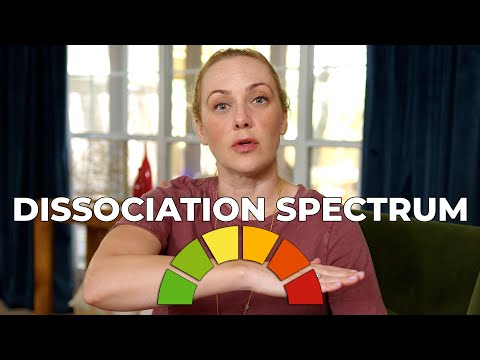
So, motor dissociative disorder. It’s a mouthful, right? But basically, it’s when your brain kind of checks out and leaves your body behind. Like, imagine going through the motions of your day but feeling totally disconnected from it all.
I remember chatting with a friend who went through this. One minute she was in the middle of a conversation, and the next, she couldn’t even remember what she just said. Super unsettling stuff.
People might brush it off or not even understand it. But trust me, it can make life feel really confusing. The psychological effects? Yeah, they’re no joke. Let’s unpack what this all means together!
Exploring Effective Medications for Managing Dissociation: A Comprehensive Guide
Dissociation can be a pretty confusing experience. It’s like your mind decides to take a little vacation when life gets too hard to handle. You might feel detached from reality, like you’re watching yourself in a movie or even having trouble connecting with your own feelings. Motor Dissociative Disorder is one of those conditions where people experience this kind of detachment, especially when it comes to movement and coordination.
When we talk about managing dissociation, medications can play an important role for some folks. But keep in mind that finding the right treatment is often a bit of a journey. Here’s what you need to know.
1. Antidepressants: These are usually the first line of defense for many mental health issues, including dissociation. They can help with underlying symptoms like anxiety or depression that often accompany dissociative disorders. Selective serotonin reuptake inhibitors (SSRIs) are commonly prescribed.
2. Mood Stabilizers: Sometimes, medications that stabilize mood can be helpful too. Medications like lithium or lamotrigine could help smooth out the emotional rollercoaster that some people experience with dissociation.
3. Anti-Anxiety Medications: If anxiety is part of your struggle, short-term use of benzodiazepines might relieve some symptoms temporarily. However, they are not meant for long-term management since they can lead to dependency issues.
4. Antipsychotics: In certain cases, atypical antipsychotic medications may help manage severe symptoms such as depersonalization or derealization—where you feel detached from yourself or feel like the world around you isn’t real at all.
It’s really important to work closely with your doctor when figuring all this out because everyone’s body and brain react differently to meds—what works for one person may not work for another.
And here’s something crucial: medication alone isn’t always the magic fix! Pairing meds with therapy tends to produce better outcomes overall. Cognitive Behavioral Therapy (CBT), for instance, helps tackle negative thought patterns and improve coping strategies.
Also, if you’ve ever had days where you felt completely spaced out but couldn’t pinpoint why—maybe it was stress piling up or something triggering those feelings—you know how tough it can be to manage without support.
Finding effective medications for managing dissociation takes time and patience—you’re navigating your unique path! Staying connected with mental health professionals who understand this journey helps create a solid support system while finding what works best for you.
Understanding PTSD Dissociation: Symptoms, Causes, and Coping Strategies
When we talk about **dissociation**, especially in the context of PTSD (Post-Traumatic Stress Disorder), it’s like saying your brain is trying to protect you from something that feels too overwhelming. It’s not fun, believe me.
**What is Dissociation?**
Dissociation can mean different things for different people. Sometimes it’s just feeling spaced out or detached from reality. Other times, it can get pretty intense—like not feeling connected to your body or forgetting things that happened during a traumatic event.
Imagine a friend telling you about a traumatic experience they went through, but when they talk about it, they seem distant—like they’re watching a movie instead of actually living it. That’s dissociation at play.
**Symptoms of PTSD Dissociation**
You might notice several symptoms when someone is experiencing dissociation related to PTSD. Here are some common ones:
- Feeling Detached: You might feel like you’re observing yourself from outside your body.
- Memory Gaps: Forgetting important details of the trauma or even parts of your life.
- Emotional Numbing: A sense of being disconnected from feelings and emotions.
- Time Distortion: Feeling like time has slowed down or sped up during stressful events.
These symptoms can vary in intensity and frequency. Sometimes it’s just a fleeting moment; other times, it can be chronic and impact daily life.
**What Causes Dissociation?**
So what triggers all this? Think back to that friend again. If they went through something extremely stressful or traumatic—like an accident, violence, or even prolonged bullying—their brain might decide to dissociate as a way to cope with the pain.
It’s basically the brain’s way of saying “Nope! I can’t deal with this right now!” Some things that cause dissociative symptoms include:
- Trauma: Events that are shocking and damaging can lead you down this path.
- Anxiety and Stress: High-stress situations might trigger dissociative responses as well.
- Coping Mechanism: For some, it’s a learned behavior from childhood as a way to escape difficult feelings.
The thing here is that while dissociation can offer temporary relief, in the long run, it often complicates healing.
**Coping Strategies**
Alright, so what can you do if you’re feeling dissociated? There are ways to manage these feelings—though it’s important to remember that everyone’s journey is unique.
- You Are Not Alone: Seek support! Talk with friends, family—or better yet—a therapist who gets where you’re coming from.
- Mental Grounding Techniques: Focus on your surroundings; name five things you see around you or hold onto something tangible to remind yourself where you are.
- Meditation and Mindfulness: These practices help bring your mind back into the present moment; breathe deeply and focus on the here and now.
And hey! If one thing doesn’t work for you right away, don’t sweat it. Just keep trying different approaches until something clicks.
In summary…
Dissociation in PTSD can be tricky business. It serves as a coping mechanism for many but reflects deeper struggles related to trauma. Remember: understanding what’s happening inside your brain is key—and don’t hesitate to reach out for help when it feels like too much! Healing takes time and support is crucial along the way.
Exploring the Different Types of Dissociative Disorders: Understanding Their Symptoms and Impact
Dissociative disorders can feel pretty overwhelming, both for those experiencing them and for their loved ones. They’re often about a disconnection in a person’s thoughts, memory, or sense of identity. You might have heard of the term “dissociation” before, but let’s break it down into the different types of dissociative disorders and shine some light on one particular type: Motor Dissociative Disorder.
So, there are several types of dissociative disorders out there. The main ones include:
- Dissociative Identity Disorder (formerly known as Multiple Personality Disorder): This involves having two or more distinct identities or personality states that control a person’s behavior at different times.
- Dissociative Amnesia: This is when someone blocks out certain information about themselves or events, usually linked to trauma.
- Derealization/depersonalization disorder: Here, you might feel detached from yourself (depersonalization) or feel like what’s happening around you isn’t real (derealization).
- Motor Dissociative Disorder: That’s the focus today! This is where you might experience issues with voluntary motor functions—think along the lines of weakness or paralysis—without any obvious medical reason.
When we talk about Motor Dissociative Disorder specifically, it’s kind of wild how it can mess with your physical abilities. People may experience things like tremors, loss of coordination, or even full-on paralysis. Imagine trying to pick up a cup and your hand just won’t budge! That frustration can lead to feelings of confusion and helplessness.
This disorder often sprouts from overwhelming stress or trauma; it’s like your brain goes into protective mode. Let me share a quick anecdote—imagine Sarah, who was in a car accident that shook her to her core. Afterward, she started feeling this strange heaviness in her legs; they felt heavy like they were made of lead but also completely fine physically. It was her mind’s way of coping with something too intense to handle directly.
The impact? Well, it can ripple through all areas of life. From struggling at work due to lack of mobility to pulling away from friends because you don’t want them to see how you’re feeling—it can get pretty isolating. Plus, addressing these symptoms often requires multi-faceted treatment approaches such as therapy and sometimes medications.
In therapy sessions aimed at helping individuals with Motor Dissociative Disorder, professionals may focus on deepening your understanding of what triggered the dissociation—a healing process that includes confronting emotions tied to past traumas and finding ways to integrate those experiences instead of pushing them away.
So yeah, dissociation isn’t just something that happens in movies; it’s real life for many people. Understanding it better helps us empathize with those affected and supports their journey toward healing in all kinds of ways!
Motor Dissociative Disorder, huh? It’s a topic that gets into some pretty heavy stuff. Imagine waking up one day and your body just… doesn’t work right. You know, it’s like your brain and body forgot how to talk to each other. This can leave folks feeling totally disconnected from themselves, which is both scary and confusing.
I remember this one story about a guy named Jake. He was super active, always on the go with sports and outdoor stuff. Then one day, he found himself struggling to move his arms like they were frozen in place. It was like watching a really bad horror movie—just unsettling. Jake felt trapped inside his own head while his body wouldn’t cooperate. Frustration piled up on top of confusion; he started doubting his own reality.
What’s interesting is that Motor Dissociative Disorder often comes as a result of trauma or extreme stress. It’s like your mind’s way of dealing with things that are too hard to handle head-on. When the brain gets overloaded, it tries to protect you by separating parts of your experience from consciousness, which might sound complicated but makes sense when you think about it.
The psychological effects can be huge—imagine feeling anxious or helpless because you can’t control your own movements or actions. This can lead to all sorts of feelings: depression, anxiety—maybe even feelings of being «freaky» or «not normal.» The isolation sets in too; you watch people going about their lives while you’re stuck in this weird space where nothing feels quite right.
Therapies focusing on grounding techniques might help here; they basically bring someone back into their body and help them reconnect with reality. It’s all about getting back that sense of safety and ownership over oneself again.
But here’s the thing: people shouldn’t be ashamed to reach out for help or share their experiences. Motor Dissociative Disorder isn’t just about the symptoms; it’s also about healing and finding ways to move forward—even if it feels like you’re dragging a heavy weight behind you at first. So yeah, if you know someone who’s struggling with this kind of thing—or if it’s you—remember there’s support out there waiting for you!