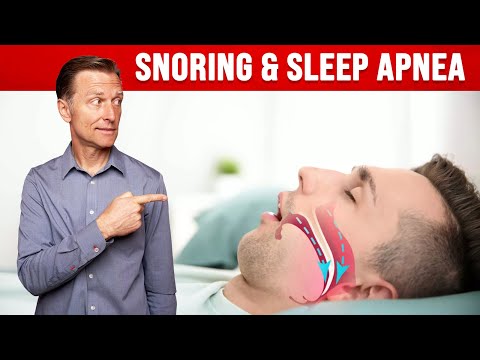
You know those nights when you wake up feeling like a zombie? Yeah, I’ve been there. It’s like, what happened? Did I even sleep?
Well, turns out, it could be all about how you’re breathing while you snooze. Seriously! Mouth breathing during sleep isn’t just annoying. It can mess with your head and your health in ways you might not expect.
Imagine waking up tired and cranky every day. That’s no fun, right? Let’s chat about why breathing through your mouth at night might just be the culprit that’s dragging you down.
The Impact of Mouth Breathing During Sleep: Is It Harmful to Your Health?
Mouth breathing during sleep is something many people might not even think about, but it can seriously mess with your health. When you breathe through your mouth at night, your body doesn’t get the benefits it would from breathing through your nose. And that can lead to a bunch of issues.
First off, let’s talk about why breathing through your nose is actually important. Your nose acts like a filter for the air you breathe in. It warms up the air, adds moisture, and traps dust and allergens. When you breathe through your mouth, none of this happens. You end up inhaling unfiltered air that’s colder and drier—definitely not ideal for your lungs.
So what are some of the actual problems that can come from mouth breathing? Well, here are a few things to consider:
Now think about how all this affects your mental health too. Poor sleep quality can lead to irritability and fatigue during the day. It might leave you feeling anxious or even depressed without really knowing why. Seriously! All those little things add up.
I remember when a friend of mine started snoring loudly—like a chainsaw, honestly! He was always tired and cranky during workdays but didn’t connect his snoring with his overall mood. After some chats and looking into it more, he found out he was mostly a mouth breather at night! Fixing that made such a huge difference in his energy levels.
And here’s another thing: if you’ve got children who are chronic mouth breathers, it’s worth keeping an eye on them too. The impact on their development can be pretty significant (think dental issues or even speech problems). Plus, it could affect their social interactions—who wants to hang out with someone whose breath smells like an old gym sock?
In short, mouth breathing during sleep isn’t just annoying; it can have serious repercussions for both physical and mental health. If you’re worried about how you’re sleeping or feel like you’re experiencing some effects from this habit yourself (or if someone around you is), making an appointment with a doctor or specialist may help clear things up.
Remember: Small changes in how we breathe at night might lead to big improvements in our overall well-being!
Exploring the Connection Between Mouth Breathing and Mental Health: What You Need to Know
Mouth breathing is more common than you might think. You know, when you’re sleeping and you wake up feeling all dry-mouthed and groggy? That’s a pretty typical sign. But did you ever consider how this simple act might actually mess with your mental health? Well, let’s break it down a bit.
First off, when you breathe through your mouth, especially at night, it can disrupt sleep quality. Poor sleep isn’t just about feeling tired; it affects your mood and overall mental well-being. Think about that time you didn’t sleep well before an important day—you probably felt cranky or anxious. It’s no joke: sleep deprivation can contribute to conditions like anxiety and depression.
Now, let’s get into the nitty-gritty of it. Mouth breathing during sleep leads to a few not-so-fun physical changes in your body. For one, it can lead to dry mouth, which increases the risk of dental issues like cavities and gum disease. And guess what? Oral health is closely tied to mental health. If you’re dealing with pain or discomfort in your mouth, how do you think that impacts your mood?
There’s also something called sleep apnea—a condition where breathing stops for short periods during sleep. It’s pretty common among mouth breathers and can lead to daytime drowsiness, irritability, and difficulty focusing. You know how frustrating that is when you’re trying to concentrate on anything but just can’t? Yeah, that’s what I’m talking about.
Think of emotional regulation too. When you’re not getting quality REM sleep because of mouth breathing or related issues, it affects how well you handle stress and emotions throughout the day. Have you noticed yourself being extra irritable after a rough night’s sleep? It’s all connected!
But wait, there’s more! Chronic mouth breathing can change the way your face develops over time—yes, really! It may lead to changes in jaw alignment which then could affect speech and social interactions. Imagine being self-conscious about how you speak—it could make anyone more anxious or withdrawn.
So what’s the takeaway here? If you’re catching yourself breathing through your mouth during sleep or even while awake often, don’t brush it off as no big deal—like it’s just a little quirk. Consider looking into solutions like nasal strips or consulting with a medical professional who gets why this matters.
In essence:
- Mouth breathing disrupts quality of sleep, leading to mood swings.
- It can cause dental issues, affecting overall mental health.
- Sleep apnea linked with chronic mouth breathing contributes to daytime fatigue.
- Changes in facial structure could affect social interactions, increasing anxiety.
So yeah, these little habits have bigger implications for mental well-being than we often realize! Keep an eye on them; they matter more than you think!
Mastering Nose Breathing: Tips for Better Sleep and Mental Clarity at Night
You know, it’s kind of wild how something as simple as breathing can have a big impact on how we feel. Seriously, mastering nose breathing might just be the ticket to better sleep and sharper mental clarity, especially at night. Let’s chat about why that is and how you can get started.
First off, when you breathe through your mouth, especially while sleeping, it can mess with your body in a few not-so-great ways. Mouth breathing can lead to drier airways, which might make you snore or even wake you up feeling like you’ve got sandpaper in your throat. Plus, it doesn’t filter out allergens and irritants like nose breathing does. Your nose is like a little superhero—it warms and humidifies the air before it gets to your lungs.
Now let’s break down some tips for switching things up:
- Practice during the day: Start by consciously breathing through your nose during daily activities. It might feel weird at first, but with time it’ll become more natural.
- Try nasal strips: These handy little tools open up your nostrils while you sleep and can make nose breathing way easier. They’re kind of like a gentle nudge to keep you on track.
- Check for allergies: If you’re always stuffy, maybe it’s time to look into potential allergies or sinus issues. Less congestion means easier nose breathing!
- Create a calming bedtime routine: Wind down each night with some relaxation techniques—tighten your shoulders then relax them while focusing on nasal breaths.
- Maintain good sleep posture: Sleeping on your back (if that’s comfy for you) can help keep your airways open. Sometimes though we just gotta find what position works best for us—no judgment here!
Shifting from mouth to nose breathing isn’t just about sleep; it affects how clear-headed we feel throughout the day too! Research has shown that nasal breathing helps with oxygen exchange, which is super important for brain function and overall mental health.
Think about it this way: When I made the effort to switch my own breathing patterns years ago, I noticed a huge change in my focus and overall mood. Nights became more restful; mornings felt clearer—it was like flipping a switch!
So yeah, mastering nose breathing isn’t just some random trend; it’s got real benefits for both sleep quality and mental clarity. It may take some practice, but trust me—you’ll thank yourself later!
Okay, so let’s talk about mouth breathing during sleep. I mean, it seems like such a simple thing, right? But believe it or not, it can have some pretty interesting psychological effects that we often overlook.
Picture this: you’ve had a long day, and when you finally hit the pillow, you’re thinking about all the stuff that needs to get done tomorrow. But instead of breathing through your nose like a champ, you’re wide open-mouthed snoozing away. What happens is that this can mess with your sleep quality more than you might think. Seriously.
When you breathe through your mouth, especially at night, the air doesn’t get filtered or humidified the way it does through your nose. This can lead to stuffy noses and dry throats—yikes! It’s kinda uncomfortable and can even wake you up more than once during the night. So imagine tossing and turning because you’re feeling uneasy when all you want is a solid night’s sleep.
Now here comes the kicker: when your sleep gets disrupted like this, your mood can take a serious hit! You wake up feeling groggy and irritable instead of refreshed and ready to take on the world. You might find yourself snapping at loved ones over small things or just feeling down for no apparent reason. It’s like walking around in a fog all day long.
It reminds me of my friend Jess. She used to mouth breathe without even knowing it until she started having these weird mood swings and fatigue all the time. Once she figured it out and worked on breathing better at night—like focusing on nasal breathing—her mood improved noticeably! She felt more energetic and less cranky even during stressful times.
But here’s where it gets deeper: poor sleep from mouth breathing isn’t just about tiredness and irritability; it also relates to anxiety levels. If you’re not getting enough restorative sleep, you may feel more anxious during the day. Everything feels overwhelming when you’re running on empty emotionally.
So yeah—it seems small but mouth breathing has these ripple effects that touch so many aspects of how we feel mentally. If you’ve ever caught yourself waking up tired or in a bad mood regularly, maybe it’s worth checking if nighttime habits are playing into that whole situation? Just something to think about!