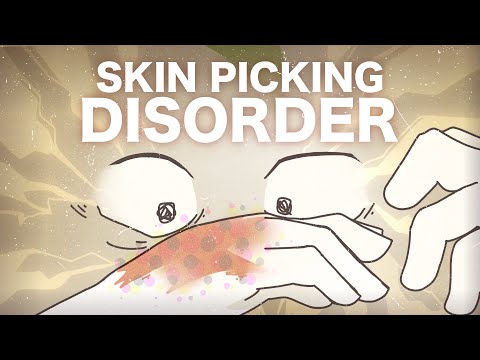
So, I was chatting with a buddy the other day. She mentioned how she just can’t stop picking at her skin. You know, like that annoying habit we all have?
But, for her, it’s way more than just a little pick here and there. It’s become this serious thing that messes with her head and emotions.
Ever felt that itch to pick at something? It seems harmless, right? Well, what if I told you it could lead to some major mental health struggles?
Let’s talk about excoriation — you might know it as skin-picking disorder. We’re diving into how this impacts your mind and life, even when it feels like just another quirky habit.
Understanding Excoriation Disorder: Is It Classified as a Mental Illness?
Alright, so let’s talk about Excoriation Disorder, which is also known as skin-picking disorder. This condition can really take a toll on someone’s mental health, and you might be wondering where it fits in the big picture of mental illnesses.
So, basically, Excoriation Disorder is characterized by an ongoing urge to pick at your skin. This often leads to noticeable damage and can even leave scars. It’s not just a bad habit; it can feel uncontrollable. If you or someone you know has found themselves picking at their skin repeatedly—like when feeling anxious or bored—you’re definitely not alone.
Is it classified as a mental illness? Yup, it is! The Diagnostic and Statistical Manual of Mental Disorders (DSM-5) classifies Excoriation Disorder as an obsessive-compulsive and related disorder. That means it shares some similarities with other conditions like OCD, where intrusive thoughts and compulsions are common.
The thing about this disorder is that it’s not just about physical symptoms. There are real emotional challenges involved too. Many people who struggle with skin-picking often experience feelings of shame or guilt afterward. You might feel embarrassed when others notice the marks on your skin, which can lead to social anxiety or even isolation.
- Emotional Triggers: Stress, anxiety, boredom—these are all common triggers for picking at the skin. You might find yourself doing it without even realizing until it’s too late.
- Coping Mechanisms: Some people use picking as a way to cope with overwhelming emotions. It can feel like a form of release, but then leads to more distress later on when the consequences become apparent.
- Treatment Options: Therapy often helps! Cognitive Behavioral Therapy (CBT) is one approach that focuses on understanding the behavior’s triggers and learning healthier coping strategies.
I remember talking to someone who shared her struggles with this condition. She described how she’d spend hours picking at her arms while binge-watching shows—and even though she knew it wasn’t good for her skin, she felt compelled to do it in those moments of stress.
If you’re wondering whether this is something you or a friend might be experiencing, recognizing that it’s okay to seek help is super important. You’re not alone in this battle; lots of folks face similar issues but may just not talk about them openly.
In short, yes—Excoriation Disorder is indeed classified as a mental illness. It impacts both physical appearance and emotional well-being significantly. Understanding this condition can pave the way for more compassionate conversations around mental health and healing!
Effective Strategies for Coping with Excoriation Disorder: A Comprehensive Guide
Excoriation Disorder, also known as skin-picking disorder, can be really tough to deal with. You might find yourself picking at your skin to the point of causing damage. This behavior can sometimes feel like a way to cope with stress or anxiety. The thing is, it often leads to feelings of shame and guilt afterward, which can create a vicious cycle. If you or someone you know is dealing with this, understanding some strategies for coping can be super helpful.
First off, awareness is key. Recognizing when and why you pick your skin is essential. Keep a journal to note down when it happens, how you feel before and after, and any triggers. This could be stress from a job or anxiety about relationships. By pinpointing these triggers, you start building a roadmap of what sets off the urge to pick.
Then there’s replacement behaviors. Instead of picking at your skin, find something else to do with your hands. For instance:
- Stress balls
- Fidget spinners
- Silly putty or clay
- Knitting or crocheting
Doing something tactile can keep your hands busy and distract you from the urge.
Another helpful strategy is mindfulness meditation. Seriously, just taking a few minutes each day to practice mindfulness can help ground you in the present moment instead of focusing on that compulsion. You might want to try guided meditations or simply focus on your breath for a few minutes. It might feel silly at first but give it time—you could notice changes in how much control you feel over those urges.
You could also explore cognitive-behavioral therapy (CBT). This type of therapy helps you understand the thoughts that lead to skin-picking and teaches new ways to react to those thoughts. CBT can be particularly effective because it gives you practical tools for changing your behavior.
Oh! And let’s not forget about self-care practices. Taking good care of yourself physically can help improve your mental health too. Things like eating well, exercising regularly, and getting enough sleep play big roles in how we manage stress overall.
Setting up a support system around you is another important step. Talk about what you’re going through with friends or family members who are understanding and supportive. Sometimes just having someone listen without judgment makes all the difference.
But look, it’s not only about what *you* do; sometimes medications prescribed by professionals can also help if things get really tough. It’s worth discussing this option with a healthcare provider if you’ve tried other strategies without much luck.
Lastly, remember that this journey isn’t linear—there’ll be ups and downs along the way. Celebrate small wins when you’re able to resist picking for even a short while! It’s important not to beat yourself up if things don’t go perfectly because recovery takes time.
Considering all these strategies together forms a solid foundation for coping with excoriation disorder effectively—and hey, you’re taking big steps towards feeling better!
Understanding the Long-Term Effects of Skin Picking: Insights into Dermatillomania and Mental Health
Dermatillomania, also known as skin picking disorder, is a condition that affects a lot more people than you might think. It’s not just a bad habit; it’s a serious mental health issue. When someone feels the need to pick at their skin repeatedly, often to the point of causing damage, it can lead to both physical and emotional scars.
So, what are the long-term effects of skin picking? Well, you might end up with scarring, which can be super frustrating and sometimes even embarrassing. Imagine trying to wear a short-sleeve shirt in the summer but feeling self-conscious about those marks on your arms. That’s real for many people.
And then there’s the constant anxiety. It’s like this nagging voice in your head that never really goes away. You might find yourself caught in a cycle: stressed out, pick at your skin to cope, feel more stress from the damage you caused, and then pick again. It can feel like an endless loop.
The emotional struggle can manifest as feelings of shame or guilt. This can lead people into isolation. They might avoid social situations or feel bad about themselves after getting caught in that cycle of picking. You probably know someone who’s been there—those moments when they feel like they’re alone in their battle.
It also ties into other mental health issues. Many individuals with dermatillomania may experience co-occurring conditions like depression or anxiety disorders. Stressors from everyday life can make skin picking worse, which adds another layer of difficulty to coping with these other challenges.
Now let’s talk about treatment options because while this sounds heavy, help is available!
- Cognitive Behavioral Therapy (CBT): This approach focuses on changing thought patterns and behaviors related to skin picking.
- Habit Reversal Training: You learn how to recognize when you’re about to pick and replace that behavior with something healthier.
- Support Groups: Being around others who understand what you’re going through can be incredibly validating.
- Medication: Some people find relief through medication prescribed by a doctor—especially if anxiety or depression is involved.
Each person’s experience is unique, so what works for one person might not work for another. But knowing that you’re not alone in this struggle is so important.
In short, dermatillomania isn’t just about skin; it affects your mind too. Understanding how deeply interconnected our physical habits and mental health are is crucial for anyone dealing with this disorder or supporting someone who does. You’re in control of your journey toward healing—finding the right support makes all the difference!
You know, dealing with excoriation disorder—where you have this uncontrollable urge to pick at your skin—can really be a trip. It’s one of those things that a lot of people don’t talk about but can hit hard. I mean, imagine sitting there watching TV, and suddenly it’s like your hands have a mind of their own, just itching to pick at a scab or a spot. I had this friend who would always show up with band-aids on her arms, and when I asked about them, she’d just laugh it off like it was no big deal. But inside, I could see she was struggling.
And here’s the thing: those little skin battles can mess with your head in bigger ways than you might think. For some folks, picking is almost like self-soothing—like when you bite your nails or twirl your hair. It helps you cope with anxiety or boredom in the moment, but it also leaves behind telltale marks and scars that can feed into feelings of shame and low self-esteem.
It’s tricky because the more you pick, the more anxious you might feel about how you look or what others might think. And then there’s this cycle where picking tries to ease that anxiety but ends up making it worse. You end up avoiding social situations because you’re worried about what others will see. It can be really lonely.
You know what helps? Talking about it—even if it’s just with a friend who gets it or through therapy where they help explore those emotions behind the pick. Sometimes, just knowing you’re not alone in this weird battle makes a massive difference.
The reality is that coping isn’t just about stopping the behavior; it’s also about figuring out what’s driving it in the first place. Sometimes behind all that picking is stress or unresolved emotions that need some attention too. Breaking down those walls isn’t easy, but finding healthier ways to cope—like journaling or mindfulness exercises—can be powerful tools for managing both the physical urge and the emotional weight.
So if you’re feeling stuck in that cycle of picking and pain? Remember: it’s okay to ask for help. You’re not alone in this fight; so many people are out there battling similar issues every day! It’s way more common than you’d think—and reaching out could be one of the best things you ever do for yourself.