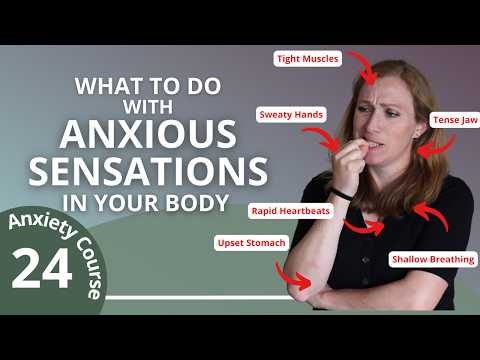
Hey! So, let’s talk about that tightness you sometimes feel in your muscles. You know, like when you’re stressed out or anxious?
It’s super common. Seriously, almost everyone deals with muscle tension anxiety at some point. It can sneak up on you, right? One minute you’re chilling, and the next, your shoulders are up by your ears.
That’s the thing—when we’re anxious, our body reacts in ways we don’t always realize until it’s too late. But there’s good news! You can learn to manage it.
Just a few simple tricks can help you feel more relaxed and in control. So let’s break it down together!
10 Effective Techniques to Stop Subconsciously Tensing Your Muscles and Reduce Stress
Muscle tension can sneak up on you, often stemming from anxiety or stress, right? It’s like your body’s way of reacting to whatever mental chaos is happening inside. You might notice it in your shoulders, neck, or even your jaw — those places just love to hold onto that stress. So how do you get rid of that pesky tension? Here are some effective techniques you can try.
- Progressive Muscle Relaxation: This technique involves tensing and relaxing different muscle groups in your body. Start with your toes and work your way up to your head. Tense each muscle for a few seconds and then relax it. You’ll be surprised how much better you feel when you’re finished!
- Deep Breathing Exercises: Focusing on your breath can be a game changer. Try inhaling deeply through your nose, holding for a moment, and then exhaling slowly through your mouth. This helps signal to your brain that it’s time to chill out.
- Mindfulness Meditation: Taking just a few minutes each day to sit quietly and focus on the present can dramatically lower muscle tension. Pay attention to how you feel in the moment and don’t judge those feelings — just observe them.
- Gentle Stretching: Simple stretches can relieve tightness in muscles significantly. Think about doing some light yoga or even basic stretches whenever you feel tension creeping in.
- Regular Exercise: Seriously, moving around does wonders for both body and mind! It helps release endorphins which are like nature’s painkillers. Even a brisk walk can make a difference.
- Aromatherapy: Scents like lavender or chamomile have calming effects that may help reduce stress levels. Try using essential oils in a diffuser or even lighting some candles.
- Warm Baths or Showers: The warmth from water can soothe sore muscles and ease tension throughout the body, making a nice addition to your self-care routine.
- Meditative Visualization: Picture yourself somewhere peaceful—maybe at the beach or on top of a mountain—and really immerse yourself in that image. Allow that sense of peace wash over you.
- Cognitive Behavioral Techniques: Sometimes you need to challenge negative thoughts creating stress! Write down what’s bothering you and reframe it into something more positive or realistic.
- Social Support: Talk it out! Spending time with friends who lift you up is key for mental well-being. Just chatting with someone about what’s stressing you out lowers that tension too!
Look, everyone experiences muscle tension occasionally — it’s no fun at all! Maybe you’ve had one of those days where stress seems endless; I know I have! But trying out these techniques can help reduce anxiety-related muscle tightness over time.
Just remember: consistency is key here; it’s not usually an instant fix but more like building good habits over time so you’ll be able manage stress better when life throws its little curveballs at ya!
10 Effective Strategies to Reduce Anxiety and Boost Your Mental Health
Managing anxiety, especially muscle tension anxiety, can feel like a mountain to climb. But there are some solid strategies that can help ease the tension and improve your overall mental health. Here’s a rundown of ways you can tackle anxiety, specifically focusing on those tight muscles that can creep up when you’re stressed.
1. Understand your body’s response. First off, it’s crucial to recognize how anxiety affects you physically. You know that feeling when your shoulders feel like they’re up around your ears? That’s muscle tension talking. Understanding this connection helps you spot when anxiety is creeping in.
2. Practice progressive muscle relaxation. This technique involves tensing and then relaxing different muscle groups. You start from your toes and work up to your head. Seriously, it sounds simple, but it can be super effective! When you focus on each part of your body, you start to notice where you’re holding onto stress.
3. Focus on deep breathing. It might sound cliché, but deep breathing works wonders. Try this: inhale through your nose for a count of 4, hold for 4, then exhale through your mouth for 6. Repeat it a few times and feel the tension slip away a bit.
4. Stay active. Regular physical activity isn’t just good for the body; it’s also great for mental health! Whether you’re into yoga or hitting the gym hard, moving gets those endorphins flowing and helps combat anxiety naturally.
5. Incorporate mindfulness. Mindfulness means being present in the moment without judgment—kind of like watching clouds drift by instead of getting lost in them! Try meditating or just sitting quietly for a few minutes to center yourself.
6. Maintain a balanced diet. What you eat impacts how you feel! Eating well—with plenty of fruits, veggies, whole grains—can provide essential nutrients that influence mood regulation and energy levels.
7. Get enough sleep. Sleep and anxiety are linked big time. If you’re not getting quality rest, anxious thoughts can spiral out of control fast! Aim for around 7-9 hours per night if possible—your body (and brain) will thank you later.
8. Connect with others. Isolation can ramp up those feelings of anxiety considerably. So talk to friends or family about what you’re going through or join support groups where people understand exactly what you’re feeling.
9. Limit caffeine and alcohol. Both can ramp up anxiety levels if consumed too much—caffeine makes everything feel more intense while alcohol can disrupt sleep patterns later on.
10. Seek professional help if needed. Sometimes all these strategies aren’t enough on their own; mental health professionals are there to support you when things get tough—and checking in with one doesn’t mean you’re weak!
You don’t have to face muscle tension anxiety alone; give these strategies a shot! It takes time, patience, and practice to find what works best for you just remember every small step counts towards better mental health overall.
Effective Strategies to Alleviate Muscle Tension Caused by Anxiety
Muscle tension caused by anxiety is, like, a really common struggle for many people. Seriously, when stress hits, it can feel like your muscles are just tight all the time. You know that feeling? Your shoulders might be up near your ears, or maybe your back feels like you’ve been carrying bricks around. It’s super uncomfortable and can add to your anxiety. But hey, there are some effective strategies that can help relieve that muscle tension.
Progressive Muscle Relaxation (PMR) is one of those methods that can be a game changer. Basically, it’s about tensing and then relaxing different muscle groups in your body. Start with your toes—clench them tight for five seconds, then let go and notice how they feel as they relax. Work your way up to your legs, stomach, arms, and face. By focusing on each muscle group this way, you’re not only relieving tension but also getting to know where you tend to hold stress.
Stretching is also key—like seriously underrated! Gentle stretching helps loosen tight muscles and increases blood flow which is super helpful when anxiety has you all knotted up inside. Try some neck rolls or shoulder shrugs; it doesn’t take long at all! Just a few minutes in between tasks could make a big difference in how you feel overall.
Breathe easy with deep breathing exercises. It sounds simple because it is! When you focus on slow inhalations and exhalations, you’re sending signals to your brain saying, “Hey! Chill out!” One method is the 4-7-8 technique: breathe in for four counts, hold for seven counts, then breathe out slowly for eight counts. Repeat this cycle a few times; it works wonders!
And then there’s yoga, which combines stretching with breathing techniques. Seriously—it’s not just fancy poses; it’s about finding relaxation while moving through different postures. You don’t have to be a pro—just find classes or videos labeled “gentle” or “restorative.” Even doing some sun salutations at home can really help ease those anxious muscles.
If you’re into nature at all, try spending time outdoors. Ever noticed how just being outside makes everything feel a bit lighter? Fresh air does wonders for both body and mind! Whether it’s a walk in the park or chilling on the porch—just being there helps reduce overall tension levels.
Meditation also deserves a shout-out here. When you meditate regularly—even if it’s just five minutes here and there—you learn to tune into what’s happening in your body without judgment. It creates space for awareness of muscle tension so you can actively respond with relaxation techniques before it builds up too much.
You might even consider getting professional help. Sometimes talking things through with someone trained in mental health can provide insights into why you’re feeling tense and might offer tailored strategies just for you! Plus, they can teach relaxation methods equivalent to what we’ve talked about here but with more guidance.
The thing is—with these techniques combined—you’re not just addressing physical muscle tension; you’re also addressing emotional well-being too. Remember that experiencing anxiety isn’t a weakness; it’s something many of us go through at some point!
Alright, so let’s talk about muscle tension anxiety. You know that feeling? When your body’s tight and you can’t quite shake it off? Yeah, it’s a real pain, literally. You might be sitting there, trying to focus on something important, but instead your shoulders are creeping up to your ears like they’re auditioning for a role in a tension-relief horror movie.
I remember one time I had this huge presentation coming up. The night before, I was so wound up that my neck felt like it was stuck in a vice grip. I kept telling myself, “Relax! You’ve got this!” But the more I tried to chill out, the tighter my muscles got. It’s kind of funny how anxiety works like that—your mind races while your body ends up holding onto stress in ways you didn’t even know were possible.
So here’s the deal: muscle tension is often our body’s way of saying, “Hey! We’re feeling some serious stress over here!” It might sound super simple, but paying attention to where you hold tension can lead to some powerful changes. Like when I finally decided to notice where my body was tight and made an effort to loosen those areas—wow! Just taking a few minutes to breathe deeply or stretch made such a difference.
Practices like mindfulness and even gentle yoga can really help with all that pent-up stress. Seriously though, when you start focusing on breathing or moving your body in a way that feels good for you, it’s like giving yourself permission to let go of some of that tension. You’re not just treating the symptom; you’re addressing what’s going on inside your head.
And then there are those moments when you realize that it’s okay not to be perfect—or stressed out all the time! Letting yourself truly relax can feel kinda liberating. Even if it takes time, finding ways to manage muscle tension anxiety ultimately leads not just to better mental health but also makes those everyday challenges feel more manageable.
In short, yeah—muscle tension anxiety is real and annoying sometimes. But with some patience and self-awareness, we can definitely find ways through it together. So next time you’re feeling like your body is about to implode from stress? Take a moment for yourself and breathe through it; it’ll make all the difference!