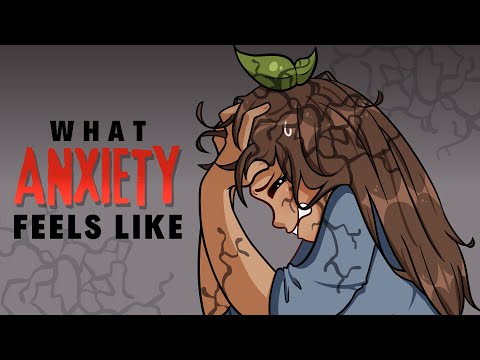
You know that feeling when your shoulders just, like, creep up to your ears? Yeah, that’s muscle tension talking. It’s kinda wild how our bodies react to stress, right?
Anxiety can be sneaky. It doesn’t always show up as racing thoughts or panic attacks. Sometimes it hides in tight muscles and those little aches you can’t explain.
Ever been so anxious that you felt like you could snap like a rubber band? Yep, that’s muscle tension doing its thing. Let’s unpack this together—what’s really going on when anxiety messes with your body?
Effective Strategies to Alleviate Muscle Tension Caused by Anxiety
Anxiety can be a sneaky little monster, creeping in and tightening your muscles without you even realizing it. One minute you’re just chilling, and the next? Bam! Your shoulders feel like they’re trying to take over the world. Seriously, muscle tension is one of those classic symptoms that just seems to show up uninvited.
So, what can you do about it? Well, there are several effective strategies that might help ease that tension. Let’s go through some:
1. Deep Breathing
This one’s a game changer. When you feel anxiety creeping up, try deep breathing exercises. Here’s how it works: inhale slowly through your nose for about four counts, hold for four counts, then exhale gently through your mouth for six counts. It looks simple but really helps calm your nervous system and relax those tight muscles. So if you’re ever stuck in a tense situation at work or even in a crowded space, give it a shot.
2. Progressive Muscle Relaxation (PMR)
Ever heard of this? It’s like giving each muscle group a mini workout of relaxation! You tense up each muscle group for about five seconds and then let go. Start from your feet and work your way up to your head. By the time you’re done with this technique, you may feel like jelly—super relaxed jelly! It helps because focusing on tensing and then relaxing tells your brain to chill out too.
3. Stretching
Honestly? Stretching feels amazing when you’re all knotted up from anxiety. Just reach for those toes or give yourself a nice side stretch—whatever feels good! Even just moving around can help release some pesky tension stuck in those tight spots.
4. Exercise
I get it; sometimes hitting the gym feels like the last thing you wanna do when anxiety is high, but hear me out: exercise releases endorphins, which are basically happiness hormones! Even going for a walk can be super effective. The movement encourages blood flow and lets those tense muscles loosen up.
5. Mindfulness or Meditation
Taking time to focus on the present can really make all the difference when anxiety starts messing with our bodies. Sit quietly for a few minutes each day and bring awareness to how you’re feeling physically. It really helps in recognizing where you’re holding tension and teaches you how to let it go.
6. Heat Therapy
Ever noticed how good a hot shower or heating pad feels when you’re tense? Heat therapy increases blood flow to sore muscles and can make them relax faster than an overcooked noodle! Just be careful not to burn yourself; we want relief—not more problems!
And look, everyone responds differently to these strategies—it’s kind of like finding your favorite pizza topping! What works wonders for one person might not do much for another.
So if you’re struggling with muscle tension caused by anxiety, try mixing things up till something clicks for ya—like experimenting with deep breathing one day and stretching another day. Remember, being kind to yourself during this process is key because it takes time to find what truly works best for you.
You got this!
Understanding Anxiety Muscle Tension: Symptoms, Feelings, and Relief Techniques
Anxiety can really mess with your body, right? One of the more sneaky symptoms is muscle tension. It’s like, when your mind gets all worked up, your body joins in and tightens up without you even noticing. You’re just sitting there, trying to focus or maybe chill out, and suddenly your shoulders feel like they’re made of concrete.
Muscle tension happens when your muscles contract and don’t fully relax. It’s kind of a physical manifestation of anxiety or stress. Maybe you’ve felt this before—like when you’ve got that nervous feeling in your stomach before a big meeting or exam? Your muscles might be tight without you even realizing it!
Here are some key symptoms and feelings tied to muscle tension from anxiety:
- Stiffness: Your neck and shoulders may feel stiff, almost like you’ve been sitting in the same awkward position for hours.
- Pain: Muscle pain can hit different areas, often in the back, jaw, or face. Seriously, ever tried to smile with tense jaw muscles? Ouch.
- Tightness: You might notice a tight sensation in various parts of your body. It’s like someone is giving you a not-so-friendly squeeze.
- Headaches: Tension headaches are pretty common. They can feel like someone is tightening a band around your head.
Feeling all this can create a vicious cycle. You’re anxious about something—maybe an upcoming event—and then the muscle tension kicks in. That leads to more anxiety because now you’re worried about how crummy you feel.
Let’s not forget about how this affects your daily life! It can make it tough to get restful sleep or even focus on what you’re doing at work or school. You know that sluggish feeling when everything feels heavy? Yeah, that could be linked to muscle tension from anxiety.
Now for the good part: relief techniques! Because trust me, you don’t have to just sit there feeling uncomfortable.
- Deep Breathing: Just take some time to breathe deeply—slowly inhale through your nose and exhale through your mouth. This helps send signals to those tense muscles telling them to chill out.
- Stretching: Simple stretches can really help relieve tension; think of rolling your neck or reaching towards the ceiling.
- Meditation: Finding a quiet spot and focusing on calming thoughts can work wonders for both mind and body.
- Physical Activity: Moving around—even just going for a brisk walk—can release endorphins that lift your mood and ease muscle tension.
So next time you notice those tight muscles creeping in with anxiety, try one (or more) of these techniques. Remember that managing anxiety takes practice but finding what works for you is super important! Take care of yourself—you deserve it!
Uncovering the Unusual: Exploring Strange Physical Symptoms of Anxiety You Didn’t Know About
Anxiety can be a sneaky little devil. You might think it only messes with your mind, but boy, does it also play tricks on your body. Seriously, some physical symptoms of anxiety are totally unexpected. Let’s break down some of these unusual signs that might have you scratching your head.
Muscle Tension is one of the classic symptoms. You might not even realize it’s happening until you find yourself rubbing your neck or shoulders after a long day. Stress tightens those muscles up like a rubber band. It’s not just about feeling tense; sometimes it can lead to headaches or even back pain. Have you ever been in a meeting, feeling the weight of the world on your shoulders? That tension can linger long after you’ve left.
Another surprising symptom is gastrointestinal issues. Ever felt that gut-wrenching feeling when you’re nervous? Well, anxiety can mess with your digestion too! You might experience diarrhea or feel nauseous—having to rush to the bathroom right before a big presentation isn’t fun at all. This happens because anxiety triggers your body’s fight-or-flight response, which affects digestion.
Then there’s heart palpitations. Your heart racing out of nowhere can be super alarming! You might feel like you’re about to run a marathon when you’ve just been sitting still. This happens because anxiety releases adrenaline, which revs up your heart rate. It’s totally normal to worry when this happens, but it’s usually harmless—still, it’s good to check with someone if it feels way off.
Trembling or shaking is another odd one that catches people off guard. Imagine you’re trying to hold a cup of coffee steady during an important chat and your hands just won’t cooperate! That shaky feeling comes from adrenaline again, getting pumped into your system as you face anxiety-provoking situations.
Don’t forget about sweating. Not the «just ran a mile» sweat but more like you’re sitting there and suddenly feel like you’re in a sauna. Anxiety triggers sweat glands too! This could lead to excessive sweating even when it seems unnecessary—you might find yourself changing shirts multiple times in one day!
Lastly, some folks experience dizziness or lightheadedness. You could be standing in line at the grocery store and then suddenly feel woozy as if the ground’s moving beneath you. It can happen because anxiety alters breathing patterns; rapid breaths decrease carbon dioxide levels in the blood and can lead to feelings of faintness.
So, if you’re dealing with any of these strange physical symptoms along with emotional stuff like worry and fear, know you’re not alone—it’s all connected! Understanding these unusual signs can help ease some stress and point out how much our minds and bodies communicate in times of anxiety. And hey, don’t hesitate to reach out for help if things get heavy—talking about what you’re feeling makes all the difference!
You know, muscle tension and anxiety kinda go hand in hand, like peanut butter and jelly. Seriously, when you’re feeling anxious, have you noticed your shoulders creeping up to your ears? Or maybe your neck feels like it’s made of stone? Yeah, that’s muscle tension talking.
Think about a time when you were really stressed. Maybe it was during finals or some big presentation at work. Your heart races, your palms get sweaty, and then there’s that tightness in your chest or those knots in your back. It’s wild how our minds can affect our bodies so much. Your brain goes into overdrive, thinking about all the “what ifs,” and before you know it—boom!—your muscles are on high alert too.
Muscle tension is basically your body’s way of saying, “Whoa there! Something’s not right!” It’s part of that whole fight-or-flight response we all have. When anxiety hits, it’s like your body is gearing up for battle—even if there’s no real danger lurking around the corner. This can be exhausting! You might find yourself feeling fatigued because those tense muscles need a break, but the anxiety just keeps feeding them more fuel to stay tight.
It’s also kind of a vicious cycle. The more tense you get physically, the more anxious you feel. Then the more anxious you feel, the tenser your muscles become. It’s like being stuck in a loop where every turn just keeps leading to the same place—feeling worn out and on edge.
There’s a lot of good stuff out there to help unwind those tight muscles though. Think deep breathing or even gentle stretching. Have you ever tried yoga? I mean seriously; it can feel like magic for releasing tension. Plus, just taking a moment to check in with yourself can make a world of difference.
So yeah, while muscle tension might seem like just another annoying symptom of anxiety, it really is an important signal from your body to slow down and take care of yourself. You’re not alone in this; we’ve all felt that weight sometimes!