Finding the right support can feel overwhelming, right?
If you’re navigating the ups and downs of marriage—especially within the Muslim community—sometimes you just need someone who gets it.
You know, a space where your faith is respected and understood. That’s where Muslim marriage counseling comes into play.
It’s more than just sitting on a couch talking things through. It’s about bridging that gap, healing wounds, and finding common ground with your partner.
Whether you’re struggling with communication or facing some bigger issues, mental health support can be a game-changer.
And the best part? There are resources near you that are ready to help!
Exploring Marriage Counseling in Muslim Communities: A Guide to Mental Health Support
Certainly! Marriage counseling is one of those things that can feel a bit daunting, especially within specific cultural contexts like Muslim communities. Let’s break it down, shall we?
**Marriage Counseling Basics**
First off, **marriage counseling** is basically a type of therapy aimed at helping couples resolve conflicts and improve their relationship. It’s not just for couples who are in crisis; many people seek it out to strengthen their bond or work through everyday challenges.
**Cultural Considerations**
For Muslim communities, there’s often a unique blend of cultural and religious factors influencing relationships. You know how, sometimes, expectations from family and community can weigh heavily on a couple? That’s real. **Counseling can offer a safe space** to navigate those pressures while respecting your values and beliefs.
**Finding the Right Counselor**
When looking for marriage counseling in your area, it’s crucial to find someone familiar with Islamic values. You want someone who understands the nuances of your faith—like the significance of family dynamics or the importance of mutual respect in marriage.
Here are some key points to consider when searching:
- Look for qualifications: Make sure they’re licensed professionals with experience in treating couples.
- Check for cultural competence: Find counselors who explicitly state they understand or have experience with Muslim customs.
- Ask about their approach: Some may use faith-based techniques or integrate spiritual principles into their practice.
**Common Issues Addressed**
In marriage counseling sessions within Muslim communities, common topics could include:
- Communication struggles: Learning how to express feelings openly without fear of judgment.
- Cultural pressures: Dealing with expectations from families regarding roles and responsibilities.
- Balancing faith and modern life: Navigating how both partners view religious practices and lifestyle choices.
**Anecdote Time!**
Think about Fatima and Ahmed. They loved each other but found themselves arguing constantly over family obligations versus personal time together. They decided to see a counselor who understood Muslim values. Over a few sessions, they learned how to communicate more effectively without stepping on each other’s toes—literally saving their marriage!
**The Role of Faith in Counseling**
In these sessions, faith might play a big part in healing processes. Some counselors incorporate Islamic teachings that emphasize forgiveness, compassion, and communication. This can be incredibly liberating and reassuring for couples looking to mend their ties while staying true to their beliefs.
**Support Networks Matter**
Lastly, support networks within the community are vital. You know how having friends or family around can make tough times seem a bit more manageable? Local mosques often have resources or can recommend counselors familiar with your needs.
So if you’re considering marriage counseling within Muslim communities—or if you’ve heard friends discussing it—know that it’s okay to seek help! It doesn’t mean something’s wrong; sometimes it just means you want what’s best for your relationship.
Exploring the Acceptance of Mental Therapy in Islam: A Guide to Mental Health and Faith
When it comes to mental health and faith, especially in Islam, there’s a lot to unpack. You might find yourself juggling traditions and modern approaches. It’s a pretty unique intersection, right?
First off, let’s talk about the importance of mental health in Islam. Mental well-being is considered essential to living a fulfilling life. The Quran encourages believers to seek help when they’re feeling down or stressed. You know how life brings challenges? Seeking guidance isn’t just okay; it’s part of your faith journey.
Now, Muslim marriage counseling can be super beneficial for couples facing tough times. It’s like a bridge between mental health support and religious values. You’re not just getting advice from any counselor; these professionals understand your faith and culture. They can blend therapy techniques with Islamic teachings, which is pretty cool when you think about it.
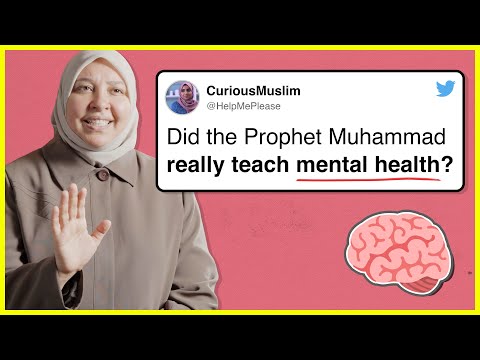
A common concern can be the stigma around seeking therapy in some communities. Some folks view it as a sign of weakness or think it contradicts their faith. But here’s the thing: seeking help is actually seen as an act of strength in Islam! Remember the Prophet Muhammad? He was all about asking for support when needed. So, reaching out for therapy aligns perfectly with Islamic principles.
In practice, counselors may incorporate Islamic teachings into their sessions. This could look like discussing how certain passages from the Quran relate to mental health issues, or how prayer can aid in healing emotional wounds. It’s this blend that makes Muslim marriage counseling resonate deeply with those who are seeking support.
Also, you might get a bit more comfortable with therapy when you see familiar faces. Look for counselors who share your background or have cultural competence dealing with issues specific to Muslim communities—like family dynamics and societal pressures.
But where do you start looking for this kind of help near you? Here are some ideas:
- Check local mosques or community centers—they often have resources.
- Online platforms dedicated to Muslim mental health services.
- Ask trusted friends or family for recommendations.
When you’re considering counseling options, make sure they respect your beliefs and customs while also offering legitimate psychological help. It’s like finding that sweet spot where both your heart and mind feel good about the process.
To wrap it up, embracing mental therapy within an Islamic framework can facilitate emotional healing while respecting faith traditions. Finding that balance could be life-changing—not just for individuals but also for marriages trying to navigate life together while staying true to their roots.
Navigating Mental Health: A Guide to Finding a Muslim Therapist
Finding a therapist who understands your background and beliefs can make a huge difference in your mental health journey. If you’re looking for a **Muslim therapist**, you’re probably seeking someone who gets your values, cultural references, and maybe some of the challenges you face. Let’s dig into how to navigate this process.
First off, it’s crucial to know where to start looking. You could try searching online directories. Websites like Psychology Today allow you to filter therapists by religion and specialty. That way, you can find someone who identifies as Muslim or specializes in working with Muslim clients.
Another option is community resources. Local mosques or Islamic centers often have connections with mental health professionals who are familiar with Islamic teachings and practices. **Reaching out** there might give you a good lead on therapists who understand your unique narrative.
Once you find potential therapists, it’s time for the interview—kind of like dating for therapy! When you contact them, ask about their experience working with Muslim clients. This isn’t just “our culture is different.” It’s about understanding how faith influences mental well-being. The right therapist will appreciate that context.
Here are some things to consider when interviewing a potential therapist:
- Faith Integration: How do they incorporate Islamic principles into therapy?
- Experience: What kind of experience do they have dealing with issues typical in Muslim communities?
- Cultural Sensitivity: Are they aware of cultural practices and challenges faced by Muslims today?
- Approach: Do they offer approaches like CBT or mindfulness that respect your values?
And hey, if something doesn’t feel right in that first meeting? Don’t be afraid to keep looking! Building trust is super important in therapy.
I remember talking to a friend who struggled to find someone who understood her perspective as a Muslim woman dealing with anxiety. She emphasized how refreshing it was when her therapist didn’t just nod along but actually incorporated conversations about faith into sessions. It helped her feel seen and understood, like she wasn’t navigating these struggles alone.
It’s also worth mentioning that sometimes Muslims may seek support for issues related to marriage or family dynamics too. In those cases, finding someone skilled in **Muslim marriage counseling** is also vital since those counselors often blend cultural norms with therapeutic strategies effectively.
Last but not least: don’t hesitate to ask for recommendations from friends or family! Word-of-mouth referrals can sometimes point you toward fantastic resources you might not find online.
Navigating finding a Muslim therapist doesn’t need to be overwhelming—just take it step by step and trust your instincts! Your mental health journey deserves the right support system tailored just for you.
You know, marriage can be tough. Like, seriously tough sometimes. And when you add the cultural and religious nuances of being Muslim into the mix? It can feel overwhelming. That’s where Muslim marriage counseling steps in to help couples navigate those choppy waters, and honestly, it’s a pretty valuable resource for mental health support.
I remember a friend of mine who was struggling with her marriage. She felt like she was balancing her own expectations along with the cultural norms imposed by her family and community. It was as if she was walking on eggshells! One day, she decided to reach out to a counselor who understood her faith and values—someone who could really relate. That made all the difference for her. They talked about everything from communication styles to family dynamics within their Islamic context. It was like they finally had a safe space to air out all those feelings that had been bottled up.
So, what makes Muslim marriage counseling unique? Well, it isn’t just about fixing conflicts or managing disagreements—though that’s definitely part of it. It’s also about providing an understanding environment that respects Islamic teachings while addressing mental health issues like anxiety or depression in a marital setting.
Look, finding this type of counseling near you might seem tricky at first, but there are plenty of resources available online and in local communities. Many organizations focus specifically on mental health within the Muslim community. They offer workshops and individual sessions too, which is great because everyone has different needs.
And let’s be real—it’s not just about getting advice from someone who knows the faith; it’s also about having a compassionate ear that gets your struggles without judgment. Because we all want to feel heard and supported, especially when things feel chaotic in our relationships.
The takeaway? If you’re feeling lost or overwhelmed in your marriage, don’t hesitate to seek out help tailored for your specific cultural background. Whether it’s through a local mosque or an online platform, there are counselors ready to walk with you through those complex emotions while keeping your values at heart! You’ve got this!